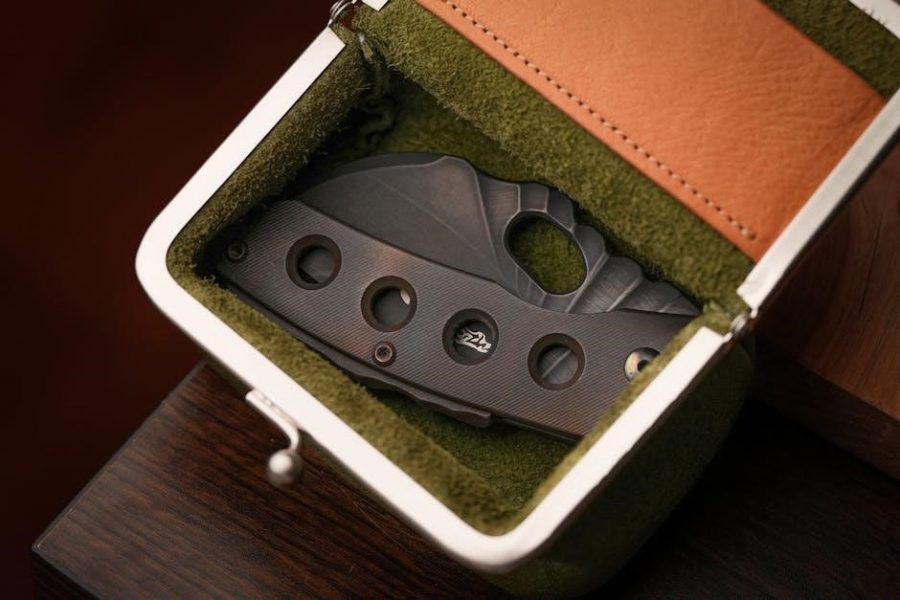
Manual OTF knives are cutting tools extending and retracting blades through the handle‚ differing from automatics; legality varies greatly by location and jurisdiction․
Understanding these knives requires acknowledging their unique mechanics and the legal complexities surrounding their ownership and carry‚ demanding responsible usage․
What is an OTF Knife?
OTF (Out-The-Front) knives are distinct cutting tools characterized by a blade that extends and retracts directly through the handle․ Unlike traditional folding knives‚ or even automatic knives with side-opening blades‚ the OTF mechanism operates linearly․
This is achieved through a sliding or button-activated system‚ manually operated in the case of manual OTF knives․ The blade doesn’t pivot; it travels in a straight line․ This design offers quick deployment and retraction‚ making them popular among knife enthusiasts․ However‚ it also contributes to the legal scrutiny they often face‚ as the mechanism resembles that of automatic knives․
Essentially‚ an OTF knife prioritizes speed and accessibility‚ offering a unique functionality within the broader knife world․
The Difference Between Automatic and Manual OTF
The core distinction between automatic and manual OTF knives lies in the deployment mechanism․ Automatic OTFs utilize a spring or gas-powered system activated by a button or switch‚ instantly extending the blade․
Manual OTFs‚ conversely‚ require the user to physically manipulate a slide or pull a lever to extend and retract the blade․ This manual action differentiates them legally in many jurisdictions․ While both share the “out-the-front” blade travel‚ the method of activation is key․
Manual OTFs offer greater control and often bypass restrictions placed on fully automatic knives‚ appealing to users seeking similar functionality with broader legal compliance․
Legality of Manual OTF Knives
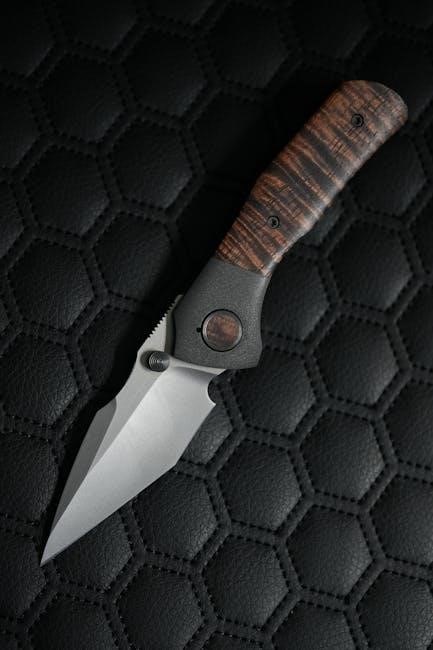
Manual OTF knife legality is complex‚ varying significantly by jurisdiction; some areas prohibit them‚ while others restrict blade length or carry rules․
Understanding Knife Laws by Jurisdiction
Navigating knife laws requires diligent research‚ as regulations differ dramatically between countries‚ states‚ and even cities․ OTF knives‚ specifically‚ often fall into legally sensitive categories‚ sometimes classified as automatic knives․
Some jurisdictions‚ like Germany and the United Kingdom‚ impose outright bans on OTF knives․ Conversely‚ the United States presents a patchwork of laws‚ with legality contingent upon state and local ordinances․
Understanding these nuances is crucial for responsible ownership․ Resources like the American Knife & Tool Institute (AKTI) provide detailed guides to help owners comply with applicable laws‚ avoiding potential legal repercussions․
Specific State Laws (USA) ⸺ A Brief Overview
US state laws regarding OTF knives are incredibly diverse․ Washington State (RCW 9․41․250) explicitly prohibits possessing‚ manufacturing‚ selling‚ or transferring spring-blade knives‚ encompassing many OTF designs;
Other states present varying degrees of restriction․ Some limit blade length‚ while others regulate carry methods or require permits․ The legality often hinges on whether the knife is considered an “automatic” or “assisted-opening” blade․
Due to this complexity‚ it’s vital to consult state-specific statutes and local ordinances before purchasing or carrying an OTF knife․ Resources like AKTI offer state-by-state guides for clarification․
International Regulations ⸺ Key Countries
OTF knife legality internationally is highly variable․ Germany and the United Kingdom represent strict prohibitions‚ generally banning their import‚ sale‚ and possession outright‚ classifying them as offensive weapons․
Across Asia‚ regulations differ significantly․ Some countries permit OTF knives with restrictions‚ while others maintain outright bans․ Detailed research is crucial before traveling with or purchasing an OTF knife abroad․
Navigating these laws requires diligence․ Understanding the specific regulations of each country is essential for legal compliance‚ avoiding potential penalties and confiscation of the knife․
Components of a Manual OTF Knife
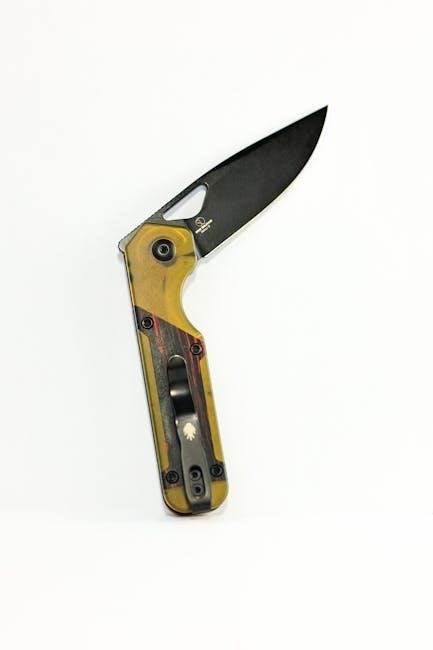
Manual OTF knives consist of a blade‚ handle‚ and firing mechanism; materials vary‚ impacting ergonomics and durability‚ crucial for safe and effective operation․
The Blade – Materials and Types
The blade of a manual OTF knife is a critical component‚ often crafted from high-quality stainless steel like D2‚ CPM-S30V‚ or even more exotic alloys for superior strength and edge retention․ Blade styles vary significantly‚ encompassing tanto‚ drop point‚ clip point‚ and spear point designs‚ each suited for different tasks․
Blade coatings‚ such as black oxide or titanium nitride‚ enhance corrosion resistance and provide a stealthy aesthetic․ The thickness and length of the blade directly influence its cutting performance and overall durability․ Selecting the appropriate blade material and type is paramount for ensuring the knife meets the user’s specific needs and intended applications․
The Handle – Materials and Ergonomics
Manual OTF knife handles are typically constructed from materials like aluminum alloy‚ G10‚ carbon fiber‚ or stainless steel‚ balancing durability with weight considerations; Ergonomics play a vital role‚ with textured surfaces and contoured shapes providing a secure and comfortable grip‚ even in challenging conditions․
Handle design influences control and reduces fatigue during extended use․ Some handles incorporate integrated pocket clips for convenient carry․ The handle’s length and diameter must complement the blade size for optimal balance and maneuverability․ A well-designed handle enhances both safety and functionality․
The Firing Mechanism – How it Works
Manual OTF knives utilize a spring-loaded mechanism activated by a slide or button‚ propelling the blade forward and retracting it into the handle․ Unlike automatic OTFs‚ manual versions require deliberate user action for each deployment and retraction cycle․
A locking mechanism secures the blade in both extended and retracted positions‚ preventing accidental deployment or closure․ The internal components‚ including springs and rails‚ must be precisely engineered for smooth‚ reliable operation․ Regular maintenance‚ including lubrication‚ is crucial for optimal performance and longevity of the firing system․

Operating a Manual OTF Knife
Manual OTF knife operation demands mastering safe deployment and retraction techniques‚ alongside understanding locking mechanisms‚ to ensure controlled blade movement and user safety․
Safe Deployment Techniques
Deploying a manual OTF knife requires a firm‚ controlled grip on the handle‚ ensuring a clear path for blade travel․ Always direct the blade away from your body and others during extension;
Utilize a smooth‚ deliberate motion when activating the firing mechanism – avoid abrupt or jerky movements that could lead to accidental slips or misdirection․
Before fully extending the blade‚ visually confirm the clear path and maintain focus on the deployment process․ Practice in a safe environment to build muscle memory and confidence‚ prioritizing safety above speed․
Never attempt to catch a falling blade‚ and always fully lock the blade into position before use․
Proper Retraction Methods
Retracting a manual OTF knife’s blade demands the same caution as deployment․ Maintain a firm grip and direct the blade’s path away from yourself and bystanders throughout the process․
Engage the retraction mechanism smoothly and deliberately‚ avoiding forceful or rapid movements․ Ensure your fingers are clear of the blade’s travel path to prevent accidental cuts․
Visually confirm the blade is fully retracted and securely locked within the handle before storing or handling the knife casually․ Never rely solely on feel; always verify visually․
Regularly inspect the retraction mechanism for any signs of wear or malfunction․
Locking Mechanisms and Safety Features
Manual OTF knives often incorporate locking mechanisms to prevent accidental deployment or retraction‚ enhancing user safety․ These can range from simple friction locks to more complex detent systems․
Understanding your knife’s specific locking mechanism is crucial for safe operation․ Regularly inspect the lock for wear or damage‚ ensuring it engages and disengages smoothly․
Some OTF knives feature safety switches or buttons that disable the firing mechanism‚ providing an extra layer of security during storage or transport․
Always prioritize knives with robust safety features and familiarize yourself with their proper use․
Maintenance and Care
Regular cleaning and lubrication are vital for a manual OTF knife’s longevity․ Sharpening maintains blade performance‚ while careful handling prevents damage and ensures smooth operation․
Cleaning Your OTF Knife
Consistent cleaning is paramount for maintaining a manual OTF knife’s functionality and preventing corrosion․ Begin by disassembling the knife as much as safely possible‚ consulting the manufacturer’s instructions if available․ Use a mild solvent‚ like mineral spirits‚ and a soft cloth to wipe down the blade and handle‚ removing dirt and debris․
Pay close attention to the firing mechanism‚ ensuring no buildup impedes its smooth operation․ Avoid abrasive cleaners that could scratch the finish․ After cleaning‚ thoroughly dry all components before reassembly․ Regular cleaning‚ even after minimal use‚ extends the knife’s lifespan and ensures reliable performance․
Lubrication Best Practices
Proper lubrication is crucial for the smooth operation of a manual OTF knife’s intricate mechanism․ Apply a high-quality knife oil‚ specifically designed for blades‚ sparingly to the blade track‚ firing bar‚ and any moving parts within the handle․ Avoid over-lubrication‚ as excess oil can attract dirt and grime․
Use a microfiber cloth to wipe away any excess oil after application․ Regular lubrication‚ every few weeks with frequent use‚ minimizes friction and prevents wear and tear․ Consider a silicone-based lubricant for colder climates‚ as it maintains viscosity in lower temperatures‚ ensuring consistent performance․
Sharpening Techniques for OTF Blades
Sharpening an OTF blade requires caution due to its unique deployment․ A honing steel maintains edge alignment between sharpenings‚ while a sharpening stone restores a dull blade․ Use a fine-grit stone (1000+) to avoid damaging the blade’s finish․ Always sharpen before fully retracting the blade for safety․
Employ light‚ consistent strokes‚ following the blade’s existing angle․ Avoid aggressive sharpening‚ which can weaken the blade․ Consider professional sharpening if you’re uncomfortable or lack experience․ Regular honing and occasional sharpening ensure optimal cutting performance and longevity․
Choosing the Right Manual OTF Knife
Selecting an OTF knife involves considering blade length‚ handle material for grip‚ and balancing budget with quality for a reliable and suitable tool․
Blade Length and Style Considerations
Blade length significantly impacts an OTF knife’s utility and legality; shorter blades (under 3․5 inches) are often more permissible‚ while longer ones offer greater reach and cutting power․
Style choices range from drop point blades‚ versatile for general tasks‚ to tanto blades‚ known for strength and piercing ability․ Consider the intended use – everyday carry‚ tactical applications‚ or collecting – when selecting a blade style․
Furthermore‚ blade material (stainless steel‚ carbon fiber) affects corrosion resistance and edge retention․ Always verify local laws regarding blade length restrictions before purchasing or carrying an OTF knife․
Handle Material and Grip
Handle materials greatly influence an OTF knife’s ergonomics‚ durability‚ and aesthetics․ Common options include aluminum‚ G10‚ carbon fiber‚ and steel‚ each offering distinct advantages․
Aluminum provides a lightweight yet robust feel‚ while G10 offers excellent grip and resistance to cracking․ Carbon fiber is prized for its strength-to-weight ratio and sleek appearance‚ and steel provides substantial durability․
Grip texture is crucial for secure handling‚ especially during deployment and retraction․ Consider textured grips or contoured designs to ensure a firm and comfortable hold‚ enhancing safety and control․
Budget and Quality – Finding the Balance
Selecting a manual OTF knife requires balancing budget with desired quality․ Lower-priced options may utilize less durable materials or simpler mechanisms‚ potentially impacting longevity and reliability․
Investing more often yields superior blade steel‚ tighter tolerances‚ and more robust construction․ However‚ high price doesn’t always guarantee satisfaction; research is vital․
Consider your intended use; a casual user may not need a premium knife‚ while frequent users benefit from enhanced durability․ Prioritize reputable brands and read reviews to find the best value․
Safety Precautions
Always practice safe handling‚ proper storage‚ and avoid common mistakes when using a manual OTF knife to prevent accidental deployment or injury․
Safe Handling Practices
Prioritize a firm grip and maintain constant control when deploying or retracting the blade of your manual OTF knife․ Never point the blade towards yourself or others‚ even during testing or familiarization․
Always ensure a clear and safe backstop when operating the knife‚ preventing unintended cuts or damage․ Be mindful of your surroundings and avoid using the knife in crowded or confined spaces․ Practice deliberate movements‚ avoiding quick or jerky actions that could lead to accidental activation․
Treat every OTF knife as if it were loaded and capable of immediate deployment‚ fostering a consistent safety mindset․ Regularly inspect the knife for any signs of damage or malfunction‚ addressing issues promptly to maintain safe operation․
Storage Recommendations
Store your manual OTF knife in a secure location‚ inaccessible to children and unauthorized individuals․ Utilize a dedicated knife case‚ sheath‚ or storage box to protect the blade and prevent accidental deployment․ Avoid storing the knife loose in drawers or bags where it could cause injury․
Ensure the knife is clean and dry before storage‚ preventing rust or corrosion․ Consider applying a light coat of oil to the blade for added protection․ Keep the firing mechanism free of debris and obstructions‚ ensuring smooth operation upon retrieval․
Regularly inspect the storage location for any signs of damage or compromise‚ maintaining a secure environment for your OTF knife․
Avoiding Common Mistakes
Never attempt to modify the firing mechanism of your manual OTF knife‚ as this can compromise safety and legality․ Avoid overextending or forcing the blade‚ potentially damaging the internal components․ Refrain from using excessive force during deployment or retraction‚ ensuring smooth operation․
Do not store the knife with the blade partially deployed‚ risking accidental activation․ Avoid exposing the knife to harsh chemicals or extreme temperatures‚ which can degrade materials․ Always prioritize safe handling practices‚ preventing injuries to yourself and others․
Regular maintenance and careful operation are key to avoiding costly repairs or accidents․
Troubleshooting Common Issues
Common problems with manual OTF knives include blade sticking‚ firing mechanism failure‚ and locking mechanism malfunctions; careful inspection and maintenance are crucial for resolution․
Blade Sticking
Blade sticking in a manual OTF knife is a frequent issue‚ often stemming from a lack of lubrication or the accumulation of dirt and debris within the mechanism․ Regular cleaning and applying appropriate knife lubricant can often resolve this․
Inspect the blade’s travel path for obstructions; carefully remove any buildup․ If the issue persists‚ disassemble (if comfortable and skilled) to thoroughly clean and re-lubricate internal components․ Avoid excessive force when deploying or retracting‚ as this can exacerbate the problem․
Ensure the blade is aligned correctly within the track; misalignment can cause friction and sticking․ Consistent maintenance prevents this frustrating issue‚ ensuring smooth operation․
Firing Mechanism Failure
Firing mechanism failure in a manual OTF knife typically involves issues with the slide or internal components responsible for blade deployment and retraction․ This can manifest as difficulty deploying‚ incomplete retraction‚ or a complete inability to operate the mechanism․
Often‚ this stems from wear and tear‚ broken springs‚ or accumulated debris hindering movement․ Careful disassembly (for experienced users only!) allows inspection and potential replacement of worn parts․
Lubrication is crucial‚ but avoid over-lubrication․ If repairs are beyond your skill level‚ professional knife repair services are recommended to prevent further damage and ensure safe operation․
Locking Mechanism Problems
Locking mechanism issues in manual OTF knives compromise safety‚ potentially leading to accidental deployment or retraction․ Common problems include a weak lock‚ a lock that doesn’t fully engage‚ or difficulty disengaging the lock before retraction․
These issues often arise from wear on locking components or misalignment caused by impacts․ Avoid forcing the lock; instead‚ carefully inspect for obstructions or damage․
Professional repair is advisable for complex locking mechanisms․ Never modify or bypass the locking system‚ as this drastically increases the risk of injury during use․
Resources for Further Information
AKTI provides detailed knife law guides‚ while online forums offer community support and discussions․ Legal resources clarify OTF regulations․
American Knife & Tool Institute (AKTI)
AKTI stands as the leading advocate for the rights of knife owners‚ offering invaluable resources for understanding the complex legal landscape surrounding knives‚ including manual OTF models․
Their website provides comprehensive state law guides‚ detailing restrictions and allowances regarding blade length‚ locking mechanisms‚ and carry regulations․ AKTI actively lobbies for fair and reasonable knife laws‚ working to repeal outdated or overly restrictive legislation․
For manual OTF knife enthusiasts‚ AKTI’s resources are essential for ensuring compliance and responsible ownership‚ promoting safe and legal knife use nationwide․ They offer updates on legal challenges and provide a voice for the knife community․
Online Forums and Communities
Online forums dedicated to knives offer a wealth of knowledge for manual OTF owners and enthusiasts‚ fostering a collaborative environment for sharing information and experiences․
These communities provide platforms to discuss specific models‚ troubleshooting tips‚ maintenance techniques‚ and legal interpretations․ Members often share reviews‚ modifications‚ and custom builds‚ expanding collective expertise․
Engaging in these forums allows users to connect with experienced owners‚ ask questions‚ and stay informed about the latest trends and legal updates concerning manual OTF knives‚ promoting responsible ownership․
Legal Guides and Resources
Legal guides‚ such as those offered by the American Knife & Tool Institute (AKTI)‚ are crucial for understanding the complex laws surrounding manual OTF knives․
These resources detail state-by-state regulations‚ clarifying restrictions on blade length‚ locking mechanisms‚ and carry permits․ Accessing accurate legal information is vital for responsible ownership․
Consulting official state statutes and legal professionals ensures compliance‚ avoiding potential penalties․ Staying updated on changing laws is essential‚ as regulations can vary significantly by jurisdiction‚ demanding diligent research․