Arborist study guides provide structured review for the ISA certification, covering tree physiology, pathology, pruning, and safety. They include practice questions, detailed explanations, and study plans to help candidates master core concepts and pass the exam confidently. Build confidence with these guides.

International Society of Arboriculture (ISA) Exam Overview
The International Society of Arboriculture (ISA) Certified Arborist Exam is the benchmark for professional tree care expertise. Candidates must demonstrate knowledge in tree biology, health, safety, and management through a multiple‑choice test. The exam is administered by ISA and is available in both English and Spanish. It consists of 100 questions, with a 2‑hour time limit. A passing score of 70% is required, and the exam is scored on a scaled basis to account for difficulty variations across test administrations. The exam also emphasizes safety protocols and environmental stewardship and ISA guidelines now!!!!
Preparation resources include the Mometrix Certified Arborist Exam Secrets Study Guide, which offers a comprehensive review and 200 practice questions. Mark Millerson’s 2024‑2025 Certified Arborist Study Guide provides updated content and detailed answer explanations. Derick Rorringson’s ISA Certified Arborist Study Guide 2024‑2025 adds 500 ISA‑style practice questions and a review of recent exam changes. These guides align with ISA’s official curriculum and help candidates build confidence.
Exam registration is handled through the ISA website, where applicants must submit proof of experience or education, pay a fee, and schedule a test date at an authorized testing center. The exam is offered year‑round, and candidates can retake it after a 30‑day waiting period if they do not pass on the first attempt. Maintaining certification requires 20 hours of continuing education every two years.
Prerequisites and Eligibility Requirements
To qualify for the ISA Certified Arborist Exam, candidates must meet specific prerequisites that reflect both practical experience and formal education. The ISA requires a minimum of 3,000 hours of tree‑care experience, documented in a detailed log that includes job titles, responsibilities, and dates. Candidates must hold at least a high‑school diploma or equivalent. A college degree in forestry, arboriculture, or a related field is not mandatory, but a 2‑year associate degree in arboriculture can satisfy part of the experience requirement if the curriculum covers core tree‑care topics. Apprenticeship programs are also accepted: a 3‑year apprenticeship must include 1,500 supervised hours and 200 classroom hours, and must be sponsored by a licensed arborist. All candidates must pass a background check and provide proof of liability insurance or a bond. Candidates must pay the ISA exam fee and schedule their test through the ISA website. The exam is offered year‑round, and candidates can retake it after a 30‑day waiting period, and each retake incurs the full fee. Continuing education can be earned through workshops, webinars, and industry conferences, and must be documented in the ISA Continuing Education Log. Maintaining certification requires 20 hours of continuing education every two years, ensuring that arborists stay current with industry best practices and evolving safety standards!!

Primary Study Resources and Textbooks
Arborist study guides are essential for exam preparation. Key resources include the ISA Certified Arborist Study Guide, Mometrix Exam Secrets, and Mark Millerson’s comprehensive manual. These texts cover tree physiology, pathology, pruning, safety protocols, and exam strategies. Use them for focused study and success.!
Certified Arborist Exam Secrets by Mometrix
Certified Arborist Exam Secrets is a concise review guide for the ISA Certified Arborist exam. It offers clear explanations of tree physiology, pathology, pruning, safety, and maintenance, along with detailed practice questions and full answer explanations. The guide includes a full-length practice test that mirrors the exam’s format and difficulty, helping candidates gauge readiness and pinpoint improvement areas. Chapters align with core subject areas, making focused study easy. With a user-friendly layout, color-coded highlights, and learning objectives, it serves both new and experienced arborists. The Mometrix Exam Secrets series is known for high-quality, up-to-date content and practical exam strategies. It is available on Amazon (ISBN 9781627339582) with free shipping on qualifying orders. The guide also provides a glossary, study schedule template, and tips for test day logistics. Real-world scenarios illustrate how theory applies to practice, and interactive tools and mnemonics boost retention. Its structured format helps learners track progress and adjust focus. Its proven success rate among test takers underscores effectiveness. This resource gives confidence and knowledge needed to succeed!.
Certified Arborist Study Guide 2024-2025 by Mark Millerson
Mark Millerson’s 2024‑2025 Arborist Study Guide is a comprehensive, all‑in‑one resource that blends concise theory with practical application for the ISA Certified Arborist exam. The book is organized into six core sections—Tree Physiology, Pathology, Pruning, Safety, Maintenance, and Professional Practice—each containing clear learning objectives, key concepts, and real‑world examples. A standout feature is the integrated practice exam, comprising 200 multiple‑choice questions that mirror the actual test’s difficulty and format. Every question is followed by an in‑depth answer explanation, highlighting the reasoning behind correct choices and common pitfalls. The guide also includes a “Quick‑Review” chapter that distills essential facts into flash‑card‑style summaries, ideal for last‑minute revision. Mark Millerson’s writing style is engaging and approachable, making complex topics accessible to both novices and seasoned professionals. The book’s layout is clean, with color‑coded headings and sidebars that emphasize critical points. Additionally, the guide offers a downloadable study schedule template and a checklist of exam prerequisites, ensuring candidates stay organized. Available on Amazon (ISBN 1088228012), it features free shipping on qualifying orders and a 30‑day money‑back guarantee. This guide is a proven tool for building confidence, mastering core content, and achieving a passing score on the ISA Certified Arborist exam. Readers often praise its clear organization, practical examples, and the balanced mix of theory and real‑world scenarios that mirror arborist challenges. !!
ISA Certified Arborist Study Guide 2024-2025 by Derick Rorringson
Derick Rorringson’s 2024‑2025 ISA Certified Arborist Study Guide is the definitive prep companion for the International Society of Arboriculture exam. The book is organized into five core modules—Tree Physiology, Pathology, Pruning, Safety, and Professional Practice—each featuring concise theory, illustrative diagrams, and real‑world case studies that align with the exam’s emphasis on applied knowledge. A key highlight is the 500‑question ISA practice test, which mirrors the exam’s format and difficulty level; every answer is accompanied by a detailed explanation that clarifies the rationale and common misconceptions. The guide also includes a “Quick‑Review” section with flash‑card‑style summaries, a downloadable study schedule template, and a checklist of eligibility requirements to keep candidates on track. Rorringson’s writing is clear and engaging, making complex concepts approachable for both novices and experienced arborists. The book’s layout is user‑friendly, with color‑coded headers, sidebars, and bullet points that emphasize critical facts. Available on Amazon (ISBN 1836022107), it offers free shipping on qualifying orders and a 30‑day money‑back guarantee. Many reviewers commend the guide’s balance of theory and practice, its up‑to‑date content reflecting the latest ISA standards, and its effectiveness in building confidence for the certification exam. Its comprehensive coverage, up‑to‑date references, user‑friendly format equip candidates to master exam concepts secure certification today for!
Exam Structure and Question Formats
The ISA Certified Arborist exam is a 200‑question, 3‑hour multiple‑choice test that evaluates a candidate’s mastery of tree science, practical skills, and professional ethics. Questions are divided into five domains—Tree Physiology, Plant Pathology, Pruning, Safety, and Professional Practice—each weighted to reflect the exam’s emphasis on applied knowledge. The test follows a strict time allotment: 3 hours, with no breaks, and a 10‑minute buffer for reading instructions. Candidates must answer all 200 questions; unanswered items are scored as incorrect. The exam employs a computer‑based format that presents questions in random order to minimize pattern recognition. Each item offers four answer choices, and the correct answer is always one of the four. The exam also includes a few “case‑study” questions that present a short scenario followed by several related items; these test the ability to apply concepts in realistic contexts. Scoring is based on a pass/fail threshold of 70% correct, but the exact cut score is determined by the ISA’s psychometric analysis and may vary slightly each year. The exam is administered at authorized testing centers worldwide, and candidates receive a detailed score report that indicates performance by domain, allowing them to identify strengths and gaps. The exam’s structure is designed to mirror the day‑to‑day responsibilities of a certified arborist, ensuring that successful candidates possess both theoretical knowledge and practical competence. By understanding the format, timing, and domain distribution, test‑takers can tailor their study plans to focus on high‑yield topics and practice under realistic conditions, thereby increasing their chances of passing on the first attempt and advancing their professional credentials. The test is administered via a secure online platform that requires candidates to log in with a unique credential. Each question is displayed for a maximum of 60 seconds, encouraging quick decision‑making. The platform records response times, which the ISA uses to refine future test forms. Candidates can review their answers immediately after the exam, but the official score is released only after a formal audit. The exam also includes a brief “ethical scenario” question that assesses knowledge of the ISA Code of Ethics. The overall design ensures that the exam is fair, reliable, and valid for measuring the competencies required of a professional arborist. Preparation resources often recommend timed practice sessions to simulate the 3‑hour window, as well as spaced repetition drills to reinforce retention. Many test‑takers find that focusing on the high‑frequency topics—such as tree anatomy, disease identification, and pruning safety—yields the greatest return on study effort. The ISA also publishes a detailed exam blueprint each year, which lists the number of questions per domain, allowing candidates to allocate study time proportionally.
Core Subject Areas Covered in the Exam
The exam focuses on Tree Physiology, Plant Pathology, Pruning, Safety, and Professional Practice. Candidates review anatomy, disease identification, pruning techniques, hazard mitigation, and ethical standards. Study guides provide targeted practice for each domain, ensuring comprehensive mastery. All topics!!!
Tree Physiology and Anatomy
Understanding tree physiology is essential for arborists. The study guide emphasizes the water‑transport system. It covers photosynthesis, carbohydrate allocation, and the role of cambium in secondary growth. Candidates learn about root‑to‑shoot signaling, seasonal dormancy, and the impact of environmental stressors such as drought, temperature extremes, and soil compaction on vascular health. And water balance now!!
Anatomical knowledge is equally critical. The guide details bark layers, cambial zones, and the formation of growth rings. It explains how to interpret ring patterns for age estimation and stress history. Students examine leaf morphology, stomatal distribution, and the structural differences between hardwoods and softwoods. The material also discusses the significance of lignin, cellulose, and hemicellulose in wood strength and durability.
Practical applications include assessing tree vigor, diagnosing structural defects, and planning pruning or removal. The guide provides diagrams of typical tree cross‑sections, highlighting common defects such as heartwood decay, butt rot, and fungal hyphal networks. It also outlines methods for measuring diameter at breast height (DBH), calculating basal area, and using the International Society of Arboriculture (ISA) tree health rating system.
By integrating physiology and anatomy, the study guide equips candidates to evaluate tree health, predict growth patterns, and make informed management decisions. Mastery of these concepts is a prerequisite for success on the ISA Certified Arborist exam.
Plant Pathology and Disease Management
Plant pathology focuses on identifying and controlling diseases that threaten tree health. The guide covers major fungal pathogens such as Armillaria, Phytophthora, and Diplodia, and bacterial agents like Xylella fastidiosa. It explains symptom recognition, diagnostic sampling, and laboratory test interpretation. The material also addresses viral infections and nematode infestations today.
Management strategies are presented in a stepwise framework: prevention, cultural practices, chemical control, and biological agents. Candidates learn about integrated pest management principles, including resistant cultivars, proper pruning to reduce inoculum, and sanitation measures to limit pathogen spread. The guide details fungicide application timing, dosage, and resistance management for success.
Case studies illustrate real‑world scenarios, such as oak wilt outbreaks, sudden oak death, and citrus canker. Each case includes a diagnostic flowchart, treatment options, and post‑treatment monitoring protocols. The guide also covers tree health assessments in early detection, using tools like the ISA Tree Health Rating System for accurate assessment.
Diagnostic tools such as polymerase chain reaction, enzyme‑linked immunosorbent assay, and visual field inspections are integral to accurate disease identification. The guide explains sample collection protocols, laboratory turnaround times, and interpreting results within the context of tree physiology and environmental conditions. It also emphasizes quarantine procedures to prevent spread across.
By mastering plant pathology concepts, arborists can accurately diagnose issues, implement effective control measures, and reduce long‑term damage. This knowledge is critical for maintaining urban canopy health and achieving certification success. Continuous learning and field experience reinforce expertise and ethical practice for future growth and innovation in tree care profession.
Pruning and Tree Care Techniques
Pruning balances aesthetics and tree health. The guide covers four pruning types: maintenance, corrective, emergency, and developmental. Timing, tool choice, and cut placement are critical to reduce stress and promote healing. Proper angles and deadwood removal prevent pathogen entry.
Tool mastery is key; Hand shears, loppers, pole saws, and chainsaws each have specific uses. Sharpening, safety gear, and correct blade angles ensure clean cuts and minimize bark damage. The “three‑cut” method is recommended for large limbs.
- Timing: Spring for growth, fall for disease prevention.
- Cut Placement: 45° angle, 1‑inch bevel, remove 25% canopy.
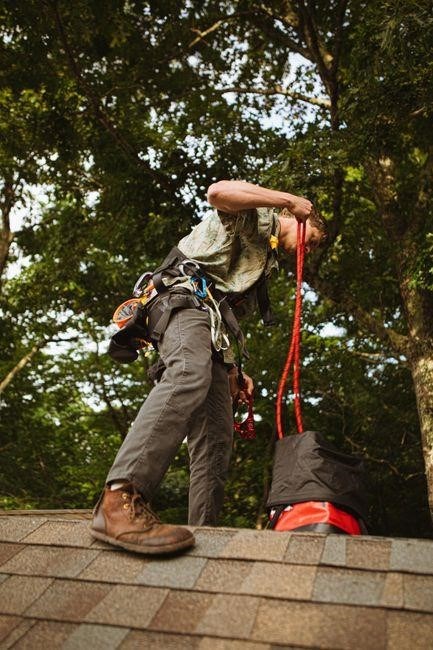
- Safety: PPE, fall protection, secure ladder.
- Tree Health: Post‑prune watering, mulch, monitor stress.
Emergency pruning handles storm damage and hazardous limbs. A decision tree evaluates limb weight, angle, and attachment. Case studies show risk assessment and temporary bracing for high‑risk scenarios.
Developmental pruning shapes young trees, establishes a central leader, and balances branching. The guide explains tree architecture, crown spread, and thinning to reduce wind load and maintain stability.
Throughout, the ISA Tree Care Rating System links pruning actions to measurable health indicators. Mastering these techniques extends tree life, enhances safety, and supports certification success.
Pruning decisions should also consider long‑term growth patterns, root‑to‑shoot ratios, and environmental stressors such as drought or soil compaction. By integrating site‑specific assessments with the ISA guidelines, arborists can tailor interventions that promote resilience and reduce future maintenance costs.
Additionally, documenting pruning history in a log assists in tracking tree health over time and informs the decisions.
Practice Tests and Sample Questions
Effective preparation hinges on repeated exposure to realistic exam scenarios. The ISA offers a series of full‑length practice exams that mirror the official test’s timing, difficulty, and question distribution. Each mock test includes 150 multiple‑choice items, divided into the same five subject blocks as the live exam, allowing candidates to gauge proficiency across all domains.
Sample questions are curated from past ISA exams and recent updates to the curriculum. They cover a spectrum of difficulty levels, from straightforward recall to complex application problems that require synthesis of tree‑care principles. By working through these examples, examinees learn to identify key terms, interpret diagrams, and apply the correct procedural steps.
Time management is a critical skill. The practice suite provides a stopwatch feature and a detailed score report that highlights the percentage of correct answers per block, average time per question, and areas needing improvement. This feedback loop helps students adjust study focus and pacing strategies.
Many study guides incorporate interactive online modules where questions are presented with instant feedback and explanatory notes. These modules emphasize the “why” behind each answer, reinforcing conceptual understanding rather than rote memorization.
To maximize retention, it is recommended to schedule at least three full‑length practice sessions in the weeks leading up to the exam. Between sessions, review incorrect answers, revisit relevant textbook chapters, and discuss challenging items with peers or mentors. This iterative process solidifies knowledge and builds confidence for the test day.
Supplementary resources such as mobile flashcard apps and downloadable question banks extend practice beyond the printed guide; These tools allow on‑the‑go review, making it easier to reinforce concepts during commutes or short breaks. Many apps feature spaced repetition algorithms that prioritize questions previously answered incorrectly, ensuring efficient learning.
Consistent practice transforms knowledge into mastery again!

Exam Preparation Strategies and Study Plans
Begin by mapping a 12‑week study calendar that dedicates 10–12 hours each week to learning. Start with a diagnostic quiz to identify strengths and weaknesses, then break the ISA syllabus into five core sections: tree physiology, pathology, pruning, safety, and business. Assign each section a week, alternating between textbook chapters, instructional videos, and field observations.
Adopt active learning methods: craft flashcards for essential terminology, rewrite summaries, and explain concepts to a peer. Use spaced repetition by reviewing flashcards every three days, boosting long‑term recall. Schedule a weekly recap to solidify material and tweak the plan as needed.
Blend theory with practice by shadowing a certified arborist, attending local workshops, and performing basic pruning tasks. Record observations in a study journal, linking real‑world scenarios to textbook principles. This experiential layer deepens understanding and builds exam confidence.
Incorporate mock exams as progress checkpoints. After completing each core section, take a timed practice test to gauge readiness. Analyze the results, pinpoint recurring mistakes, and revisit those topics. Keep a log of errors and corrective actions to monitor improvement over time.
Maintain physical and mental stamina by ensuring sleep, nutrition, and exercise. Take a 5‑minute break every 45 minutes during study sessions to prevent fatigue. Finally, review ISA exam policies, test‑day logistics,logistics,and gather all required identification and materials to guarantee a smooth exam experience and practice daily.
Exam Scheduling and Registration Process
To schedule the ISA Certified Arborist exam, candidates must first create an account on the ISA website and verify their email address. Once logged in, navigate to the “Exam Registration” tab and select the desired test center from the interactive map. Availability is shown in real‑time, allowing you to choose a date that fits your study timeline. After selecting a slot, you will be prompted to confirm your personal information, including name, address, and professional credentials. The registration fee is $200 for the exam and $50 for the optional study guide bundle; payment can be completed via credit card or PayPal. A confirmation email will be sent within 24 hours, containing a printable registration receipt and a unique exam code.
On the day of the exam, arrive at the test center at least 30 minutes early. Bring a government‑issued photo ID, the printed receipt, and a calculator (if permitted). The test center will provide a proctor and a secure testing environment. After the exam, you will receive a provisional score report within 10 business days. Final scores are posted on the ISA portal and are valid for 12 months. If you need to reschedule, you can do so up to 48 hours before the scheduled date, but a rescheduling fee of $25 will apply.
Schedule the exam at least 6 weeks early to allow for rescheduling. Verify test center availability on the ISA website and review any COVID‑19 protocols. Bring a copy of your receipt, a valid ID, and a calculator if required. Arrive early for security checks and review exam instructions before testing. Good luck! .