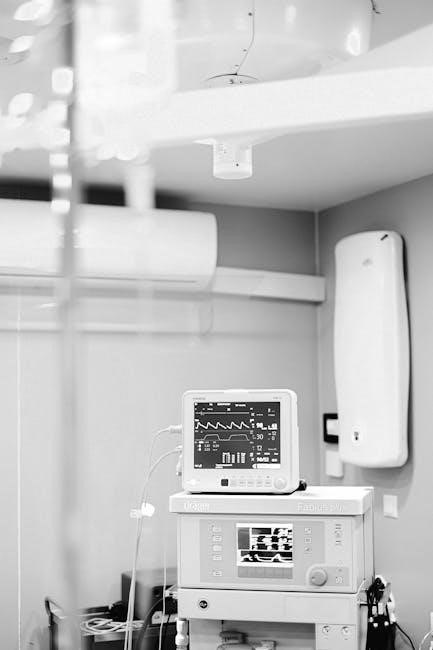
RhythmStar Heart Monitor User Manual: A Comprehensive Guide
Welcome! This manual details the RhythmStar-W mobile cardiac monitor, a device for up to 30 days of ECG and activity recording,
detecting arrhythmias like bradycardia and atrial fibrillation, and wireless data transmission.
The RhythmStar is a cutting-edge, portable cardiac monitor designed for extended, wireless ECG recording. This device empowers physicians with valuable data for diagnosing and managing heart conditions, offering a non-invasive method for monitoring cardiac activity over an extended period – up to 30 consecutive days.
Unlike traditional Holter monitors, the RhythmStar prioritizes patient comfort and convenience. Its lightweight, wearable design allows patients to maintain their daily routines with minimal disruption. The monitor continuously captures ECG data and activity levels, automatically detecting and storing significant cardiac events, including potentially dangerous arrhythmias such as bradycardia, tachycardia, and atrial fibrillation.
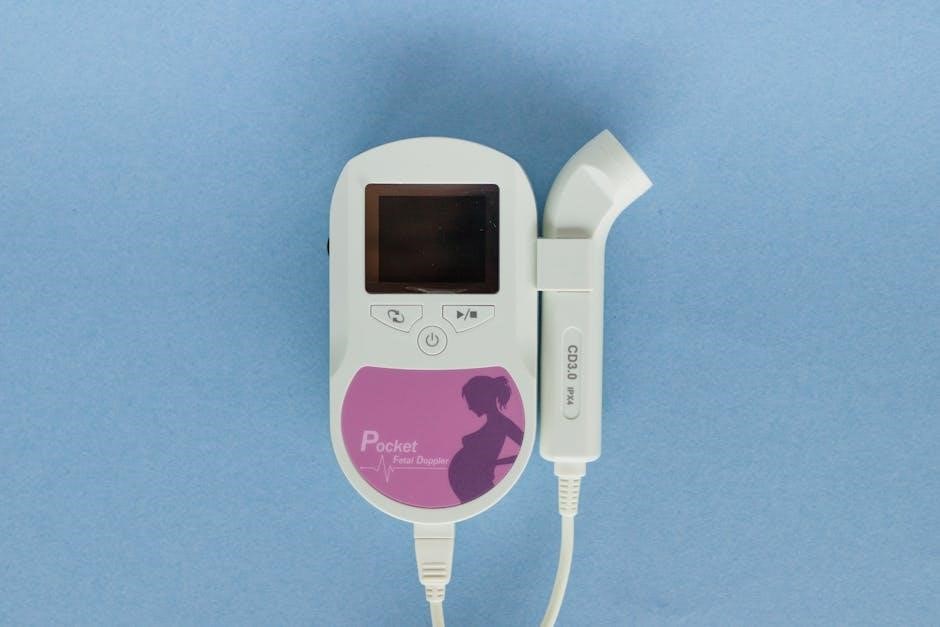
Furthermore, the RhythmStar enables patients to actively participate in their cardiac monitoring through event recording, allowing them to document symptoms as they occur. Data is securely transmitted wirelessly to a monitoring center for analysis by qualified professionals, ensuring timely and accurate assessments. This comprehensive approach provides a detailed picture of a patient’s heart health.
What is the RhythmStar Monitor Used For?
The RhythmStar monitor serves as a crucial diagnostic tool for evaluating various heart rhythm abnormalities. Primarily, it’s utilized to detect and analyze infrequent or intermittent arrhythmias that may not be captured during a brief in-office ECG. This includes conditions like bradycardia (slow heart rate), tachycardia (fast heart rate), and atrial fibrillation – an irregular and often rapid heart rhythm.
Physicians employ the RhythmStar to correlate patient-reported symptoms, such as palpitations, dizziness, or shortness of breath, with actual cardiac events. The device’s ability to record both ECG data and activity levels provides valuable context, helping to determine if symptoms are related to physical exertion or other factors.
Beyond diagnosis, the RhythmStar aids in assessing the effectiveness of cardiac medications and interventions. By monitoring heart rhythm over an extended period, healthcare providers can fine-tune treatment plans to optimize patient outcomes. It’s a powerful tool for proactive cardiac care and improved patient management.
Key Features of the RhythmStar-W Mobile Cardiac Monitor
The RhythmStar-W boasts several key features designed for patient comfort and accurate data collection. It’s a lightweight, portable device capable of continuous ECG recording for up to 30 days on a single charge. Wireless data transmission ensures convenient and timely reporting to the monitoring center, eliminating the need for manual data retrieval.
A significant feature is its ability to capture both automatically triggered and patient-activated events. The embedded arrhythmia detection algorithm identifies potential irregularities like bradycardia, tachycardia, and atrial fibrillation. Patients can also manually record events coinciding with symptoms, providing crucial contextual information.
Furthermore, the RhythmStar-W is water-resistant, allowing for continued monitoring during daily activities like showering. Its user-friendly design and simple operation promote patient compliance, leading to more comprehensive and reliable data for accurate diagnosis and treatment.
Understanding the Device Components
The RhythmStar-W monitor comprises several essential components working in unison. The main unit houses the ECG recording circuitry, arrhythmia detection algorithm, and wireless transmission module. It features a secure attachment mechanism for connecting the electrodes.
Electrodes are crucial for capturing the heart’s electrical activity; these typically adhere to the chest. A battery powers the device, providing up to 30 days of continuous monitoring. A patient event button allows manual recording of symptoms.
The device also includes a status indicator light, providing visual feedback on device operation and connectivity. A charging port facilitates battery recharging. The RhythmStar system, or compatible arrhythmia analysis software, receives and analyzes the transmitted data. Understanding these components is key to proper device operation and effective cardiac monitoring.
Electrode Placement Guide
Proper electrode placement is vital for accurate ECG recordings. Begin by cleaning and drying the skin where electrodes will be applied. Typically, electrodes are placed on the chest, following a specific lead configuration – often Lead II, which is FDA-cleared for use with non-traditional, wet electrode placement.
Ensure firm skin contact for each electrode; poor contact can lead to signal distortion. Avoid placing electrodes over bony prominences or muscle tissue. The RhythmStar system is designed for use with standard ECG electrodes.
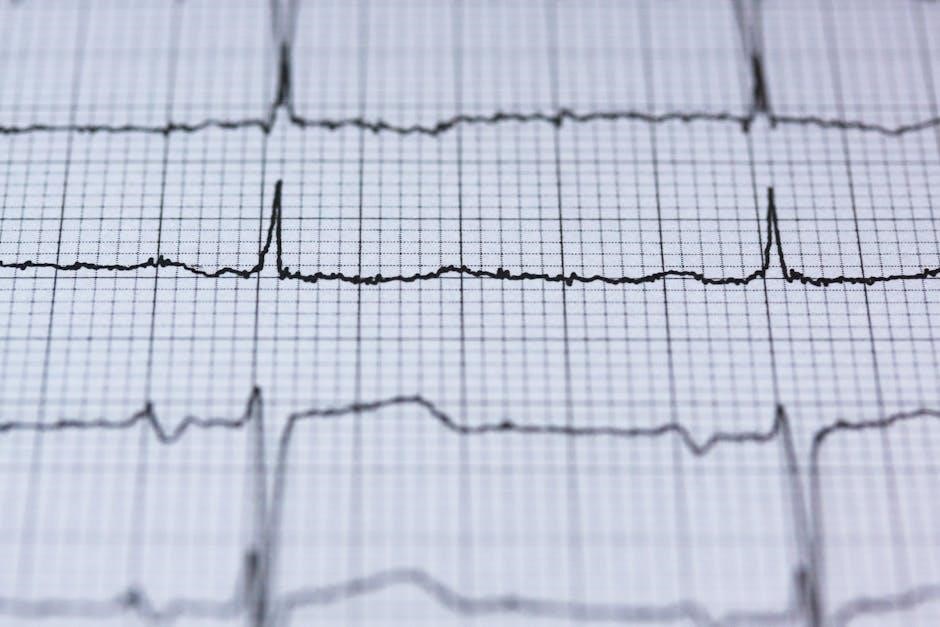
Refer to the detailed diagrams provided with your device for precise placement locations. If you experience skin irritation, gently reposition the electrodes. Consistent and correct placement ensures reliable data transmission to the monitoring center, enabling accurate arrhythmia analysis and a comprehensive assessment of your heart’s activity.
Initial Setup and Activation
Upon receiving your RhythmStar-W monitor, carefully unpack all components. Initial setup involves attaching the provided electrodes according to the Electrode Placement Guide. Ensure the device is adequately charged before activation – a full charge typically takes several hours.
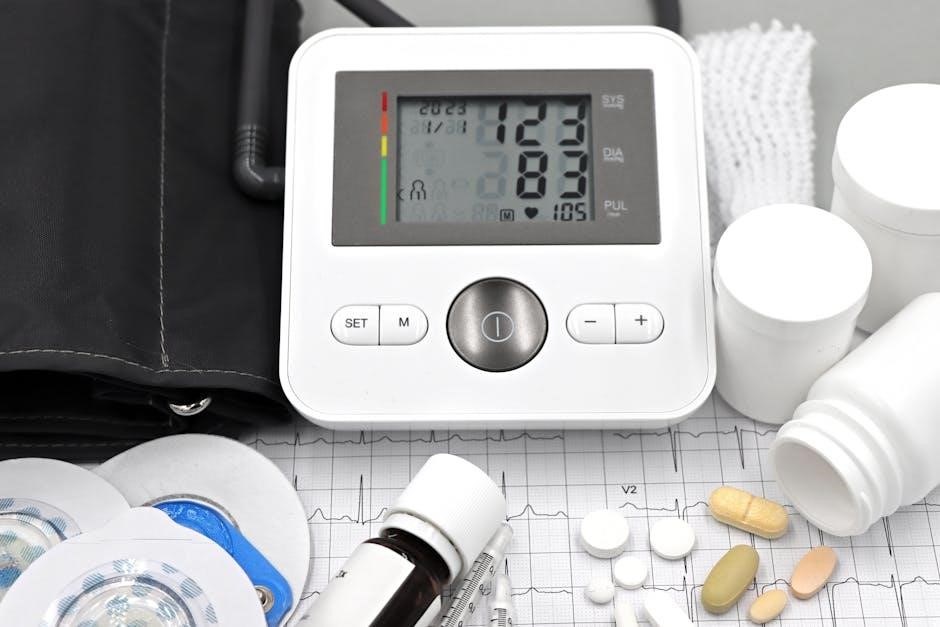
To activate the monitor, follow the on-screen prompts. You will likely be asked to enter personal information, such as your date of birth and medical history. The device will then begin recording your heart’s activity automatically.
Confirm successful activation by verifying the device’s display shows a stable ECG waveform and indicates proper connectivity. If you encounter any difficulties during setup, consult the Troubleshooting Common Issues section or contact customer support for assistance. Proper activation is crucial for reliable data collection and analysis.
Wearing the RhythmStar Monitor
For optimal performance, wear the RhythmStar monitor consistently, except during showering or bathing. Secure the device comfortably against your skin using the provided adhesive. Ensure the electrodes maintain firm contact throughout the monitoring period.
The RhythmStar is designed for discreet wear under clothing. Avoid placing the device directly over bony prominences or areas of excessive movement, as this may affect signal quality. It’s important to remember the device is water-resistant, not waterproof, so removal before full immersion is recommended.
Regularly check the electrode sites for any signs of irritation or detachment. If necessary, gently reapply the electrodes following the Electrode Placement Guide. Consistent and proper wear is vital for accurate data capture and effective cardiac monitoring.
Water Resistance and Precautions
The RhythmStar monitor is designed to be water-resistant, allowing you to continue your daily activities with relative freedom. However, it is not waterproof. Avoid complete submersion in water, such as during swimming, prolonged showering, or bathing.
While the device can withstand splashes and brief exposure to moisture, removing it before these activities is recommended to ensure optimal functionality and prevent potential damage. Do not use harsh soaps, detergents, or cleaning agents on the device.
If the device does become wet, gently wipe it dry with a soft cloth. Regularly inspect the device for any signs of water ingress. Avoid extreme temperatures and direct sunlight exposure, as these can affect battery life and device performance. Proper care will extend the lifespan of your RhythmStar monitor.
Charging the Device
To charge your RhythmStar monitor, connect the provided charging cable to the device and a compatible USB power adapter. A full charge typically takes several hours, though specific charging time may vary. It is recommended to charge the device for 20-30 minutes each day, or as needed, to ensure continuous monitoring.
During charging, the device’s indicator light will illuminate, signifying that power is being received. Once fully charged, the indicator light may change color or turn off. Avoid using damaged or non-approved charging cables, as these could potentially harm the device or pose a safety risk.
Do not attempt to disassemble or modify the charging components. Ensure the charging port is clean and free of debris before connecting the cable. Consistent charging practices will maintain optimal battery performance and uninterrupted data recording.
Understanding Recorded Data
The RhythmStar monitor continuously records your heart’s electrical activity (ECG) and activity level. This data is stored within the device and transmitted wirelessly to the monitoring center for analysis by qualified professionals. The recorded data includes detailed information about your heart rate, rhythm, and any detected arrhythmias, such as bradycardia, tachycardia, or atrial fibrillation.
The monitoring center utilizes specialized software to review the data, perform arrhythmia analysis, and generate reports for your physician. These reports provide valuable insights into your heart health and can aid in diagnosis and treatment decisions. Data can be used for retrospective review and signal measurements.
The RhythmStar system, or compatible arrhythmia analysis software, is FDA cleared for Lead II analysis using non-traditional wet electrode placement. Your physician will discuss the results with you and explain their significance.
Detected Arrhythmias: Bradycardia, Tachycardia, Atrial Fibrillation
The RhythmStar monitor is designed to automatically detect three common heart rhythm abnormalities: bradycardia, tachycardia, and atrial fibrillation. Bradycardia is a slow heart rate, typically below 60 beats per minute. Tachycardia indicates a fast heart rate, generally exceeding 100 beats per minute. Atrial fibrillation is an irregular and often rapid heart rhythm originating in the atria.
The device utilizes an embedded arrhythmia detection algorithm to identify these events. When an arrhythmia is detected, it’s recorded and flagged for review by the monitoring center. It’s important to note that the RhythmStar detects these arrhythmias; diagnosis requires confirmation by a qualified physician.
The monitor captures both auto-triggered and patient-activated cardiac events, providing a comprehensive record of your heart activity. This data assists your doctor in evaluating your condition and determining the appropriate course of action.
Patient-Activated Event Recording
The RhythmStar monitor allows you to actively participate in the monitoring process through event recording. If you experience symptoms like palpitations, dizziness, shortness of breath, or chest discomfort, you can manually trigger the device to record your heart rhythm at that specific moment.
To activate event recording, simply press the designated button on the RhythmStar device. The monitor will record a short segment of your ECG data, capturing the rhythm during your symptom episode. This is crucial information for your physician, as it correlates your symptoms with actual heart activity.
Record the time and details of your symptoms in a diary. This information, combined with the event recording, provides a more complete picture for accurate diagnosis and treatment. Remember to activate the event recorder during symptom occurrence for the most valuable data.
Transmitting Data to the Monitoring Center
The RhythmStar monitor automatically transmits recorded ECG data wirelessly to the monitoring center. This transmission occurs securely, ensuring your privacy is protected. The device utilizes cellular technology to send the data, similar to a mobile phone, so ensure adequate cellular coverage in your area.
Typically, data is transmitted automatically on a regular schedule, or when a significant event is detected. You do not need to actively initiate the transmission process. The monitoring center staff will then analyze the data and forward the results to your physician.
A successful transmission is usually indicated by a visual confirmation on the device’s display. If you suspect a transmission issue, contact technical support. Consistent data transmission is vital for accurate monitoring and timely medical intervention, allowing for prompt review of your heart activity.
Troubleshooting Common Issues
Device Not Transmitting: Ensure adequate cellular coverage. Restart the device. If the issue persists, contact support. Electrode Issues: If electrodes detach, carefully reapply them following the placement guide. Ensure skin is clean and dry before reapplication. Device Not Charging: Verify the charging cable is securely connected. Try a different power outlet.
Error Messages: Refer to the device’s display for specific error codes and consult the FAQ section or contact support. Unexpected Alarms: Note the time and circumstances of the alarm and inform your physician.
If you experience persistent issues, do not attempt to repair the device yourself. Contact RhythmStar support for assistance. Documenting the problem, including any error messages, will expedite the troubleshooting process. Always prioritize contacting your physician if you experience concerning symptoms.
Low Battery Indicators and Solutions
Low Battery Warning: The RhythmStar monitor provides both visual and audible alerts when the battery is running low. A flashing battery icon on the display indicates a need for charging. Expect approximately 20-30 minutes of charging time for optimal performance.
Charging Procedure: Connect the provided charging cable to the device and a compatible power source; Ensure a secure connection. The battery icon will indicate charging progress. Avoid using damaged charging cables.
Extending Battery Life: While the device is designed for up to 30 days of use, frequent data transmissions and event recordings can reduce battery life. Minimize unnecessary event activations. If anticipating a prolonged period without access to a charger, consider reducing transmission frequency (if adjustable) and limiting event recording.
Data Security and Privacy
Patient Data Protection: Rhythmedix prioritizes the security and privacy of your cardiac data. The RhythmStar monitor employs secure wireless transmission protocols to protect information during transfer to the monitoring center. Data is stored on secure servers with restricted access.
HIPAA Compliance: Rhythmedix adheres to all relevant HIPAA regulations regarding patient data privacy. Your health information is handled with the utmost confidentiality and is only accessible to authorized personnel involved in your care.
Data Usage: Recorded ECG data and activity levels are used solely for diagnostic purposes by your physician and the monitoring center. Data analysis focuses on arrhythmia detection and providing insights into your heart’s health. We do not share your personal health information with third parties without your explicit consent.
Frequently Asked Questions (FAQ)
Q: Can I shower or bathe with the RhythmStar monitor? A: Yes, the device is water-resistant, allowing showering and bathing. However, remove it for charging (20-30 minutes) and avoid prolonged submersion.
Q: How long does the battery last? A: The RhythmStar is designed for up to 30 days of continuous monitoring on a single charge, but this depends on usage and event recordings.
Q: What do the lights on the device mean? A: Refer to the ‘Low Battery Indicators and Solutions’ section for a detailed explanation of the LED status indicators.
Q: What if I experience discomfort while wearing the monitor? A: Contact your physician or technical support immediately. Do not adjust the electrodes yourself.
Q: How will I receive my results? A: Your physician will review the data and discuss the results with you during a follow-up appointment.
Contact Information for Support
For technical assistance or questions regarding your RhythmStar monitor, please utilize the following resources:
Rhythmedix Support: Our dedicated support team is available to assist you with any issues you may encounter. You can reach us via phone at 1-800-RHYTHMSTAR (1-800-749-8467) during business hours, Monday through Friday, 8:00 AM to 5:00 PM EST.
Online Resources: Visit our website at [Insert Website Address Here ー example: www.rhythmedix.com] for a comprehensive FAQ section, troubleshooting guides, and downloadable user manuals. You can also find helpful videos demonstrating proper electrode placement and device operation.
Monitoring Center: For urgent medical concerns or if you believe your device is malfunctioning, contact the 24/7 Monitoring Center immediately at [Insert Monitoring Center Phone Number Here]. Please have your device ID ready when calling.
Physician’s Office: Do not hesitate to contact your prescribing physician’s office with any clinical questions or concerns.
Important Safety Information
Please read and understand the following safety precautions before using the RhythmStar monitor:
This device is not a substitute for regular medical care. Always follow your physician’s instructions. Do not attempt to self-diagnose or treat any medical condition based on the data provided by this monitor. The RhythmStar is water-resistant, but avoid full submersion during showering or bathing. Remove the device before swimming or engaging in water sports.
If you experience skin irritation from the electrodes, discontinue use and contact your physician. Do not modify or disassemble the device. This could damage the monitor and void the warranty. Keep the device away from strong electromagnetic fields, such as those emitted by MRI machines.
Ensure the device is properly charged before use. Do not use a damaged charger or power adapter. If you experience any unexpected symptoms while wearing the monitor, contact your physician immediately.
Regulatory Information and Compliance
RhythmStar-W Mobile Cardiac Monitor adheres to stringent regulatory standards. This device is intended for use by qualified healthcare professionals and patients under medical supervision. It is designed for retrospective review, arrhythmia analysis, reporting, and signal measurements, utilizing FDA-cleared arrhythmia analysis software for Lead II analysis with non-traditional wet electrode placement.
The RhythmStar system complies with applicable electromagnetic compatibility (EMC) standards, ensuring minimal interference with other medical devices. It is manufactured under strict quality control guidelines to meet relevant safety and performance requirements. The device’s performance has been validated through rigorous testing and clinical evaluations.
Users should report any serious incidents involving the device to both the manufacturer and the relevant regulatory authorities. Refer to the complete regulatory documentation for detailed compliance information and specific device specifications. This information is available upon request from Rhythmedix.