Bernat Blanket yarn, known for its plush softness, requires careful washing to maintain its luxurious texture and prevent damage; proper care ensures lasting beauty.
Understanding the Yarn Composition
Bernat Blanket yarn is a chenille-style yarn, primarily composed of 100% polyester fibers. This synthetic composition contributes to its incredibly soft texture and substantial weight, making it ideal for cozy blankets and garments. However, polyester’s nature also dictates specific washing requirements. Unlike natural fibers like wool or cotton, polyester doesn’t readily absorb water, which impacts how it responds to washing and drying.
The yarn’s construction – a fluffy, twisted pile – is prone to matting and pilling if not handled gently. Understanding this fiber content is crucial because harsh detergents, high heat, and vigorous agitation can disrupt the delicate fibers, leading to shrinkage, loss of softness, and a generally diminished appearance. Therefore, a gentle approach is always recommended when cleaning this popular yarn.
Why Proper Washing is Crucial
Proper washing is paramount for Bernat Blanket yarn projects to preserve their softness, shape, and overall quality. Incorrect washing can lead to significant issues, including irreversible shrinkage, a matted or flattened texture, and the development of unsightly pilling. Given the yarn’s polyester composition, high heat is a primary enemy, potentially damaging the delicate fibers.
Furthermore, neglecting proper care can compromise the yarn’s aesthetic appeal, diminishing the luxurious feel that makes it so desirable. Maintaining the yarn’s integrity also extends the lifespan of your finished creations, ensuring they remain beautiful and functional for years to come. Gentle handling and adherence to recommended guidelines are therefore essential.
Machine Washing Bernat Blanket Yarn

Machine washing is convenient for Bernat Blanket yarn, but requires a gentle approach; use a delicate cycle and cool water for optimal results.
Recommended Wash Cycle
Selecting the right wash cycle is paramount when cleaning Bernat Blanket yarn items. A delicate or gentle cycle is universally recommended to minimize agitation and prevent fiber distortion. Avoid harsh or vigorous cycles, as these can lead to excessive shedding and pilling.
Many modern washing machines offer a “bulky” or “large load” cycle, which can also be suitable, provided the water temperature remains cool. The key is to prioritize a slow spin speed; high-speed spinning can stretch and damage the yarn’s structure. Remember the advice from Crochetville: the label suggests a 2-minute wash, so a short cycle is best.
Always consider placing the item inside a mesh laundry bag for added protection during the wash cycle, further reducing friction and potential damage.
Water Temperature Guidelines
Maintaining a cool water temperature is absolutely crucial when washing Bernat Blanket yarn. Cold water (around 30°C or 86°F) is the safest option, as hot water can cause significant shrinkage and distort the yarn’s shape. Warm water should be avoided entirely, as it can also contribute to fiber breakdown and color fading.
The yarn’s chenille-style construction is particularly susceptible to heat damage. Using cold water helps preserve the yarn’s softness and prevents the fibers from becoming matted or stiff.
Regardless of the wash cycle chosen, always double-check your washing machine’s temperature settings to ensure they are set to cold. This simple precaution will significantly extend the life and beauty of your Bernat Blanket yarn creations.
Washing Time – The 2-Minute Rule
Bernat Blanket yarn is remarkably easy to care for, but adhering to the “2-Minute Rule” is paramount. The yarn’s label explicitly recommends a maximum wash time of just two minutes. This incredibly short wash cycle minimizes agitation and prevents excessive wear and tear on the delicate fibers.
Prolonged washing can lead to pilling, stretching, and a loss of the yarn’s signature softness. Many modern washing machines have specific settings for delicate items or a timed wash option – utilize these features!
Setting a timer independently is also a good practice to ensure the wash cycle doesn’t exceed the recommended two minutes. Following this rule is key to preserving the quality of your handmade items.
Detergent Selection for Bernat Blanket Yarn
Choosing the right detergent is crucial when washing Bernat Blanket yarn to maintain its softness and prevent damage. Opt for a mild, liquid detergent specifically designed for delicates or baby clothes. Harsh chemicals, bleach, and fabric softeners should be strictly avoided, as they can break down the yarn’s fibers.
Powder detergents may not dissolve completely, leaving residue that can dull the yarn’s color and affect its texture. Using a small amount of detergent is sufficient; excessive suds can be difficult to rinse out completely.
Consider detergents labeled “free and clear” to minimize the risk of allergic reactions, especially for baby items.
Drying Bernat Blanket Yarn
Drying Bernat Blanket yarn requires gentle methods to prevent shrinkage and maintain its softness; machine or air drying are viable options.
Machine Drying Options
When machine drying Bernat Blanket yarn, selecting the appropriate settings is crucial for preserving its texture and shape. A low heat or no-heat tumble dry cycle is highly recommended to minimize the risk of shrinkage or fiber damage. Avoid high heat, as it can cause the yarn to melt or become stiff.
Consider using wool dryer balls to help fluff the yarn and reduce drying time. Regularly check the yarn’s dryness during the cycle to prevent over-drying. Removing it while slightly damp can help maintain its softness. Some users successfully machine dry, while others prefer air drying for ultimate safety. Always refer to the yarn label for specific guidance, as variations may exist.
Tumble Drying vs. Air Drying
Choosing between tumble drying and air drying Bernat Blanket yarn depends on your preference and risk tolerance. Tumble drying, on a low or no-heat setting, offers convenience but carries a slight risk of shrinkage or fiber distortion. Air drying is the gentlest method, preserving the yarn’s softness and shape completely.
However, air drying can take significantly longer, especially for larger projects. Laying the item flat on a clean, dry surface is best to prevent stretching. Ensure good air circulation. Many crafters successfully use a low-heat tumble dry, while others swear by air drying to maintain optimal yarn quality. Consider the project’s size and your available time when deciding.
Avoiding Shrinkage During Drying
Shrinkage is a common concern when washing Bernat Blanket yarn, but it can be minimized with careful drying techniques. The key is to avoid high heat, whether tumble drying or using a heated dryer rack. Always opt for low or no-heat settings during machine drying, and frequently check the item’s size.
If air drying, lay the project flat to prevent stretching, which can contribute to perceived shrinkage. Avoid direct sunlight, as it can fade colors and potentially affect the fibers. Gentle handling throughout the drying process is crucial. Remember, even with precautions, a slight change in size is possible, so consider making a gauge swatch first.
Hand Washing Bernat Blanket Yarn (Alternative Method)
For delicate items, hand washing Bernat Blanket yarn offers a gentle alternative; use cool water and a mild detergent for optimal results and fiber care.
Step-by-Step Hand Washing Instructions
Begin by filling a clean basin or tub with cool water. Add a small amount of gentle detergent formulated for delicates – avoid harsh chemicals or bleach. Submerge the Bernat Blanket yarn item and gently agitate the water to distribute the detergent evenly.
Avoid vigorous scrubbing or twisting, as this can damage the yarn fibers. Allow the item to soak for approximately 10-15 minutes, enabling the detergent to loosen any dirt or grime. Resist the urge to rub the fabric together, instead, gently squeeze the soapy water through the yarn.
Once soaking is complete, carefully drain the soapy water and refill the basin with clean, cool water. Repeat the gentle squeezing and rinsing process until all traces of detergent are removed. Ensure no soapy residue remains, as this can attract dirt and affect the yarn’s softness.
Gentle Handling Techniques
Bernat Blanket yarn is incredibly soft, but also delicate when wet; therefore, handling requires utmost care. Never pull or stretch the yarn, as this can cause irreversible distortion. When washing, support the item’s weight to prevent excessive strain on the fibers.
Avoid wringing the yarn to remove water; instead, gently press out excess moisture with your hands. Lay the item flat on a clean, dry towel and roll it up to absorb additional water. Repeat with fresh towels until most of the moisture is gone.
Reshape the item carefully while it’s still damp, ensuring it maintains its original form. Avoid hanging the yarn to dry, as the weight of the water can stretch it out of shape. Prioritize flat drying for optimal results and to preserve the yarn’s integrity.
Rinsing and Removing Soap Residue
Thorough rinsing is crucial after washing Bernat Blanket yarn to eliminate all traces of detergent. Residual soap can attract dirt, cause stiffness, and diminish the yarn’s signature softness. Rinse repeatedly with cool, clean water until no suds appear.
Gentle pressing, rather than vigorous agitation, aids in removing soap without damaging the fibers. Avoid twisting or wringing, which can distort the yarn’s structure. Ensure the water runs clear before proceeding to the drying stage.
A final rinse with a fabric softener (optional) can help restore some of the yarn’s inherent softness, but use sparingly to avoid buildup. Always check the softener’s compatibility with acrylic fibers beforehand.
Addressing Specific Concerns
Pet hair, pilling, and loss of softness are common concerns with Bernat Blanket yarn; gentle washing and proper drying techniques can mitigate these issues effectively.
Dealing with Pet Hair
Bernat Blanket yarn’s looped construction unfortunately attracts pet hair, but don’t despair! Before washing, vigorously shake the item outdoors or use a lint roller to remove as much loose hair as possible. During the wash cycle, consider adding a fabric softener – this can help loosen the fibers and release trapped hair.
A helpful trick is to toss in a dryer sheet with your detergent; it acts as a static cling reducer. After washing, thoroughly clean your washing machine’s lint trap. Even better, run an empty rinse cycle afterward to ensure all traces of pet hair are gone. Air drying can sometimes exacerbate the issue, so tumble drying on low with dryer sheets is often more effective at removing remaining hairs.
Preventing Pilling
Bernat Blanket yarn, while incredibly soft, can be prone to pilling with friction and repeated washing. To minimize this, avoid harsh detergents and fabric softeners, as these can weaken the fibers. Always wash items inside out to reduce surface abrasion during the wash cycle. Gentle handling is key – avoid excessive rubbing or twisting.
When machine drying, use the lowest heat setting possible or opt for air drying. High heat significantly contributes to pilling. If pilling does occur, a fabric shaver can carefully remove the pills, restoring the yarn’s smooth appearance. Regular, gentle care is the best defense against noticeable pilling and extends the life of your creations.
Restoring Softness After Washing
Bernat Blanket yarn can sometimes lose a bit of its initial plushness after washing, even with careful handling. To revive the softness, avoid harsh chemicals and consider adding a small amount of white vinegar to the rinse cycle – about ¼ cup per load – to help relax the fibers.
When drying, avoid over-drying, as this can make the yarn stiff. A brief tumble on low heat, followed by air drying, is ideal. Gently fluff the item while it’s still slightly damp to restore its loft. Avoid ironing, as heat can damage the acrylic fibers. Proper washing and drying techniques will help maintain the yarn’s signature softness.
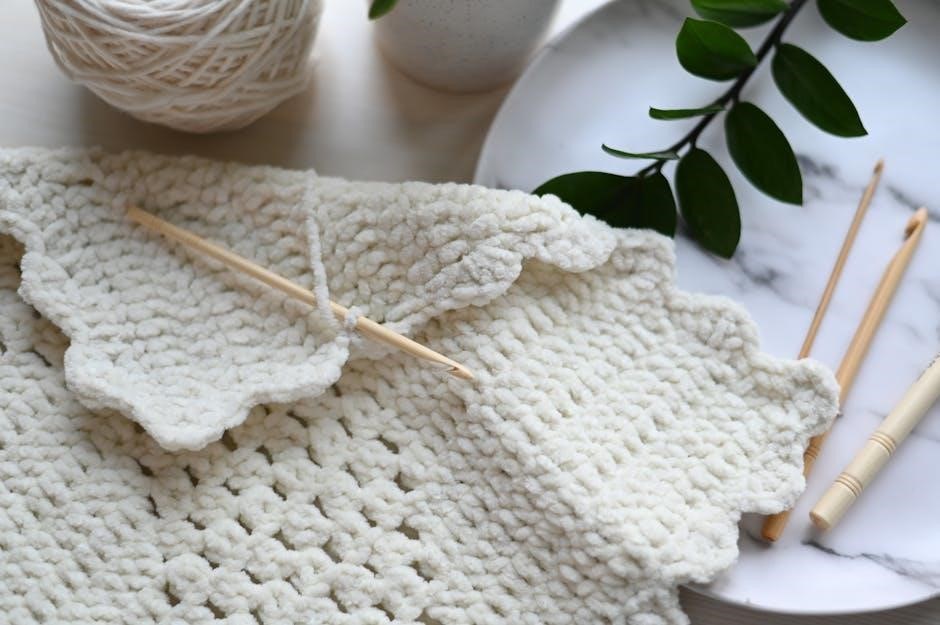
Bernat Blanket Yarn Skein Usage & Color Combinations
Project planning is key; a recent blanket used 6 skeins – 4 main, 2 accents – showcasing how color choices impact overall yarn requirements.
Estimating Skein Requirements
Accurately estimating the number of Bernat Blanket yarn skeins needed for your project is crucial, especially considering its weight and cost. A standard 300g/10.5oz skein contains approximately 201 meters/220 yards. However, requirements vary significantly based on project size, stitch pattern, and desired drape.
For a baby blanket, consider starting with 4-6 skeins, adjusting based on the chosen dimensions. Larger throws or blankets may necessitate 8-12 or even more. A recent Reddit user’s blanket utilized 6 skeins – 4 of the main color and 2 accent shades – providing a practical example. Always err on the side of caution and purchase an extra skein to avoid dye lot variations and ensure sufficient yarn for completion.
Popular Color Combination Ideas
Bernat Blanket yarn offers a vast palette, inspiring countless color combinations. For a calming nursery blanket, consider “Beach Babe” paired with soft grey or pastel lavender. A modern throw might feature charcoal grey accented with mustard yellow or teal. The Reddit example showcased a lovely combination utilizing a main color with two complementary accent shades.
Monochromatic schemes using varying shades of a single color create sophisticated looks. Don’t be afraid to experiment! Consider combining neutrals like cream and beige with a pop of color like plum chutney. Remember to check yarn availability and dye lots when planning your color scheme for a cohesive finish.
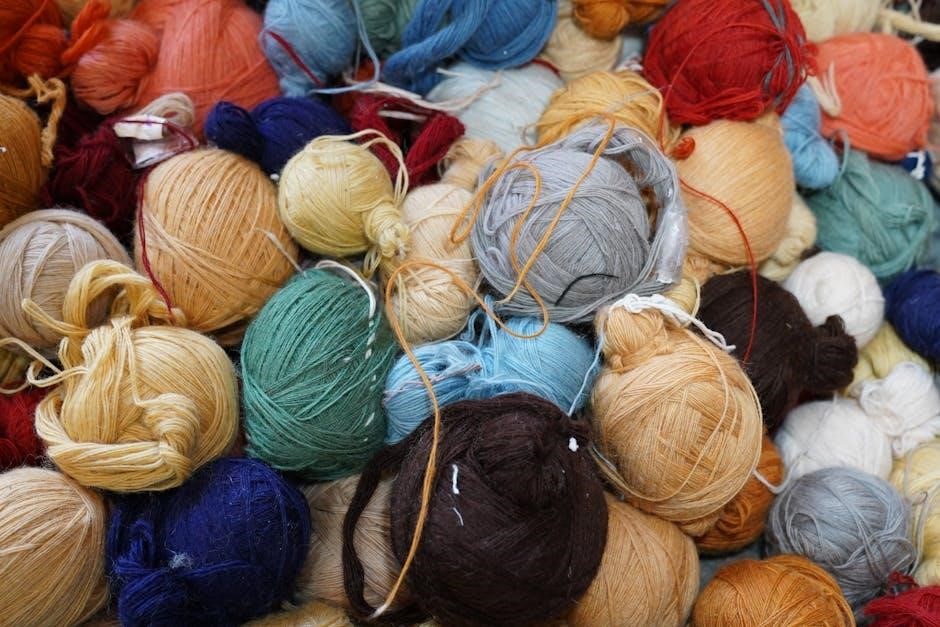
Bernat Softee Baby Yarn Washing Considerations
Bernat Softee Baby yarn shares washability with Blanket yarn, but the 2-minute wash cycle instruction requires attention and careful cycle selection.
Differences in Washing Instructions
Bernat Softee Baby and Bernat Blanket yarns, while both machine washable, present subtle differences in optimal care. The primary distinction lies in the emphasis on the incredibly short, 2-minute wash cycle specifically highlighted for Softee Baby yarn. This instruction, as noted in Crochetville discussions, often prompts questions about cycle selection.
Both yarns benefit from gentle handling, but Softee Baby, designed for delicate baby items, may warrant extra caution. While both can be tumble dried, lower heat settings are always recommended. Always check the yarn band for the most current and specific instructions, as formulations can sometimes change. Prioritizing gentle care will preserve the softness and integrity of both yarn types.
Specific Care for Baby Items
Bernat Softee Baby yarn is frequently chosen for baby blankets and garments, necessitating extra diligence in washing. Given a baby’s sensitive skin, thorough rinsing is paramount to remove all traces of detergent residue. Opt for a hypoallergenic, baby-friendly detergent, avoiding those with harsh chemicals or fragrances.
Always adhere to the 2-minute wash cycle recommendation, and consider hand washing for particularly delicate items. When machine drying, use the lowest heat setting or air dry flat to prevent shrinkage and maintain the yarn’s softness. Regular, gentle washing will ensure the item remains safe and cozy for the little one.
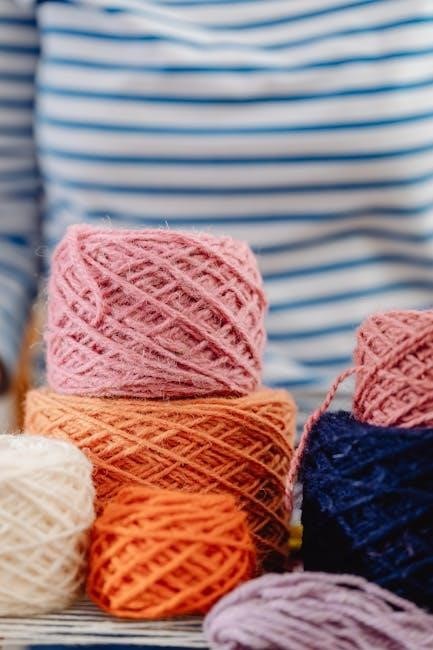
Bernat Blanket Tweed Yarn Care
Bernat Blanket Tweed requires machine washing and drying, but the tweed fibers necessitate a gentle cycle and cool temperatures for optimal care.
Unique Washing Considerations for Tweed
Bernat Blanket Tweed, with its charming flecks of color, demands a slightly more delicate approach to washing than the standard Bernat Blanket yarn. The tweed component, while adding visual appeal, can be more prone to subtle changes in texture if not handled correctly.
Always opt for a gentle or delicate cycle on your washing machine, utilizing cool water to minimize any potential for color bleeding or fiber distortion. Avoid harsh detergents or fabric softeners, as these can impact the yarn’s inherent softness and the integrity of the tweed fibers.
When drying, a low heat setting or air drying is highly recommended. Excessive heat can cause the tweed to become stiff or even felted. Careful washing preserves the unique character and cozy feel of your Bernat Blanket Tweed creations.
Resources and Further Information
Explore Yarnspirations for official guidelines and Crochetville forums offer valuable community insights regarding washing Bernat Blanket yarn effectively.
Yarnspirations Official Website
Yarnspirations, the official source for Bernat yarns, provides comprehensive care instructions directly on their product pages. Visiting their website (https://www.yarnspirations.com/) allows you to find specific washing guidance tailored to each Bernat Blanket yarn variety, including Blanket, Softee Baby, and Blanket Tweed.
You’ll discover detailed information regarding recommended wash cycles, water temperature, and drying methods. The site often features helpful videos demonstrating proper washing techniques. Furthermore, Yarnspirations offers downloadable patterns and project ideas, often including care instructions within the pattern itself. Always prioritize the care label information found on the yarn band, but the website serves as an excellent supplementary resource for ensuring your handmade items remain beautiful for years to come.
Crochetville Forum Discussions
Crochetville’s online forums (https://www.crochetville.org/) are a treasure trove of real-world experiences with washing Bernat Blanket yarn. Experienced crocheters frequently discuss their successes and challenges, offering practical advice beyond the yarn label.
Discussions reveal common questions about the “2-minute wash rule” and suitable machine cycles. Members share tips on preventing pilling, dealing with pet hair, and restoring softness after washing. You’ll find valuable insights into which detergents work best and how to avoid shrinkage. Searching the forums for “Bernat Blanket wash” will yield numerous threads filled with helpful tips and troubleshooting advice from a supportive community of crafters.