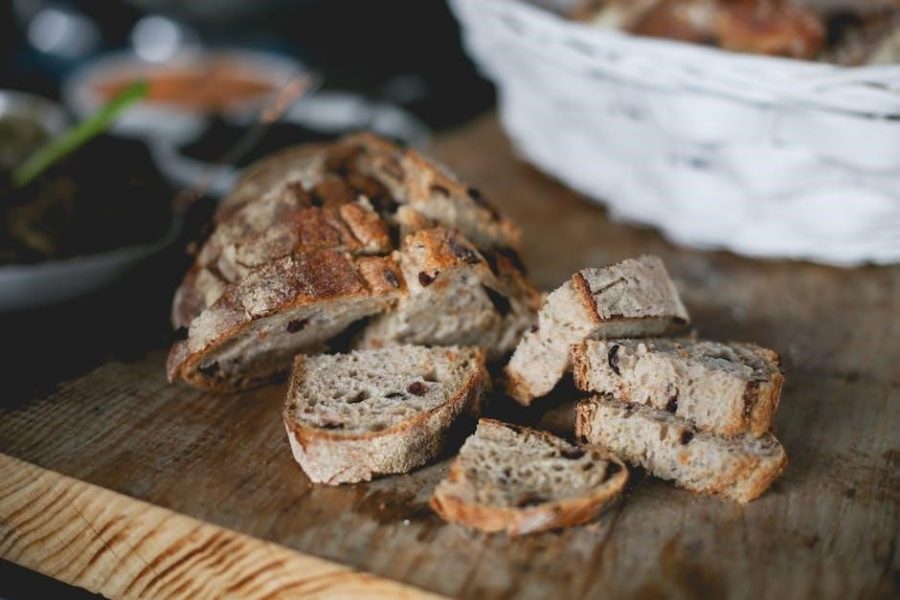
Homemade bread, a culinary delight, deserves perfectly portioned slices for optimal enjoyment; a bread slicer guide is essential. Achieving consistent, even slices elevates the entire experience, enhancing taste and presentation.
Whether you’re a seasoned baker or new to the craft, selecting the right tools and techniques is paramount for beautiful, uniform results with your loaves.
The Importance of Even Slices
Achieving even slices in homemade bread isn’t merely about aesthetics; it fundamentally impacts the overall eating experience. Uniformity ensures each bite delivers a consistent ratio of crust to crumb, maximizing flavor and texture enjoyment. Think about a sandwich – varying slice thicknesses lead to unbalanced fillings and structural instability!
Furthermore, even slices are crucial for toasting. Consistent thickness guarantees uniform browning, preventing some slices from being burnt while others remain pale and soft. This is especially important when preparing breakfast or enjoying a simple snack. A bread slicer guide emphasizes this point.
Beyond the practical benefits, even slices demonstrate care and attention to detail, elevating the presentation of your homemade bread. Whether serving to guests or simply enjoying it yourself, a neatly sliced loaf showcases your baking prowess and adds a touch of sophistication to any meal. It truly transforms a simple loaf into something special.
Challenges of Slicing Homemade Bread
Slicing homemade bread presents unique challenges compared to commercially produced loaves. The irregular shapes, varying densities, and often still-warm temperatures of homemade bread make achieving clean, even slices difficult. A standard knife can easily crush the delicate crumb structure, resulting in ragged edges and uneven thickness – a common frustration for home bakers.
The crust, while desirable for flavor, can also resist the knife, requiring excessive force that further compromises the loaf’s integrity. Furthermore, maintaining consistent slice thickness throughout the entire loaf demands significant skill and a steady hand. This is where a bread slicer guide becomes invaluable.
Without the right tools or technique, the process can be time-consuming, messy, and ultimately unsatisfying. Many bakers find themselves sacrificing precision for speed, leading to less-than-ideal results. Overcoming these hurdles is key to fully appreciating the fruits of your baking labor.
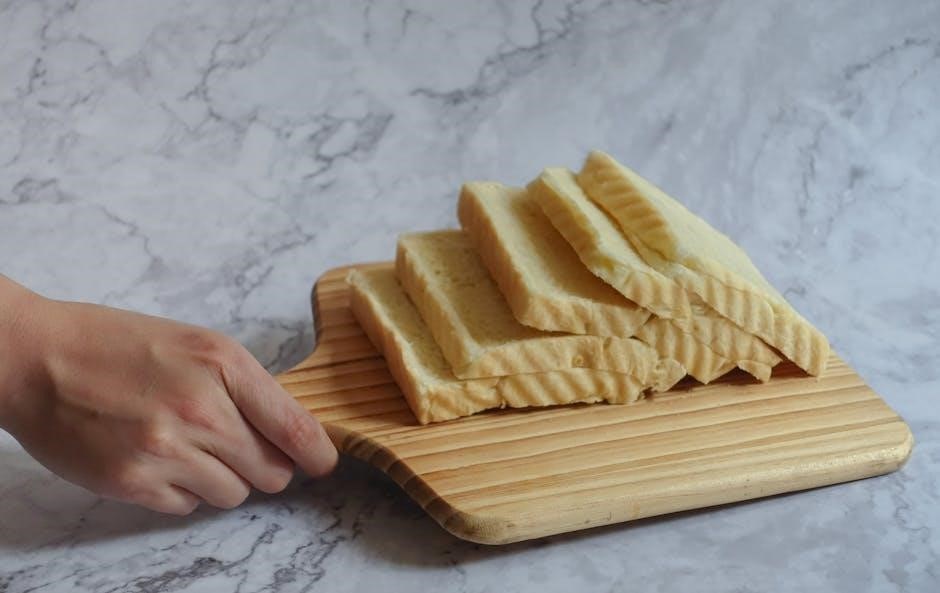
Types of Bread Slicers
Bread slicers fall into two main categories: manual and electric. Manual options offer precision and affordability, while electric slicers provide speed and consistent results for frequent bakers.
Manual Bread Slicers
Manual bread slicers represent a time-honored approach to achieving uniform slices, favored for their simplicity and control. These devices typically feature a slotted frame that securely holds the loaf while a blade descends to create even cuts.
The Zassenhaus Bread Slicer, a classic choice with over a century of history, stands out for its handsome aesthetics and reliable performance. It’s a durable option that adds a touch of vintage charm to any kitchen.
Alternatively, Bamboo Bread Slicing Guides offer a more affordable and space-saving solution. These guides, readily available online, help maintain consistent slice thickness without the need for a dedicated machine. They are easily stored when not in use, making them ideal for occasional bakers. A simple Amazon purchase can provide a great solution!
These manual methods are perfect for those who prioritize precision and enjoy the tactile experience of slicing their own bread.
Zassenhaus Bread Slicer: A Classic Choice
The Zassenhaus Bread Slicer embodies a legacy of quality, adorning kitchens for over 100 years. This manual slicer isn’t just a tool; it’s a statement piece, blending functionality with timeless design. Crafted with a sturdy frame, it securely accommodates various loaf sizes, ensuring stability during slicing.
Its adjustable slicing guide allows bakers to customize slice thickness, catering to individual preferences – from delicate sandwich bread to hearty rustic loaves. The stainless steel blade delivers clean, precise cuts with minimal effort, preserving the texture and integrity of the bread.
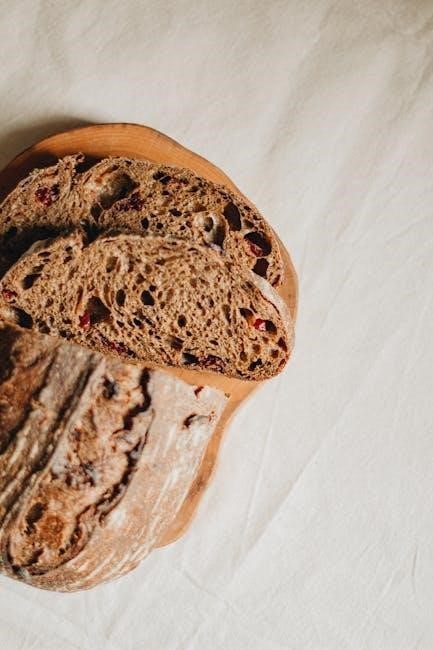
Beyond its performance, the Zassenhaus slicer is celebrated for its durability and ease of cleaning. It’s a long-lasting investment for serious home bakers who appreciate traditional craftsmanship and consistent results. It’s a beautiful and functional addition to any kitchen.
Bamboo Bread Slicing Guides
For home bakers seeking a simple, affordable solution, Bamboo Bread Slicing Guides offer an excellent entry point. These guides, readily available online, provide a framework for achieving consistent slices without the investment of a dedicated slicer. They are particularly well-suited for those who enjoy occasional baking and prioritize easy storage.
Typically constructed from sustainable bamboo, these guides feature slots to accommodate various loaf sizes. A serrated knife is then drawn through the slots, creating uniform slices. The bamboo material is gentle on knives, helping to preserve their sharpness.
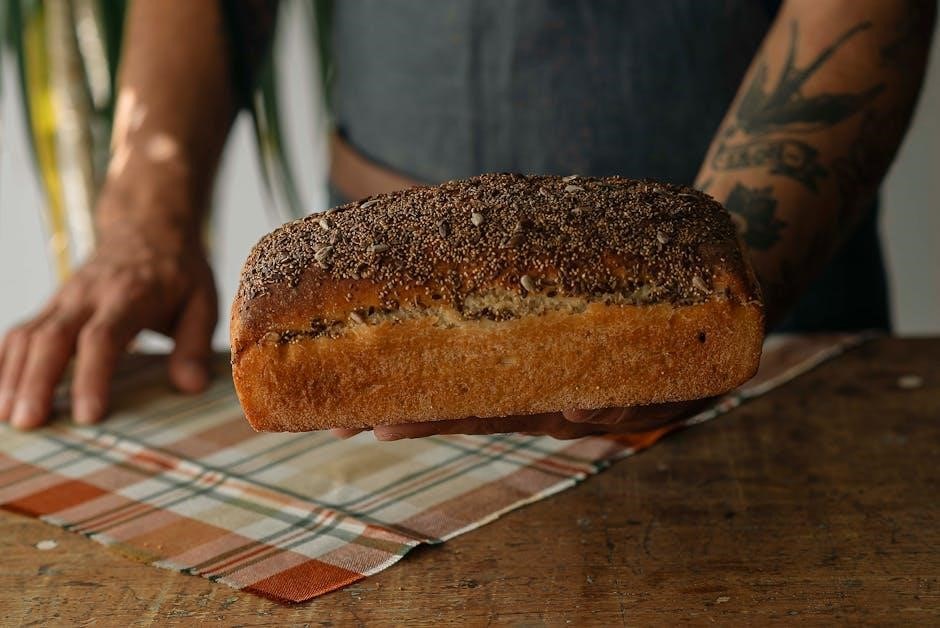
Their collapsible design allows for compact storage when not in use, making them ideal for smaller kitchens. While requiring a bit more manual effort than electric slicers, bamboo guides deliver satisfying results and represent a budget-friendly option for homemade bread enthusiasts.
Electric Bread Slicers
Electric bread slicers represent a significant upgrade for frequent bakers or those prioritizing speed and consistency. These appliances utilize a motorized blade to effortlessly slice through even the densest loaves, delivering uniform results with minimal effort. While a larger investment than manual options, they offer convenience and precision.
Models like the Luvele Razor Electric Meat Slicer (often repurposed for bread) and the Kitchen Seven Bamboo Bread Slicer are popular choices. The Luvele offers powerful slicing capabilities, while Kitchen Seven combines electric functionality with a stylish bamboo exterior and crumb tray for easy cleanup.
Electric slicers are particularly beneficial for individuals with limited hand strength or those who regularly bake large quantities of bread. They streamline the slicing process, saving time and ensuring professional-looking results every time.
Luvele Razor Electric Meat Slicer for Bread
The Luvele Razor Electric Meat Slicer, while marketed for meats, has gained a devoted following among home bakers for its exceptional bread slicing capabilities. This versatile appliance boasts a powerful motor and a remarkably sharp blade, effortlessly gliding through crusty sourdoughs and soft sandwich loaves alike.
Its adjustable thickness settings allow for precise control over slice dimensions, catering to individual preferences. Many users praise its ability to produce consistently uniform slices, a challenge often encountered with manual methods. The slicer’s robust construction ensures durability and long-term reliability.
Though initially designed for meat, its performance with bread is highly rated, making it a worthwhile investment for serious bakers. It’s considered “more” than just a bread slicer, offering multi-purpose functionality.
Kitchen Seven Bamboo Bread Slicer
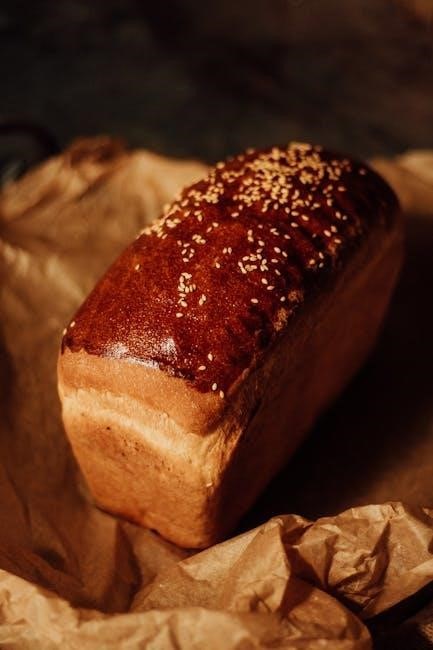
The Kitchen Seven Bamboo Bread Slicer presents an aesthetically pleasing and functional solution for achieving uniform bread slices. Crafted entirely from bamboo, this slicer offers a sustainable and visually appealing addition to any kitchen countertop. Its design incorporates a crumb tray, simplifying cleanup after slicing sessions.
The appliance features adjustable guides, allowing bakers to customize slice thickness according to their needs. The bamboo construction provides a stable base, ensuring safe and controlled slicing. Users appreciate its ease of assembly and disassembly, facilitating convenient storage when not in use.
This model is particularly well-suited for those seeking an eco-friendly and visually harmonious bread slicing option, blending seamlessly with natural kitchen décor.
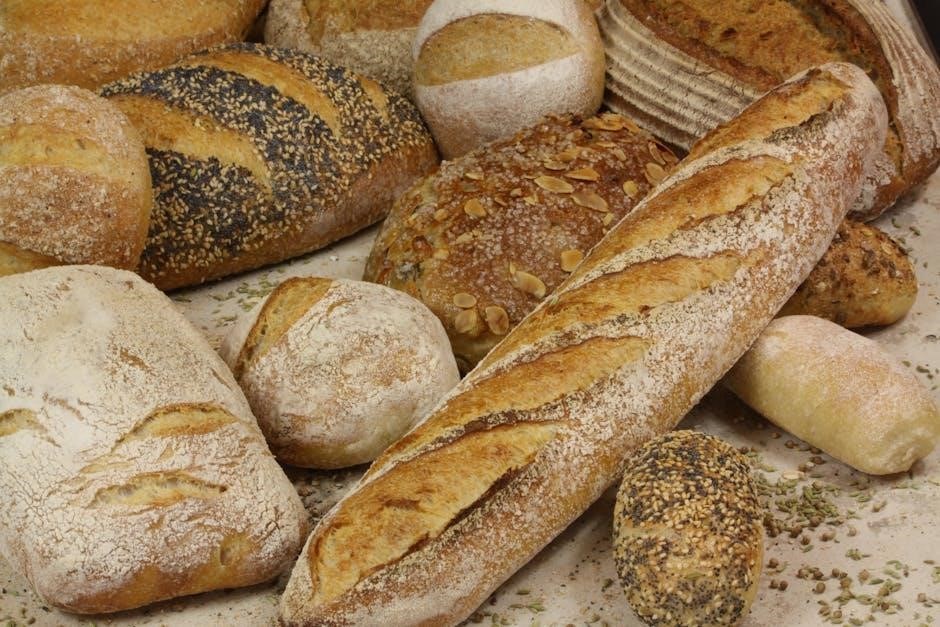
Choosing the Right Bread Knife
Selecting a bread knife is crucial for clean cuts; serrated blades excel at slicing through crusty exteriors and soft interiors, ensuring perfect slices every time.
Serrated vs. Non-Serrated Blades
When considering a bread knife, the debate between serrated and non-serrated blades is paramount. Serrated blades, characterized by their saw-like edge, are undeniably the champions for slicing homemade bread. Their unique design effortlessly pierces the crusty exterior while navigating the softer crumb within, delivering clean, even slices without crushing the delicate structure.
Non-serrated blades, typically found on chef’s or utility knives, struggle with this task. They tend to compress the bread, resulting in ragged edges and a less-than-ideal texture. While a very sharp non-serrated knife can work in a pinch, it requires significant pressure and skill, often leading to uneven results.
The Victorinox Swiss Army Wavy Edge Bread Knife and Chicago Cutlery Walnut Serrated Bread Knife exemplify the effectiveness of serration. For consistently beautiful slices of your homemade loaves, a serrated blade is the clear and recommended choice.
Blade Length Considerations
Selecting the appropriate blade length for your bread knife is crucial for both efficiency and control. A blade that’s too short requires excessive sawing motions, while one that’s too long can feel unwieldy and difficult to maneuver. Generally, a blade length between 8 and 10 inches strikes an excellent balance for most home bakers.
Larger loaves, such as boules or substantial sourdoughs, benefit from a longer blade – around 10-12 inches – allowing you to slice across the entire diameter in a single, smooth motion. Conversely, smaller loaves or rolls are perfectly suited to an 8-inch blade, offering greater precision.
The Tojiro Bread Slicer at 270mm (approximately 10.6 inches) and the Shun Classic Bread Knife demonstrate popular, effective lengths. Consider your typical loaf size and personal comfort when making your selection.
Top Bread Knife Recommendations
Choosing the right bread knife can significantly improve your slicing experience. Several models consistently receive high praise from bakers and culinary experts. The Tojiro Bread Slicer 270mm F-687 stands out as a top overall pick, lauded for its sharpness and value.
For those seeking a premium option, the Shun Classic Bread Knife delivers exceptional performance and aesthetic appeal. If budget is a concern, the Mercer Culinary Bread Knife provides reliable functionality at an affordable price point.
The Victorinox Swiss Army Wavy Edge Bread Knife is a dependable workhorse, while the Chicago Cutlery Walnut Serrated Bread Knife offers a classic design. Finally, the Opinel Bread Knife is praised for its comfortable grip and curved, full-tang serrated blade.
Tojiro Bread Slicer 270mm F-687
The Tojiro Bread Slicer 270mm F-687 consistently earns recognition as a premier choice for home bakers. Its exceptional sharpness stems from a high-carbon stainless steel blade, expertly crafted for effortlessly slicing through crusty loaves. The 270mm blade length provides ample room to maneuver, ensuring clean, complete cuts with each pass.
This knife’s design prioritizes both performance and durability, offering a balanced weight and comfortable grip. Many users appreciate its value, noting that it delivers professional-quality results without the hefty price tag of higher-end brands. It’s a reliable workhorse capable of handling various bread types, from sourdough to soft sandwich loaves.
Regular honing will maintain its edge, guaranteeing years of consistent slicing performance.
Shun Classic Bread Knife
The Shun Classic Bread Knife represents a significant investment for serious bread enthusiasts, offering a blend of artistry and functionality. Featuring Shun’s signature Damascus cladding, the blade boasts exceptional sharpness and edge retention, thanks to its VG-MAX steel core. This allows for incredibly clean cuts through even the most challenging crusts.
Its offset handle provides superior comfort and control, reducing fatigue during extended slicing sessions. The beautiful, layered Damascus pattern isn’t just aesthetic; it contributes to the blade’s lightness and flexibility. While pricier than many alternatives, the Shun Classic delivers a premium slicing experience.
Proper care, including hand washing and careful storage, will preserve its beauty and performance for years to come.
Mercer Culinary Bread Knife
The Mercer Culinary Bread Knife stands out as an excellent budget-friendly option without sacrificing performance. This knife delivers reliable slicing capabilities for everyday bread needs, making it a popular choice for home bakers. Its high-carbon stainless steel blade provides a good balance of sharpness and durability, effectively tackling crusty loaves.
The ergonomic handle offers a comfortable and secure grip, ensuring control during slicing. While it may not possess the aesthetic refinement of higher-end knives, its functional design prioritizes usability. It’s a workhorse knife, built to withstand frequent use and maintain its edge.
For bakers seeking a dependable and affordable bread knife, the Mercer Culinary model is a strong contender.
Victorinox Swiss Army Wavy Edge Bread Knife
The Victorinox Swiss Army Wavy Edge Bread Knife is a consistently recommended choice, celebrated for its exceptional value and reliable performance. This knife offers a fantastic balance of quality and affordability, making it accessible to a wide range of bakers. Its signature wavy blade effortlessly slices through crusty bread without crushing the soft interior.
The durable stainless steel construction ensures longevity, while the lightweight handle provides comfortable control. It’s a versatile tool, suitable for various bread types, from sourdough to sandwich loaves. Many users appreciate its ease of cleaning and maintenance.
For those seeking a dependable and budget-conscious bread knife, the Victorinox Swiss Army model is a highly practical and well-regarded option.
Chicago Cutlery Walnut Serrated Bread Knife
The Chicago Cutlery Walnut Serrated Bread Knife presents a classic design with a focus on functionality and durability. Featuring a 10-inch serrated blade, this knife is designed to tackle crusty loaves with ease, delivering clean and consistent slices. The walnut handle provides a comfortable and secure grip, enhancing control during use.
This knife is often praised for its ability to slice through bread without tearing or compressing the delicate crumb. Its robust construction ensures it can withstand frequent use in a home baking environment.
While offering a more traditional feel, the Chicago Cutlery knife remains a solid choice for bakers seeking a reliable and well-balanced bread slicing solution.
Opinel Bread Knife: Comfort and Functionality
The Opinel Bread Knife distinguishes itself through a unique blend of comfort, functionality, and affordability. Its large, comfortable handle provides an exceptionally secure and ergonomic grip, making slicing even large loaves a breeze. The curved, full-tang serrated blade effortlessly navigates crusty exteriors while preserving the soft interior.
Reviewers consistently highlight the knife’s ease of use and the confidence instilled by its robust construction. The handle’s design minimizes hand fatigue, even during extended slicing sessions. It’s a particularly appealing option for bakers who prioritize a comfortable and controlled cutting experience.
This knife offers a compelling combination of quality and value, making it a standout choice for both novice and experienced bakers.
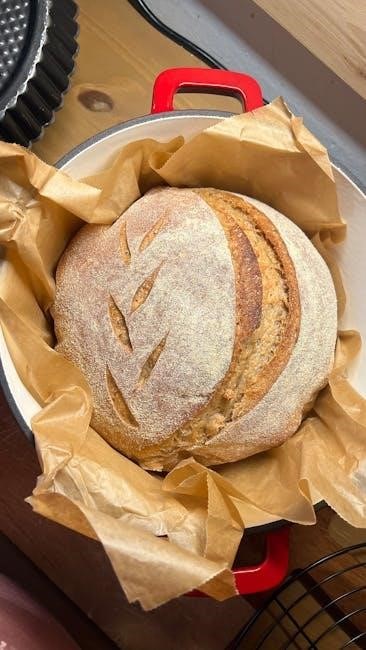
Slicing Techniques for Homemade Bread
Proper technique is vital for beautiful slices! Always allow bread to cool completely before slicing; warm bread compresses easily. Use a gentle sawing motion with your knife for clean cuts.
Cooling Bread Before Slicing
Allowing your homemade bread to cool completely before attempting to slice it is arguably the most crucial step for achieving clean, even results. Freshly baked bread possesses a delicate internal structure, full of moisture and steam. Cutting into it while still warm causes significant compression, leading to gummy, uneven slices and a generally messy experience.
The internal starches haven’t fully set, and the crumb will cling to the knife, tearing the loaf. Ideally, let the bread cool on a wire rack for at least one to two hours, or even longer for larger loaves. This allows excess moisture to escape, firming up the crumb and creating a more stable structure.
Patience is key! Resist the temptation to slice into that warm, fragrant loaf immediately. A properly cooled loaf will yield to the knife with ease, producing the beautiful, uniform slices you desire, making the entire slicing process significantly easier and more satisfying.
Proper Knife Handling for Clean Cuts
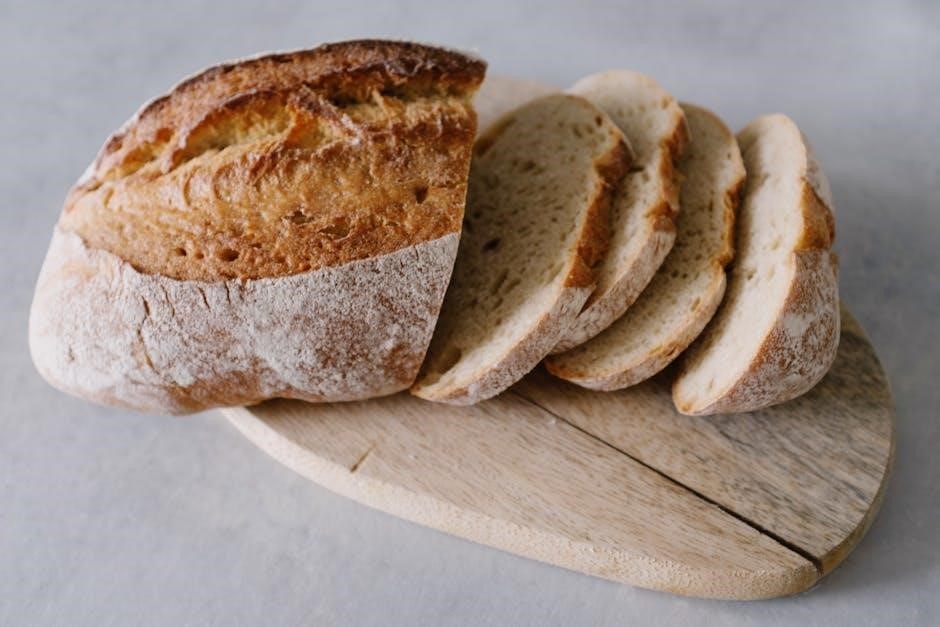
Mastering proper knife handling is essential for slicing homemade bread with precision and ease. A gentle sawing motion, rather than forceful pressing, is the key to avoiding a crushed loaf. Maintain a consistent angle throughout the slice, utilizing the full length of the serrated blade.
Avoid short, choppy strokes; instead, focus on a smooth, fluid movement. Let the serrations do the work, guiding the knife through the crust and crumb. Applying even pressure ensures a consistent slice thickness. Keep your non-dominant hand safely positioned away from the blade, using it to gently stabilize the loaf if needed.
Remember, a sharp knife is a safe knife! A dull blade requires more force, increasing the risk of slipping. Practice makes perfect – with the right technique, you’ll be slicing like a pro in no time.
Achieving Consistent Slice Thickness
Consistent slice thickness is the hallmark of a beautifully presented loaf, enhancing both aesthetics and eating enjoyment. Utilizing a bread slicing guide, like those made of bamboo, provides a visual and physical aid for uniform cuts. If slicing freehand, focus on maintaining a steady hand and consistent blade angle.
Marking the loaf lightly with a knife before slicing can serve as a guide for subsequent cuts. Visualize the desired thickness and aim for that measurement with each stroke. Electric bread slicers offer pre-set thickness adjustments, simplifying this process considerably.
Practice and patience are key; slight variations are inevitable, but with focused effort, you can achieve remarkably consistent results. Remember, even slices ensure even toasting and sandwich building!
Maintaining Your Bread Slicer
Proper maintenance ensures longevity and optimal performance of your slicer. Regular cleaning, sharpening blades, and careful storage are crucial for continued, effortless slicing success.
Cleaning and Care for Manual Slicers
Manual bread slicers, particularly those crafted from bamboo like the Kitchen Seven model, require gentle cleaning to preserve their quality. After each use, carefully remove any breadcrumbs from the slicing slots and the crumb tray – if equipped – to prevent mold growth and maintain hygiene.
Avoid immersing the wooden components in water; instead, use a slightly damp cloth to wipe down the surfaces. For stubborn residue, a mild soap solution can be applied sparingly, followed by thorough drying. The blade itself should be carefully wiped clean, ensuring it’s completely dry before reassembling the slicer.
Periodically, you might consider applying a food-safe wood conditioner to the bamboo frame to prevent cracking and maintain its aesthetic appeal. Proper drying after cleaning is paramount to prevent warping or damage to the wood. Store the slicer in a dry location when not in use.
Cleaning and Care for Electric Slicers
Electric bread slicers, like the Luvele Razor, demand meticulous cleaning due to their mechanical components and potential for food buildup. Always unplug the slicer before commencing any cleaning procedure for safety.
Removable parts, such as the blade and crumb tray, should be washed with warm, soapy water. Avoid abrasive cleaners, as they can damage the blade’s sharpness or the slicer’s finish. The blade requires careful handling; dry it immediately after washing to prevent rust.
The slicer’s body should be wiped down with a damp cloth, ensuring no water enters the motor housing. Never immerse the base in water. Regularly oiling the moving parts, as per the manufacturer’s instructions, ensures smooth operation and longevity. Store the slicer in a dry, covered area to protect it from dust and moisture.
Knife Sharpening and Maintenance
Maintaining a sharp blade is crucial for clean, effortless slicing of homemade bread. A dull knife requires more pressure, increasing the risk of accidents and resulting in uneven slices. Regular honing with a steel realigns the blade’s edge, extending its sharpness between sharpenings.
Professional sharpening, using whetstones or a sharpening service, should be done periodically – typically every 6-12 months, depending on usage. When sharpening, maintain the correct angle (around 20 degrees) to preserve the blade’s geometry.
After each use, hand wash your bread knife with warm, soapy water and dry it immediately. Avoid dishwashers, as they can dull the blade. Store the knife safely, ideally in a block or with a blade guard, to protect both the blade and yourself.