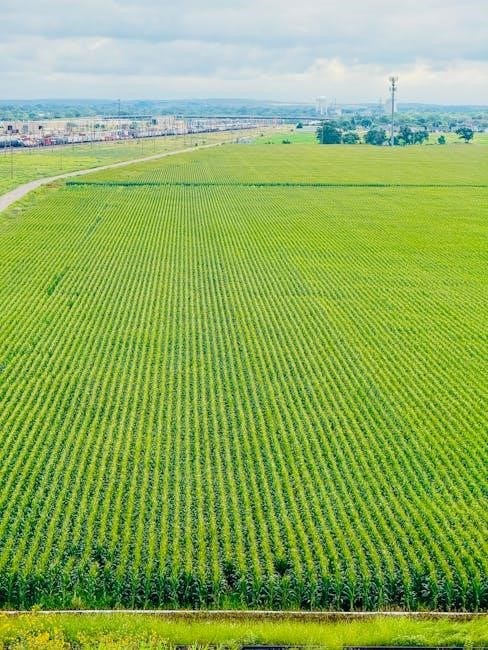
Nebraska Waterfowl Hunting Guide: An Overview (2025-2026)
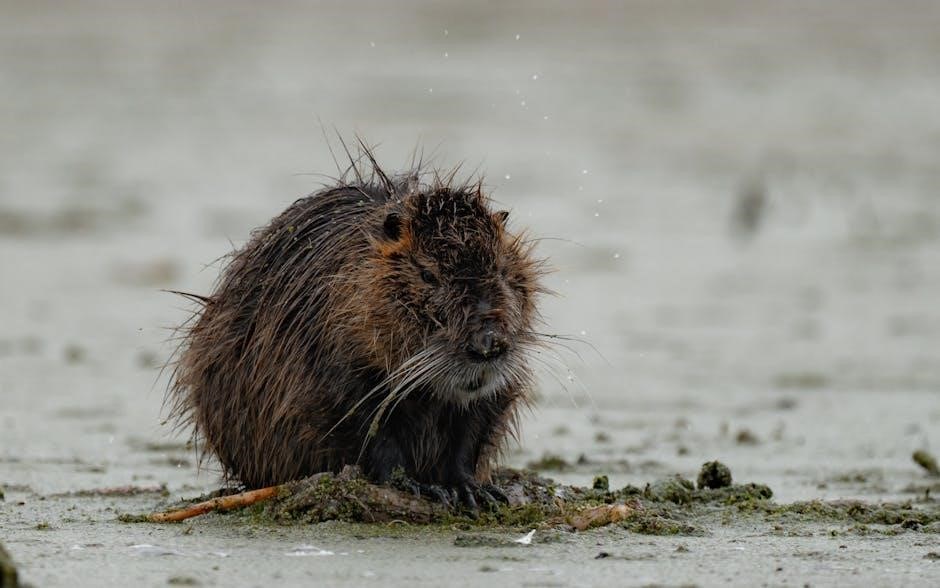
Nebraska presents diverse waterfowl opportunities, beginning with early teal seasons in September and extending through light goose conservation efforts in February.
Regular duck and goose seasons follow, offering hunters varied experiences across distinct zones and units throughout the state, ensuring a dynamic hunt.
Nebraska stands as a premier destination for waterfowl hunters, boasting a rich tradition and diverse landscapes that attract migratory birds annually. The state’s geography, ranging from the Sandhills’ expansive lakes to the Rainwater Basin’s crucial wetlands, creates ideal habitats for a wide array of duck and goose species.
The 2025-2026 season promises another exciting opportunity for hunters, with season dates and bag limits carefully managed by the Nebraska Game and Parks Commission to ensure sustainable populations. Hunters can anticipate a varied experience, starting with specialized early seasons like the early teal season in September, followed by youth, veteran, and active-duty military hunts in October.
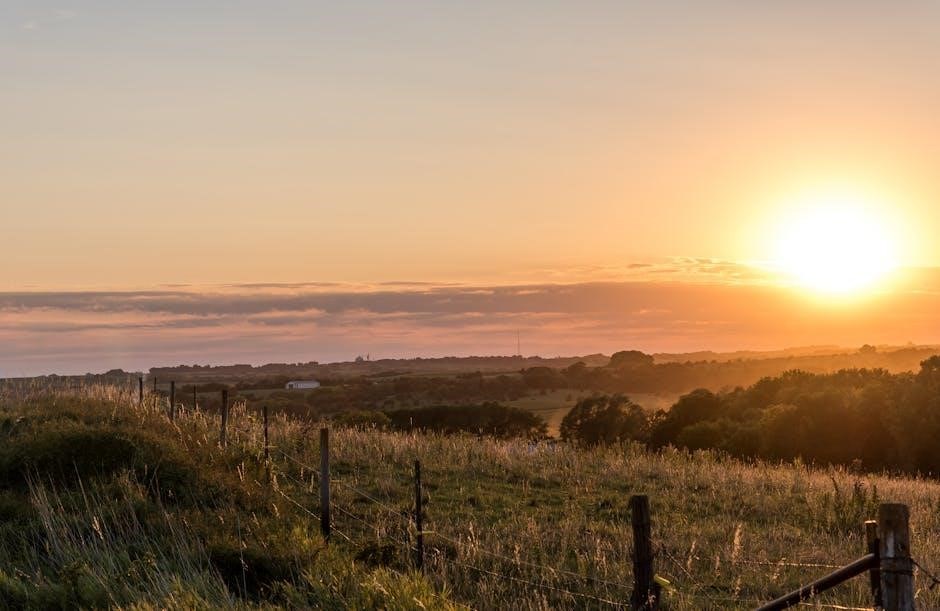
The regular duck and goose seasons, segmented into distinct zones, cater to different regional conditions and bird migration patterns. Understanding these zones and associated regulations is crucial for a successful and ethical hunt. Nebraska’s commitment to conservation, coupled with its abundant resources, makes it a truly exceptional waterfowl hunting destination.
Nebraska’s Diverse Waterfowl Habitats
Nebraska’s appeal to waterfowl stems from its remarkably diverse habitats, providing essential resting, feeding, and breeding grounds for migratory birds. The Sandhills region, characterized by its rolling hills and numerous shallow lakes, is a critical breeding area for many duck species. These lakes offer ideal conditions for nesting and raising young.
The Rainwater Basin, a unique wetland complex in central Nebraska, serves as a vital stopover point for millions of birds during spring and fall migrations. These wetlands provide crucial energy reserves for long-distance travelers. Additionally, the Platte River corridor attracts large concentrations of geese, while the Niobrara River valley offers a different, yet equally important, habitat.
These varied ecosystems, combined with strategic conservation efforts, ensure Nebraska remains a haven for waterfowl. Understanding the specific characteristics of each habitat enhances the hunting experience and promotes responsible wildlife management.
Common Duck Species in Nebraska
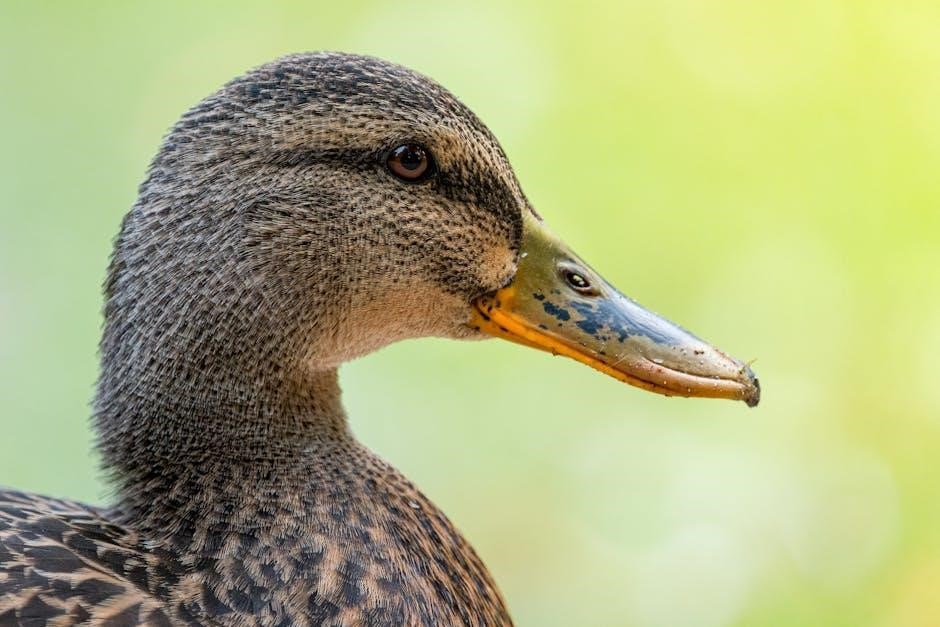
Nebraska hosts a wide array of duck species, making for dynamic hunting opportunities. Mallards are arguably the most abundant, frequently found in wetlands and agricultural fields throughout the state. Northern Pintails, known for their elegant flight, are also common migrants, utilizing the Rainwater Basin and Platte River areas.
Teal, both Blue-winged and Green-winged, arrive early in the fall, often preceding other duck species. Canvasbacks and Redheads favor the larger lakes and reservoirs, while Ring-necked Ducks prefer more secluded, vegetated wetlands. Wood Ducks, with their striking plumage, inhabit forested wetlands and river bottoms.
Hunters can also encounter Gadwall, Shovelers, and Wigeon, adding to the diversity of the Nebraska duck harvest. Recognizing these species, their behaviors, and preferred habitats is key to a successful and ethical hunt.
Common Goose Species in Nebraska
Nebraska is a significant migratory stopover for several goose species, offering hunters diverse opportunities. Canada Geese are the most prevalent, found throughout the state in agricultural fields and along river corridors. Their large flocks present challenging and rewarding hunts.
Snow Geese and Ross’s Geese arrive in massive numbers, particularly in the central Platte River Valley, creating spectacular displays and a unique conservation-focused hunting experience. White-fronted Geese, also known as Specklebellies, are less common but increasingly present, adding to the variety.
Lesser Canada Geese also migrate through Nebraska, though in smaller numbers than their larger counterparts. Understanding the flight patterns, feeding habits, and preferred roosting sites of each species is crucial for successful goose hunting in the state.
Waterfowl Hunting Seasons & Zones
Nebraska’s waterfowl seasons are structured around distinct zones – Zone 1, Zone 2 (Low & High Plains), Zone 3 (High Plains), Platte River, and Niobrara – each with unique dates.
Zone 1 Hunting Season Dates (2025-2026)
For Zone 1 in Nebraska, the 2025-2026 waterfowl hunting season presents a structured timeline for various species, offering hunters ample opportunity to pursue their quarry. The season officially opens on October 11, 2025, and continues through December 23, 2025, providing a substantial window for duck hunting.
Prior to the general duck season, dedicated Youth, Veteran, and Active-Duty Military Hunt dates are available in October 2025, fostering participation and appreciation for the sport among these groups. The specific dates for these special hunts will be announced closer to the season’s start.
Hunters should carefully note that these dates are subject to change based on updated regulations from the Nebraska Game and Parks Commission. Staying informed about any potential adjustments is crucial for a legal and enjoyable hunting experience. Always consult the official Nebraska Waterfowl Hunting Guide for the most current information.
Zone 2 Hunting Season Dates (Low & High Plains)
Zone 2 in Nebraska is divided into Low Plains and High Plains sub-zones, each with distinct 2025-2026 waterfowl hunting season dates. The Low Plains portion of Zone 2 opens on October 4, 2025, and extends through December 16, 2025, offering a solid early season opportunity for hunters.
Conversely, the High Plains portion of Zone 2 has a later start date, opening on January 7, 2026, and running until January 28, 2026. This staggered approach aims to distribute hunting pressure and optimize the harvest across the region. Hunters must be aware of which sub-zone they are hunting in and adhere to its corresponding dates.
It’s vital to consult the official Nebraska Game and Parks Commission regulations for precise boundary definitions of the Low and High Plains. Remember that season dates are subject to change, so always verify the latest information before heading into the field for a successful and compliant hunt.
Zone 3 Hunting Season Dates (High Plains)
Zone 3, situated within the High Plains region of Nebraska, presents a unique waterfowl hunting experience with specific 2025-2026 season dates. Unlike some other zones, Zone 3’s season opens a week later than 2022, reflecting adjustments made by the Nebraska Game and Parks Commission.
The general duck season in Zone 3 is scheduled to begin on a date one week following the 2022 opening, providing hunters with a later start to the season. Specific dates weren’t explicitly provided, but hunters should anticipate a start around mid-October in 2025. It’s crucial to check official updates for the precise opening day.
Staying informed about these dates is paramount for legal and ethical hunting practices. Hunters should regularly consult the Nebraska Game and Parks Commission’s website or printed regulations to confirm the most up-to-date information before planning their hunts in Zone 3.
Platte River Unit Season Dates
The Platte River Unit offers a distinct waterfowl hunting experience within Nebraska, characterized by its unique habitat and specific season dates for 2025-2026. This unit, renowned for attracting significant numbers of migrating birds, has a later opening compared to some other areas of the state.
The Platte River Unit duck season is set to commence on October 28, 2025, and will continue through February 9, 2026. This extended season provides ample opportunity for hunters to pursue a variety of duck species along the Platte River corridor. Dark goose hunting also falls within these dates.

Hunters planning to hunt within the Platte River Unit should familiarize themselves with any unit-specific regulations, as they may differ from statewide rules. Regularly checking the Nebraska Game and Parks Commission website is essential for the latest updates and any potential changes to these dates.
Niobrara Unit Season Dates
The Niobrara Unit presents a unique waterfowl hunting destination in Nebraska, distinguished by its scenic landscapes and specific season dates for the 2025-2026 hunting year. This unit, known for its diverse habitats along the Niobrara River, attracts a variety of migrating birds, offering hunters a rewarding experience.
The Niobrara Unit duck season is scheduled to open on October 28, 2025, and will extend through a closing date of February 9, 2026. This timeframe allows hunters a substantial period to target various duck species within the unit’s boundaries. Dark goose hunting opportunities also align with these dates.
It’s crucial for hunters intending to hunt in the Niobrara Unit to be aware of any unit-specific regulations, which may differ from statewide guidelines. Consulting the Nebraska Game and Parks Commission website for the most current information and potential adjustments to these dates is highly recommended.
Regulations & Bag Limits
Nebraska’s waterfowl hunting adheres to strict regulations and established bag limits for both ducks and geese, ensuring sustainable harvests and conservation efforts.
Specific rules govern canvasback and pintail harvests, alongside dedicated dates for youth, veteran, and military hunters.
Daily Bag Limits for Ducks
Nebraska’s daily bag limits for ducks are carefully structured to balance hunter opportunity with responsible resource management. The general daily bag limit allows for six ducks, encompassing a variety of species, providing hunters with flexibility in their pursuits. However, within this overall limit, specific restrictions apply to certain species to ensure their populations remain healthy and sustainable.
Hunters must be aware of sub-limits for individual duck species. For instance, the regulations often specify limits on mallards, with a maximum of five mallards per day, and no more than three can be hens. Additionally, limits are placed on scaup, pintails, and canvasbacks, reflecting their respective population statuses. Understanding these nuances is crucial for compliance and ethical hunting practices.
It’s important to consult the official Nebraska Game and Parks Commission hunting guide for the most up-to-date and precise bag limit information, as regulations can change annually based on population surveys and conservation needs. Hunters are responsible for knowing and adhering to these limits to contribute to the long-term health of Nebraska’s duck populations.
Daily Bag Limits for Geese
Nebraska establishes distinct daily bag limits for geese, categorized by species, to promote sustainable harvesting practices. The daily bag limit for dark geese, including Canada geese, is generally three birds, offering hunters reasonable opportunities while safeguarding population levels. However, specific zone regulations and season timing can influence these limits.
Light geese, such as snow geese and Ross’s geese, often have more liberal bag limits, frequently set at five birds daily, particularly during the Light Goose Conservation Order. This order aims to manage the abundant light goose populations and mitigate their impact on agricultural lands and other wildlife habitats.
Hunters must diligently differentiate between dark and light geese to ensure compliance with the respective bag limits. Accurate species identification is paramount. Always refer to the current Nebraska Game and Parks Commission hunting guide for the most accurate and updated regulations, as limits can vary based on zone and season. Responsible hunting contributes to the health of Nebraska’s goose populations.
Canvasback and Pintail Season Specifics
Nebraska’s regulations for canvasback and pintail ducks often differ from those applied to other duck species, reflecting their unique population dynamics and conservation needs. Typically, the season for these ducks runs concurrently with the first 39 days open for all other ducks and mergansers, creating a defined hunting window.
Hunters should be aware that daily bag limits for canvasback and pintail are often more restrictive than those for other ducks. This conservative approach aims to protect these species, which have experienced population fluctuations in the past. Careful attention to species identification is crucial to avoid accidental overharvest.
It’s essential to consult the current Nebraska Game and Parks Commission hunting guide for precise season dates and bag limits, as these can change annually based on population surveys and management objectives. Staying informed ensures compliance and supports the long-term health of canvasback and pintail populations within the state.
Youth, Veteran, and Active-Duty Military Hunt Dates
Nebraska prioritizes opportunities for youth, veterans, and active-duty military personnel to enjoy waterfowl hunting. Dedicated hunt dates are established to provide these groups with exclusive access and a supportive hunting environment.
Typically, youth hunt dates occur the weekend immediately preceding the regular duck season in Zone 1, offering a mentored experience for young hunters. Similarly, special hunt dates are designated for veterans and active-duty military, recognizing their service and providing a recreational outlet.
These dates often feature relaxed regulations and increased opportunities for success. Participants must meet specific eligibility requirements and may need to register in advance. Detailed information regarding dates, locations, and registration procedures can be found on the Nebraska Game and Parks Commission website. These hunts foster camaraderie and promote the continuation of waterfowl hunting traditions.
Essential Hunting Information
Nebraska hunters require crucial details for successful seasons, including interactive zone maps, light goose conservation order specifics, and early teal season regulations for optimal planning.
Understanding Nebraska Hunting Zones (Interactive Map)
Nebraska’s waterfowl hunting landscape is divided into distinct zones, each with unique characteristics and season dates designed to maximize hunting opportunities while conserving bird populations. An interactive map is an invaluable tool for hunters, providing a visual representation of these zones and their boundaries.
This map allows hunters to click on specific zones – Zone 1, Zone 2 (Low & High Plains), Zone 3 (High Plains), the Platte River Unit, and the Niobrara Unit – to access detailed information. Pop-up windows reveal specific season dates, bag limits applicable to each area, and any special regulations that may be in effect. Understanding these nuances is critical for legal and ethical hunting.
The zones are defined by geographical features and historical waterfowl migration patterns. Utilizing the interactive map ensures hunters are aware of the precise boundaries and regulations governing their chosen hunting location, promoting responsible hunting practices and a successful season. Accessing this map is a fundamental step in preparing for a Nebraska waterfowl hunt.
Light Goose Conservation Order
The Light Goose Conservation Order in Nebraska is a crucial management strategy aimed at controlling the growing population of light geese, specifically snow geese and Ross’s geese. These populations have expanded significantly, leading to habitat degradation in sensitive areas like the Arctic breeding grounds and important prairie wetlands.
This special season, typically running from early February to late March, utilizes more liberal hunting regulations – including extended shooting hours, electronic calls, and the removal of bag limits – to encourage increased harvest. The goal isn’t simply about maximizing the number of geese taken, but about actively managing the population to mitigate ecological damage.
Hunters participating in the Conservation Order are required to register annually with the Nebraska Game and Parks Commission. This order represents a collaborative effort between hunters and wildlife managers to ensure the long-term health of prairie ecosystems and the sustainability of waterfowl populations.
Early Teal Season Details

Nebraska’s Early Teal Season provides waterfowl hunters with a first opportunity to pursue these agile and flavorful ducks. Typically opening in September, this season focuses specifically on blue-winged teal, offering a distinct hunting experience before the regular waterfowl seasons begin.
The dates vary slightly depending on the zone, with the Low Plains generally opening first. This early season is designed to take advantage of teal migration patterns and allows hunters to enjoy hunting during milder weather conditions. It’s a popular choice for those eager to get into the field and scout locations for the upcoming season.
Bag limits for the Early Teal Season are separate from those of the regular duck season, providing additional hunting opportunities. Hunters should always consult the current Nebraska Game and Parks Commission regulations for precise dates and specific rules pertaining to this special season.