Essential oils, derived from plants, represent a cornerstone of traditional medicine and holistic wellness, offering diverse therapeutic applications for centuries.
These concentrated plant extracts are increasingly popular for promoting physical and emotional well-being, serving as a natural approach to health and relaxation.
What are Essential Oils?
Essential oils are highly concentrated, volatile aromatic compounds extracted from various parts of plants – flowers, leaves, stems, roots, or bark. They aren’t actually “oils” in the traditional sense, lacking fatty acids, but are named so due to their oily appearance and ability to dissolve in oil.
These potent liquids contain the plant’s essence, capturing its scent and offering therapeutic properties. They’ve been utilized for centuries in aromatherapy, traditional medicine, and natural healing practices. Their chemical composition is complex, varying greatly depending on the plant source and extraction method.
Essentially, they represent the plant’s immune system and defense mechanisms, offering benefits to those who utilize them responsibly.
History of Essential Oil Use
The practice of utilizing aromatic plants for healing dates back millennia. Evidence suggests ancient Egyptians employed essential oils for embalming, cosmetics, and medicinal purposes, around 3000 BCE. Ancient civilizations like the Greeks, Romans, and Chinese also documented the use of aromatic plants for their therapeutic benefits.
Hippocrates, the “father of medicine,” advocated for aromatherapy, while the Romans used scented oils for massage and bathing. During the Middle Ages, essential oils were primarily used in monasteries for medicinal preparations.
The term “essential oil” was coined in the 16th century by Paracelsus, a Swiss physician. Modern aromatherapy gained momentum in the early 20th century, revitalizing this ancient practice.
Methods of Extraction
Essential oils are obtained from plants through various methods, including steam distillation, cold pressing, and solvent extraction, each yielding unique aromatic compounds.
Steam Distillation
Steam distillation is a widely used method for extracting essential oils, particularly favored for its efficiency and ability to produce high-quality oils. This process involves passing steam through plant material, causing the plant’s volatile aromatic compounds to vaporize.
The steam, carrying these aromatic molecules, is then cooled and condensed back into a liquid, which separates into oil and water. Because essential oils are typically lighter than water, they float on top, allowing for easy collection.
This gentle method preserves the integrity of the oil’s chemical composition, making it suitable for a wide range of plants and resulting in oils commonly used in aromatherapy and natural remedies.
Cold Pressing (Expression)
Cold pressing, also known as expression, is a mechanical extraction method primarily used for citrus essential oils like lemon, orange, and grapefruit. This technique doesn’t involve heat, preserving the delicate aromatic compounds that can be damaged by high temperatures.
The process involves physically pressing or squeezing the rinds of the fruit, releasing the oil contained within the tiny sacs. Traditionally, this was done manually, but modern methods utilize machines to efficiently extract the oil.
The resulting oil is then separated from the fruit pulp and juice. Cold pressing yields oils with a vibrant, fresh scent closely resembling the original fruit, making them ideal for aromatherapy and flavoring.
Solvent Extraction
Solvent extraction is employed for delicate floral oils, like jasmine or rose, where steam distillation could damage the fragile aromatic compounds. This method utilizes a solvent – often hexane or ethanol – to dissolve the plant material’s oils.
The solvent is then removed, leaving behind a waxy substance called a “concrete.” Further processing with alcohol separates the pure essential oil from the wax, resulting in an “absolute.”
While effective, solvent extraction requires careful removal of all solvent traces to ensure safety. Absolutes are highly concentrated and possess a rich, true-to-nature aroma, making them prized in perfumery and high-end aromatherapy applications.
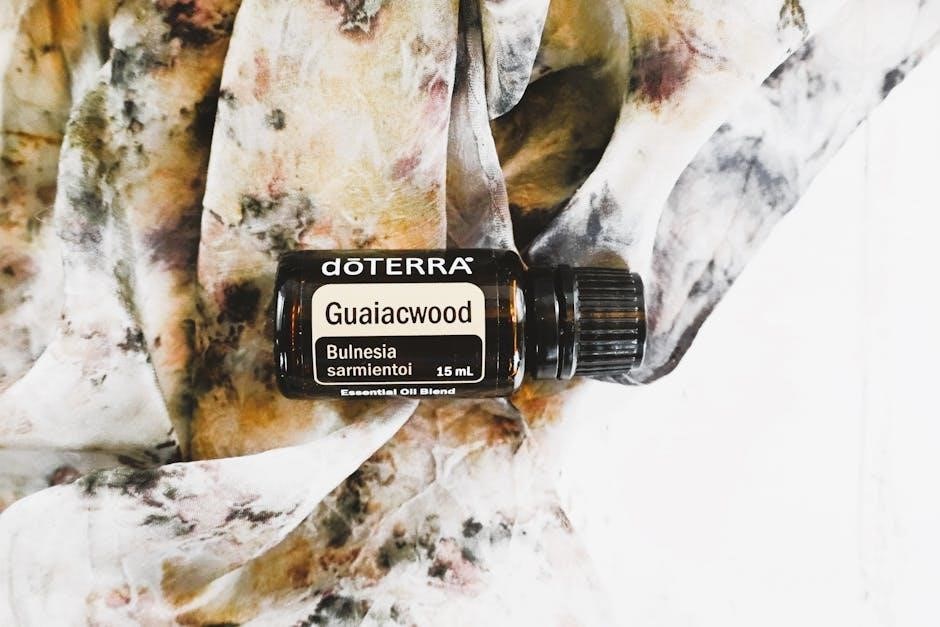
Top Essential Oils and Their Uses
Discover the power of nature with popular essential oils like lavender, tea tree, lemon, and peppermint, each offering unique therapeutic benefits for mind and body.
Lavender Essential Oil
Lavender essential oil stands as a remarkably versatile and widely beloved oil, celebrated for its calming and therapeutic properties. Historically utilized for centuries, it continues to be a staple in aromatherapy and natural wellness practices. Its delightful floral aroma promotes relaxation, reduces stress, and eases anxiety, making it ideal for creating a peaceful atmosphere.
Beyond its emotional benefits, lavender oil boasts impressive skin benefits. It can soothe minor burns, cuts, and scrapes, while its anti-inflammatory properties help calm irritated skin conditions like eczema and psoriasis. Many incorporate it into skincare routines to promote a healthy, radiant complexion. Lavender truly embodies nature’s gentle healing touch.
Uses for Relaxation and Sleep
Lavender essential oil is renowned for its profound ability to induce relaxation and improve sleep quality. Its calming aroma interacts with the limbic system, the brain area controlling emotions, to alleviate stress and anxiety – key disruptors of restful sleep. Diffusing lavender before bedtime creates a tranquil environment conducive to deep, restorative slumber.
Adding a few drops to a warm bath, or applying a diluted solution to the temples and wrists, can further enhance its relaxing effects. Lavender’s gentle properties make it a safe and natural alternative to conventional sleep aids, promoting a sense of peace and well-being. It’s a valuable tool for managing daily stress and achieving a more balanced lifestyle.
Skin Benefits of Lavender Oil
Lavender essential oil offers remarkable benefits for skin health, stemming from its potent anti-inflammatory and antiseptic properties. It effectively soothes irritated skin, reducing redness and inflammation associated with conditions like eczema and psoriasis. Its gentle nature makes it suitable for sensitive skin types, minimizing the risk of adverse reactions.
Lavender oil also promotes wound healing by stimulating cell regeneration and preventing infection. Diluted applications can address minor burns, cuts, and insect bites. Furthermore, its antioxidant properties combat free radical damage, contributing to a youthful complexion. Regular, careful use can improve skin tone and texture, leaving it feeling refreshed and revitalized.
Tea Tree Essential Oil
Tea tree essential oil, originating from Australia, is renowned for its powerful antiseptic and antibacterial qualities, making it a staple in natural skincare and wellness routines. Historically utilized by indigenous Australians for medicinal purposes, it effectively combats a wide spectrum of bacteria, viruses, and fungi. This potent oil is particularly effective against acne-causing bacteria, reducing inflammation and preventing future breakouts.
Beyond acne, tea tree oil addresses various skin infections, athlete’s foot, and minor wounds. Its natural antifungal properties make it useful for treating nail fungus. However, it’s crucial to dilute tea tree oil with a carrier oil before topical application to avoid irritation, as undiluted use can cause sensitivity in some individuals.
Antiseptic and Antibacterial Properties
Tea tree oil’s remarkable antiseptic and antibacterial capabilities stem from its high concentration of terpinen-4-ol, a potent compound disrupting microbial cell function. This disruption inhibits bacterial growth and effectively combats various infections. Research demonstrates its efficacy against common skin pathogens like Staphylococcus aureus and Streptococcus pneumoniae, contributing to its widespread use in treating minor cuts, scrapes, and blemishes.
Furthermore, tea tree oil exhibits antiviral activity against certain viruses, bolstering the immune system’s defense mechanisms. Its broad-spectrum antimicrobial action makes it a valuable natural alternative to conventional disinfectants, promoting a healthier environment. However, it’s vital to remember that while potent, it’s not a substitute for medical treatment in severe infections.
Treating Skin Conditions with Tea Tree Oil
Tea tree oil proves beneficial in addressing a range of skin ailments due to its anti-inflammatory and antimicrobial properties. It’s commonly used to alleviate symptoms of acne, reducing inflammation and combating the bacteria contributing to breakouts. Diluted tea tree oil can effectively soothe irritated skin, easing redness and swelling associated with conditions like eczema and psoriasis, though patch testing is crucial.
Furthermore, its antifungal properties make it helpful in treating athlete’s foot and nail fungus. Minor cuts, insect bites, and burns also respond well to topical application, promoting faster healing and preventing infection. Always dilute tea tree oil with a carrier oil before application to minimize potential skin sensitivity and irritation.
Lemon Essential Oil
Lemon essential oil, extracted from lemon peels, stands out as a remarkably versatile oil in aromatherapy and holistic healthcare. Its bright, citrusy aroma is instantly uplifting, contributing to a positive and energetic atmosphere. Beyond its delightful scent, lemon oil boasts potent cleaning properties, making it a natural alternative to harsh chemical cleaners for surfaces and air purification.
Historically utilized for its antiseptic qualities, lemon oil continues to be valued for its ability to cleanse and revitalize. It’s a staple ingredient in many DIY cleaning recipes, offering a fresh and invigorating scent alongside its disinfecting benefits. Its widespread availability and affordability further enhance its appeal.
Mood Boosting and Energizing Effects
Lemon essential oil is renowned for its remarkable ability to elevate mood and invigorate the senses. The bright, zesty aroma acts as a natural stimulant, combating feelings of fatigue and promoting a sense of alertness and positivity. Inhaling lemon oil can help to reduce stress and anxiety, fostering a more optimistic outlook and enhancing mental clarity.
This energizing effect makes it an ideal choice for combating afternoon slumps or providing a refreshing start to the day. Diffusing lemon oil can create an uplifting atmosphere, while topical application, when properly diluted, can offer a subtle, sustained energy boost. Its cheerful scent truly embodies revitalization.
Cleaning Applications of Lemon Oil
Lemon essential oil isn’t just a mood booster; it’s a powerful, natural cleaning agent. Its potent antibacterial and antiseptic properties make it effective at disinfecting surfaces and eliminating odors. The oil’s acidity helps to cut through grease and grime, leaving a sparkling clean finish without harsh chemicals.
Adding a few drops to your regular cleaning solutions enhances their effectiveness, while also imparting a fresh, citrusy scent. Lemon oil is excellent for cleaning kitchen counters, bathroom surfaces, and even stainless steel appliances. Remember to always dilute it properly to avoid damage to surfaces, creating a healthier and more pleasant home environment.
Peppermint Essential Oil

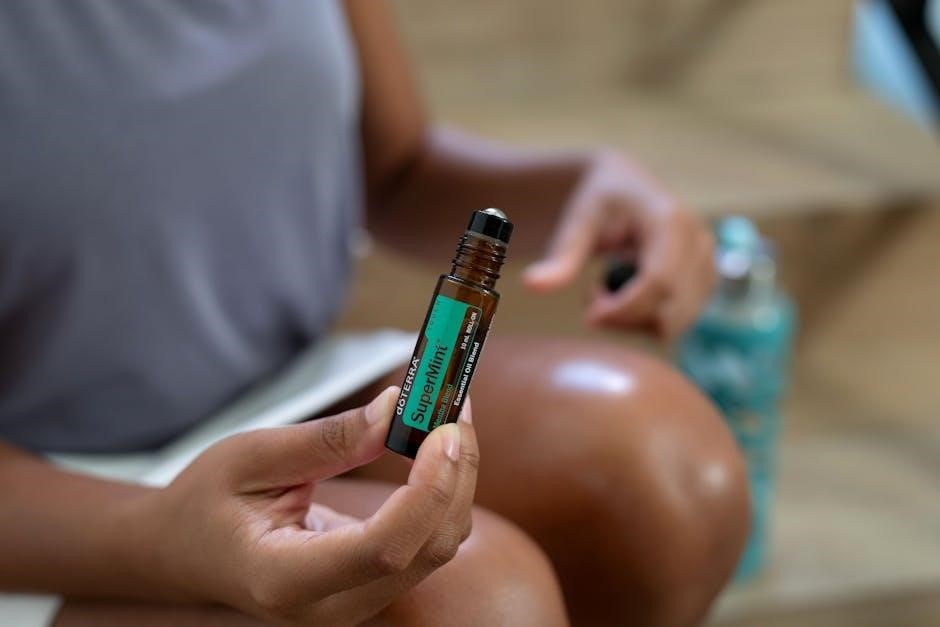
Peppermint essential oil, renowned for its invigorating aroma, is a versatile oil with a long history of therapeutic use. Derived from the peppermint plant, it contains menthol, which provides cooling and pain-relieving properties. This makes it a popular choice for addressing various ailments, from headaches to digestive discomfort.
Beyond its refreshing scent, peppermint oil offers a natural remedy for muscle aches and tension. Its stimulating properties can also enhance mental clarity and focus. Widely used in aromatherapy, it’s a staple for those seeking natural solutions for both physical and mental well-being, offering a revitalizing experience.
Relieving Headaches and Muscle Pain
Peppermint essential oil stands out as a natural analgesic, effectively relieving headaches and muscle pain. Its menthol content creates a cooling sensation, soothing tension headaches and migraines when applied topically, often diluted with a carrier oil. This application helps to relax muscles and reduce inflammation, providing relief from discomfort.
For muscle soreness, peppermint oil can be incorporated into massage blends, enhancing circulation and easing tension. Its analgesic properties offer a drug-free alternative for managing pain, making it a valuable addition to any wellness routine. Remember to always perform a patch test before widespread application to ensure no adverse reactions occur.
Digestive Support with Peppermint Oil
Peppermint essential oil has a long history of use in supporting healthy digestion. It can help alleviate common digestive issues like bloating, gas, and indigestion by relaxing the muscles of the gastrointestinal tract. This soothing effect can reduce spasms and promote smoother digestion, offering relief from discomfort.
A few drops of peppermint oil, diluted in a carrier oil, can be gently massaged onto the abdomen to ease digestive upset. Inhalation of peppermint aroma can also stimulate digestive enzymes and improve motility. However, caution is advised for individuals with GERD, as it may exacerbate symptoms; always use responsibly and consult a healthcare professional if needed.
Safety Considerations When Using Essential Oils
Essential oil safety demands careful dilution with carrier oils to prevent skin sensitivity and adverse reactions; always prioritize responsible usage and awareness.
Dilution Ratios and Carrier Oils
Dilution is paramount when utilizing essential oils, as their potency requires moderation to avoid skin irritation or sensitization. A general guideline suggests a 1-3% dilution for adults, meaning 1-3 drops of essential oil per teaspoon (5ml) of carrier oil.
Carrier oils, such as jojoba, sweet almond, grapeseed, or coconut oil, serve as the base, effectively “carrying” the essential oil onto the skin and reducing its concentration.
For sensitive skin, the elderly, or children, a 0.5-1% dilution is recommended. Always perform a patch test before widespread application, applying a small, diluted amount to an inconspicuous area and observing for any reaction within 24-48 hours.
Understanding these ratios and selecting appropriate carrier oils are crucial steps for safe and effective essential oil use.
Potential Allergic Reactions and Sensitivity
Allergic reactions to essential oils, though uncommon, can occur, manifesting as skin rashes, itching, hives, or even respiratory distress in sensitive individuals. Prior sensitization, even without initial reaction, can develop over time with repeated exposure.
Photosensitivity is another concern; certain oils (like citrus oils) can increase skin’s sensitivity to sunlight, leading to sunburn or discoloration. Always avoid direct sun exposure after topical application of these oils.
A patch test, as previously mentioned, is vital. If irritation develops, discontinue use immediately and wash the affected area with a gentle cleanser. Individuals with pre-existing allergies or asthma should exercise extra caution and consult a healthcare professional before using essential oils.
Precautions for Pregnancy and Medical Conditions
Pregnant and breastfeeding women should exercise extreme caution, as certain essential oils can pose risks to the developing fetus or infant. Avoid oils like clary sage, rosemary, and juniper berry during pregnancy. Always consult with a qualified healthcare provider before use.
Individuals with pre-existing medical conditions, such as epilepsy, asthma, liver disease, or kidney problems, should also seek medical advice before incorporating essential oils into their wellness routine. Some oils can interact with medications or exacerbate existing health issues.
Those with sensitive skin or autoimmune disorders should proceed with extra care, starting with highly diluted solutions and closely monitoring for any adverse reactions. Responsible use and professional guidance are paramount.
Methods of Application
Essential oils can be utilized through aromatherapy diffusers, topical application with carrier oils, or direct inhalation, each offering unique benefits and absorption rates.
Aromatherapy Diffusers
Aromatherapy diffusers disperse essential oil molecules into the air, creating a fragrant environment that can influence mood and well-being. Several types exist, including ultrasonic, nebulizing, and evaporative diffusers, each employing a different method to release the oils.
Ultrasonic diffusers use water and vibrations to create a fine mist, while nebulizing diffusers break down the oils into microparticles without water, offering a more concentrated aroma. Evaporative diffusers rely on natural evaporation from a pad or fan.
Diffusing essential oils is a convenient way to enjoy their therapeutic benefits, such as stress reduction, improved sleep, and enhanced focus. Proper usage involves following the diffuser’s instructions and using high-quality essential oils for optimal results and safety.
Topical Application
Topical application of essential oils involves applying them to the skin, allowing for absorption and localized benefits. However, essential oils are highly concentrated and must always be diluted with a carrier oil – such as jojoba, almond, or coconut oil – to prevent skin irritation or sensitization.
Common dilution ratios range from 1-3% essential oil to carrier oil, depending on the oil and individual sensitivity. Patch testing a small area of skin before widespread application is crucial to identify potential allergic reactions.
Topical use can address various concerns, including muscle soreness, skin conditions, and localized pain. Always research the specific oil’s properties and contraindications before applying it to the skin, ensuring safe and effective use.
Inhalation
Inhalation is a powerful method for experiencing the therapeutic benefits of essential oils, as scent molecules directly impact the limbic system – the brain area associated with emotions and memories. Several techniques exist, including direct inhalation from the bottle, steam inhalation, or using an aromatherapy diffuser.
Diffusers disperse oils into the air, creating an aromatic environment that can promote relaxation, improve mood, or support respiratory health. Steam inhalation, involving adding a few drops to hot water and breathing in the vapor, can help clear congestion.
Always use caution with steam inhalation to avoid burns. Inhalation offers a gentle, non-invasive way to harness the power of essential oils for emotional and physical well-being.