
Miata Buyers Guide: A Comprehensive Overview (Updated 02/17/2026)
This guide assists prospective owners in navigating the Miata market, covering generations, inspections, and common issues.
Consider factors like budget, trim levels, and vehicle history for informed decisions.
The Mazda MX-5 Miata, a globally celebrated roadster, embodies the joy of driving in its purest form. Since its debut in 1990, the Miata has consistently delivered an engaging, lightweight, and affordable sports car experience. It’s a vehicle that prioritizes handling and driver connection over sheer horsepower, proving that a truly great sports car doesn’t need excessive power.
This enduring popularity stems from its simple, rear-wheel-drive layout and perfectly balanced chassis. The Miata’s design philosophy centers around the “Jinba Ittai” concept – a harmonious connection between horse and rider – translating to a responsive and intuitive driving experience. Throughout its four generations (NA, NB, NC, and ND), the Miata has remained true to its roots while evolving with modern technology and safety features.
Whether you’re a seasoned enthusiast or a newcomer to the world of sports cars, the Miata offers an accessible and rewarding driving experience. This buyer’s guide will provide you with the knowledge to confidently navigate the Miata market and find the perfect example to suit your needs and budget.
Why Buy a Miata?
Choosing a Mazda Miata means embracing a unique driving philosophy. It’s not about brute force; it’s about finesse, balance, and pure driving pleasure. The Miata offers an unmatched connection to the road, fostering an engaging experience often lost in modern vehicles. Its lightweight design and responsive handling make every drive an event, whether navigating winding backroads or simply enjoying a sunny day.
Beyond the driving experience, the Miata boasts a vibrant and supportive community. Owners are passionate about their cars and readily share knowledge, modifications, and experiences. This creates a welcoming environment for both new and experienced Miata enthusiasts. Furthermore, the Miata’s affordability and relatively low maintenance costs make it a practical choice for a sports car.
The Miata is a rare breed – a small, lightweight, manual transmission-equipped sports car still in production. It’s a testament to Mazda’s commitment to driving enjoyment and a celebration of the simple joys of motoring. It’s a car that truly delivers on its promise of fun.
Miata Generations: A Breakdown
The Miata has evolved through four distinct generations, each offering a unique character and appeal. Understanding these differences is crucial when choosing the right Miata for your needs. The original NA Miata (1990-1997) established the formula: lightweight, rear-wheel drive, and affordable fun. It’s a classic, but expect some age-related issues.
The NB Miata (1999-2005) refined the NA, with updated styling, improved safety features, and a slightly more powerful engine. It addressed some of the NA’s shortcomings while retaining its core spirit. The NC Miata (2006-2015) represented a significant modernization, offering increased size, more power, and a more comfortable interior.
Finally, the ND Miata (2016-Present) returned to the roots of the original, prioritizing lightweight construction and nimble handling. It incorporates modern technology and offers both soft-top and RF (Retractable Fastback) options. Each generation caters to different preferences, so research is key to finding your ideal Miata.

NA Miata (1990-1997) ⏤ The Original
The NA Miata, the first generation, is celebrated for its pure driving experience and affordability. Introduced in 1990, it quickly became a benchmark for lightweight sports cars. Key features include a 1.6L or 1.8L inline-four engine, rear-wheel drive, and a simple, yet effective, suspension setup.
However, prospective buyers should be aware of potential issues. Rust is a significant concern, particularly in areas with harsh winters. The soft top can deteriorate with age, requiring repair or replacement. Early models (1990-1993) had a 1.6L engine which is less powerful than the later 1.8L versions.
Despite these potential drawbacks, the NA Miata offers an engaging and rewarding driving experience. Its simplicity makes it relatively easy to maintain and modify. It’s a fantastic entry point into the world of Miata ownership, offering classic roadster charm at a reasonable price. Thorough inspection is vital.
NB Miata (1999-2005) ‒ Refinements and Updates
The NB Miata, launched in 1999, built upon the NA’s foundation with subtle yet significant refinements. It featured updated styling, including fixed headlights (though pop-up headlights were still available early in the production run), and a more refined interior. Engine options included the 1.8L from the later NA models, and a more powerful 1.8L with variable valve timing (VVT) in later years.
Like the NA, rust remains a concern, though generally less severe. The NB also benefits from improved NVH (noise, vibration, and harshness) levels, making it a more comfortable daily driver. Special editions, like the Miata Club, offered enhanced performance features.
Potential buyers should inspect the soft top carefully, as wear and tear are common. While generally more reliable than the NA, the NB still requires diligent maintenance. It strikes a good balance between classic Miata feel and modern convenience, making it a popular choice for enthusiasts seeking a refined driving experience.
NC Miata (2006-2015) ‒ Modernization and Power
The NC Miata represented a significant departure from its predecessors, offering a more substantial size and a focus on modern features. Introduced in 2006, it boasted a more powerful 2.0L engine initially, later upgraded to a 2.5L, providing a noticeable increase in performance. The NC also featured a retractable hardtop option, adding all-weather practicality.
While offering increased refinement, the NC is often considered heavier than the NA and NB. Oil consumption can be a concern with the 2.5L engine, requiring regular monitoring. Suspension upgrades can help sharpen handling, addressing some criticisms of the stock setup.
The NC provides a more comfortable and capable daily driver experience, while still retaining the core Miata spirit. Inspect the hardtop mechanism (if equipped) for smooth operation and potential issues. It’s a great option for those seeking a modern, reliable, and enjoyable roadster.
ND Miata (2016-Present) ⏤ Lightweight and Technology
The ND Miata, launched in 2016, returned to the roots of the original, prioritizing lightweight design and driver engagement. It’s significantly lighter than the NC, enhancing its nimble handling characteristics. The ND introduced a sleek, modern aesthetic and incorporated updated technology, including a touchscreen infotainment system – though early versions had some usability concerns addressed in later firmware updates.
Two engine options are available: a 1.5L and a 2.0L, both offering excellent fuel economy and responsive performance. Like the NC, oil consumption can be a factor, particularly with the 2.0L engine, so diligent monitoring is advised. The ND continues the Miata tradition of being readily customizable and a popular choice for track days.
The ND represents the latest evolution of the Miata formula, blending modern features with classic roadster appeal. It’s a compelling option for both seasoned enthusiasts and newcomers alike, offering a pure driving experience.
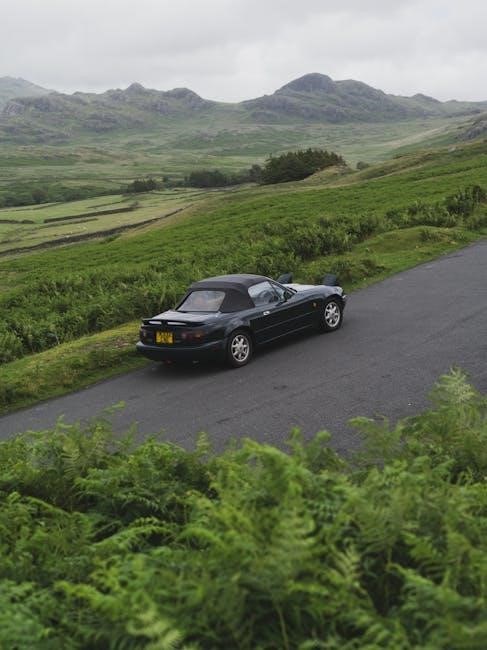
Key Considerations Before Buying
Carefully assess your budget, desired trim level, and the vehicle’s history. Thoroughly inspect for potential issues like rust or mechanical concerns before finalizing any purchase decisions.
Budgeting for a Miata
Establishing a realistic budget is paramount when considering a Miata purchase. Prices vary significantly based on generation, condition, mileage, and location. First-generation (NA) Miatas can be found for under $10,000, often requiring some level of restoration or maintenance; Newer ND models, particularly those with lower mileage and desirable features, can easily exceed $30,000.
Beyond the initial purchase price, factor in potential costs for insurance, registration, and routine maintenance. Miatas, while generally reliable, benefit from regular servicing, including oil changes, fluid checks, and occasional repairs. Consider setting aside a contingency fund for unexpected issues, such as rust repair or component replacement.
Don’t forget to account for potential modifications or upgrades. Many Miata owners enjoy personalizing their vehicles with aftermarket parts, which can add to the overall cost. Prioritize essential maintenance and repairs before investing in cosmetic or performance enhancements. A well-maintained, affordable Miata is often a more rewarding purchase than a high-priced, neglected example.
Understanding Trim Levels
Miata trim levels have evolved across generations, impacting features and price. For the current ND generation (2016-present), the primary trims are Base, Club, and Grand Touring. The Base model offers a pure driving experience with essential features, ideal for enthusiasts prioritizing simplicity. The Club trim adds sporty enhancements like a limited-slip differential and Bilstein shocks, enhancing handling performance.
The Grand Touring trim focuses on comfort and convenience, including leather seats, a premium audio system, and advanced safety features. Earlier generations featured different trim structures, but generally followed a similar progression from basic to well-equipped.
Beyond standard trims, Mazda has released numerous special editions throughout Miata history. These limited-run models often include unique cosmetic upgrades, performance enhancements, or exclusive features, commanding a premium in the used market. Researching specific trim levels and special editions will help you identify a Miata that aligns with your preferences and budget.
Base/Club/Grand Touring (ND)
The ND Miata’s trim structure – Base, Club, and Grand Touring – caters to diverse driving preferences. The Base model provides a classic roadster experience, featuring a soft top, manual transmission (available as an option), and essential amenities. It’s a purist’s choice, emphasizing lightweight agility. The Club trim elevates the driving experience with a short-throw shifter, sport-tuned suspension (Bilstein dampers), and a limited-slip differential for improved cornering.
Often, the Club trim includes 17-inch wheels and a Bose audio system. The Grand Touring trim prioritizes comfort and convenience, adding features like leather upholstery, heated seats, automatic climate control, and a premium Bose audio system. It’s the most luxurious ND Miata option.
Choosing between these trims depends on your priorities: raw driving enjoyment (Base), enhanced performance (Club), or refined comfort (Grand Touring). Consider your intended use and budget when making your decision.
Special Editions (All Generations)
Throughout its history, Mazda has released numerous Miata special editions, each offering unique styling and equipment. These limited-run models often command a premium in the used market due to their rarity and collectibility. Examples include the NA Miata’s Flyin’ Miata and R Package, known for their performance enhancements. The NB Miata featured editions like the Limited and the Shinsenmiya, boasting cosmetic upgrades and exclusive features.

NC Miatas saw special editions such as the PRHT Limited and the Club Competition, adding features like a power retractable hardtop and track-focused components. ND Miatas have received editions like the Club RF Launch Edition and the 30th Anniversary Edition, celebrating milestones with distinctive aesthetics and equipment.
When considering a special edition, research its specific features and historical significance. Verify authenticity and assess whether the added value justifies the price premium. These editions can be excellent choices for enthusiasts seeking a unique Miata experience.
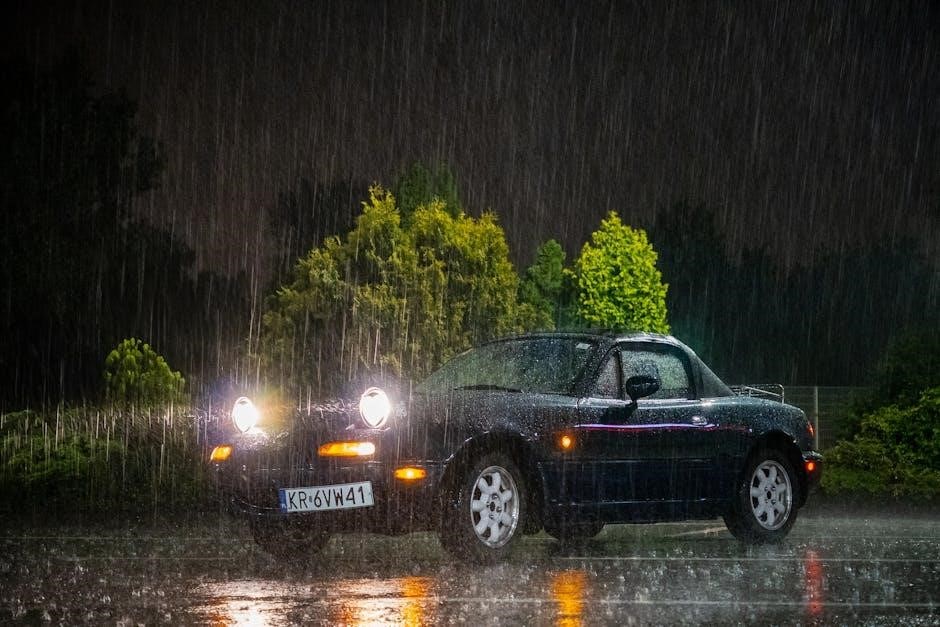
Mileage and Vehicle History
A Miata’s mileage isn’t always the primary indicator of its condition; maintenance history is crucial. Lower mileage examples often fetch higher prices, but a well-maintained Miata with higher mileage can be a better value than a neglected low-mileage car. Always request a vehicle history report (like Carfax or AutoCheck) to uncover potential issues like accidents, title problems, or odometer discrepancies.
Pay close attention to service records. Consistent oil changes, fluid flushes, and timely repairs demonstrate responsible ownership. Look for evidence of rust prevention, especially in areas prone to corrosion. A detailed history suggests the car has been cared for, potentially minimizing future headaches.
Don’t dismiss a Miata with some modifications if they’ve been professionally installed and documented. However, understand that modifications can sometimes affect reliability or resale value. Thoroughly investigate any alterations before making a decision.

Mechanical Inspection Checklist
A pre-purchase inspection by a qualified mechanic is essential. Focus on engine, transmission, suspension, brakes, and potential rust. Address any identified issues promptly for peace of mind.
Engine Inspection
A thorough engine inspection is paramount when evaluating a used Miata. Begin by checking for any visible leaks – oil, coolant, or other fluids – around the engine bay. Examine the oil itself; it should be clean and not excessively sludgy, indicating regular maintenance. Listen carefully during startup and operation for any unusual noises, such as knocking, ticking, or rattling, which could signal internal issues.
Compression testing is highly recommended to assess the health of the engine’s cylinders. Low compression can indicate worn piston rings or valve problems. Inspect the coolant system for signs of corrosion or contamination. Verify the proper functioning of all sensors and actuators. Pay attention to the engine’s temperature gauge to ensure it maintains a stable operating temperature.
For NC and ND models, be mindful of potential oil consumption issues, a known concern in some cases. A leak-down test can further pinpoint the source of any compression loss. A well-maintained engine is a strong indicator of a Miata that has been cared for, potentially saving you significant repair costs down the road.

Transmission Inspection (Manual & Automatic)
Whether manual or automatic, the transmission is a critical component requiring careful inspection. For manual transmissions, check for smooth and precise gear engagement without any grinding or hesitation. Test each gear, including reverse, and listen for any unusual noises during shifts. Inspect the clutch pedal for proper feel and engagement point; a spongy or low pedal could indicate wear. Examine the transmission fluid for cleanliness and proper level.
Automatic transmissions should shift smoothly through all gears without slipping or harsh engagement. Pay attention for any unusual vibrations or noises during acceleration and deceleration. Check the automatic transmission fluid (ATF) for color and smell – burnt or dark fluid suggests potential problems.
Regardless of transmission type, look for any signs of leaks around the transmission housing. A test drive focusing on transmission performance is essential. A properly functioning transmission ensures enjoyable and reliable driving experience in your Miata.
Suspension and Handling
The Miata’s renowned handling is a key attribute, so a thorough suspension inspection is vital. Begin by visually inspecting all suspension components – shocks, springs, control arms, and bushings – for signs of wear, damage, or corrosion. Look for cracked or deteriorated rubber bushings, which can cause sloppy handling and noise. Bounce each corner of the car; excessive bouncing indicates worn shocks or springs.
During a test drive, pay close attention to how the car feels on the road. Listen for clunking or rattling noises over bumps, which could indicate worn suspension components. Evaluate the steering for responsiveness and accuracy; excessive play or wandering suggests potential issues with the steering rack or tie rods.
Check for uneven tire wear, which can be a sign of alignment problems or worn suspension parts. A well-maintained suspension is crucial for preserving the Miata’s sporty handling characteristics and ensuring a safe driving experience.
Brake System Check
A functional brake system is paramount for safety, demanding a meticulous inspection. Begin by visually assessing the brake pads for remaining thickness; minimal pad material necessitates immediate replacement. Inspect the brake rotors for scoring, warping, or excessive rust. Check the brake lines for leaks, cracks, or corrosion – any compromise here is a serious safety concern.
Examine the brake calipers to ensure they are operating smoothly and not seized. During a test drive, evaluate the brake pedal feel; it should be firm and consistent. Listen for any grinding or squealing noises, which could indicate worn brake pads or rotors.
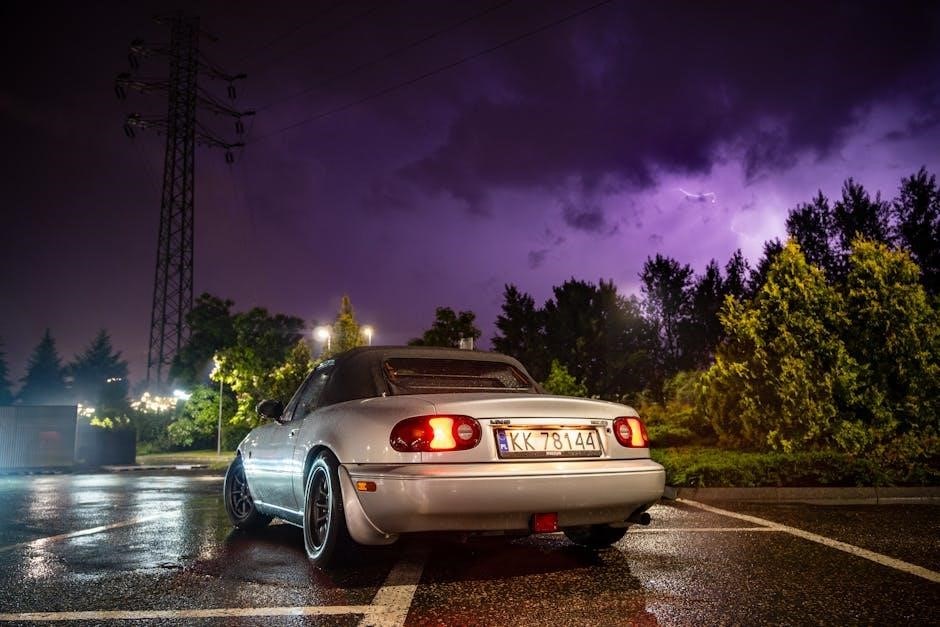
Verify the functionality of the parking brake. Finally, check the brake fluid level and condition; dark or contaminated fluid suggests it needs flushing; A properly functioning brake system is non-negotiable for a safe and enjoyable Miata ownership experience.
Rust Prevention and Inspection
Rust is a significant concern, particularly for earlier Miata generations (NA & NB). A thorough inspection is crucial, focusing on common areas like the rocker panels, rear quarter panels, floor pans, and frame rails. Use a flashlight and, if possible, a magnetic inspection tool to detect hidden rust beneath undercoating. Probe suspect areas with a screwdriver to assess the extent of corrosion.
Surface rust is often manageable, but extensive structural rust can compromise the vehicle’s integrity and be costly to repair. Consider the climate where the Miata has spent its life; vehicles from areas with harsh winters and salted roads are more prone to rust.
Preventative measures include regular washing, waxing, and applying rust inhibitors to vulnerable areas. For existing rust, professional treatment and repair are recommended. Addressing rust proactively will preserve the Miata’s longevity and value.

Common Miata Problems & What to Look For
Be aware of potential issues like rust (NA/NB), oil consumption (NC/ND), differential noise, soft top wear, and electrical gremlins during your inspection process.
Rust Issues (Especially NA & NB)
Rust is a significant concern, particularly with the NA and NB Miata generations. These earlier models are more susceptible due to thinner steel and less comprehensive factory rustproofing. Key areas to meticulously inspect include the rocker panels, both inner and outer, as these are notorious rust traps.
Pay close attention to the rear quarter panels, around the fuel filler neck, and underneath the car – specifically the frame rails and suspension mounting points. Floor pans are also vulnerable. Surface rust is often manageable, but extensive structural rust can compromise the vehicle’s safety and require costly repairs.
Look for bubbling paint, flaking metal, or obvious holes. A magnet can be a useful tool; it won’t stick to rusted areas. Remember that rust repair can be expensive, so factor this potential cost into your budget or consider it a deal-breaker if the rust is severe. Thorough inspection is crucial to avoid a costly restoration project.
Oil Consumption (NC & ND)
Excessive oil consumption is a known issue affecting some NC (2006-2015) and ND (2016-Present) Miatas, particularly those with higher mileage. While not all examples exhibit this problem, it’s a critical area to investigate during a pre-purchase inspection. The root cause often stems from piston ring wear or valve stem seal deterioration, leading to oil entering the combustion chamber.
Monitor oil levels diligently during a test drive and ask the seller for oil consumption records. A gradual decrease is normal, but needing to add a quart of oil every 1,000 miles or less is a red flag. Look for blueish smoke from the exhaust, especially upon startup, which indicates oil burning.
Compression and leak-down tests can help assess the engine’s internal condition. Addressing oil consumption can involve engine repairs or rebuilds, which can be substantial expenses. Factor potential repair costs into your offer or prioritize vehicles with documented low oil consumption.
Differential Noise
Unusual noises emanating from the differential are a common concern in used Miatas, potentially indicating wear or damage to the internal gears. These sounds often manifest as whining, clunking, or grinding, particularly during acceleration, deceleration, or cornering. It’s crucial to differentiate between normal drivetrain sounds and those signaling a problem.
During a test drive, pay close attention to any atypical noises while changing gears and navigating turns. Have a mechanic inspect the differential fluid for metal shavings, a clear sign of internal wear. A limited-slip differential (LSD), found in some trims, may exhibit some noise, but it shouldn’t be excessive or alarming.
Repairing or replacing a differential can be costly. Addressing the issue promptly prevents further damage to other drivetrain components. Document any observed noises and obtain a professional assessment before finalizing a purchase.
Soft Top Condition & Repair
The Miata’s soft top is a key element, susceptible to wear and tear from sun exposure and weather. Inspect the fabric for rips, tears, discoloration, and mildew, particularly around the seams and rear window. Check the operation of the top – it should raise and lower smoothly without excessive effort or binding.
Pay attention to the condition of the headliner, as sagging or deterioration is common. Examine the weather stripping for cracks or damage, which can lead to leaks. A leaking top can cause significant interior damage. Replacement soft tops are available, but costs vary depending on material and installation.

Minor repairs, like patching small holes, can be attempted, but a severely damaged top usually requires professional replacement. Factor potential soft top repair or replacement costs into your overall budget when evaluating a Miata.
Electrical Issues
Miatas, particularly older generations, can exhibit electrical gremlins. Thoroughly test all electrical components: headlights, taillights, turn signals, power windows, and the radio. Check for proper operation of any aftermarket accessories. Inspect the wiring harness for corrosion, damage, or signs of previous repairs.
Pay close attention to the grounding points, as poor grounding can cause intermittent electrical problems. Issues with the retractable headlight motors are relatively common in NA and NB models. Scan for any stored diagnostic trouble codes (DTCs) using an OBD-II scanner, even if the check engine light isn’t illuminated.
Electrical repairs can be time-consuming and require specialized knowledge. Factor potential electrical work into your budget, and consider a pre-purchase inspection by a qualified mechanic to identify any hidden electrical faults.