Embarking on a self-guided adventure through Scotland unlocks a realm of breathtaking landscapes and historical wonders, offering unparalleled freedom and flexibility for exploration.
Discover ancient castles, monumental battlefields, and scenic lochs at your own pace, crafting a personalized journey through this captivating country.
From the Highlands to the Isle of Skye, a self-drive itinerary allows you to immerse yourself in the true essence of Scotland’s beauty and charm.
Why Choose a Self-Guided Tour?
Opting for a self-guided tour of Scotland presents a compelling alternative to structured group travel, granting you the autonomy to curate an experience perfectly aligned with your interests and preferences. Unlike rigid itineraries, you dictate the pace, choosing where to linger and what to skip, fostering a deeper connection with the land and its culture;
This approach is ideal for travelers seeking immersive exploration, allowing spontaneous detours to hidden gems and local encounters often missed on conventional tours. The freedom to explore at your own rhythm transforms a vacation into a personal odyssey, unveiling the magic of Scotland on your terms.
Self-guided tours empower you to discover the Highlands, Isle of Skye, and St Andrews, tailoring your journey to focus on history, nature, or even golf, creating memories that resonate long after your return. It’s about crafting your Scottish story.
The Appeal of Scottish Landscapes
Scotland’s landscapes are undeniably its greatest draw, a captivating tapestry woven with rugged highlands, serene lochs, and dramatic coastlines. A self-guided tour allows for intimate immersion in this natural splendor, offering unparalleled opportunities for breathtaking vistas and unforgettable experiences.
Imagine driving through Glencoe’s majestic mountains, exploring the mystical shores of Loch Ness, or witnessing the otherworldly beauty of the Isle of Skye’s Quiraing – all at your own speed, stopping to capture the perfect photograph or simply soak in the atmosphere.
From ancient castles perched on dramatic cliffs to sprawling battlefields echoing with history, Scotland’s scenery is intrinsically linked to its rich past. A self-drive journey unveils this connection, allowing you to experience the land’s soul and understand its enduring appeal.
Planning Your Scottish Road Trip
Careful planning is essential for a seamless Scottish road trip, encompassing optimal timing, vehicle selection, and diverse accommodation choices to enhance your adventure.
Best Time to Visit Scotland
Determining the ideal time to visit Scotland hinges on your preferences regarding weather, crowds, and specific events. Generally, the shoulder seasons – April to May and September to October – present a sweet spot, offering milder temperatures, fewer tourists, and vibrant autumnal colors.
Summer (June-August) boasts the warmest weather and longest daylight hours, perfect for extended exploration, but also attracts the largest crowds and higher prices. Be prepared for potential midges, tiny biting insects, particularly in the Highlands.
Winter (November-March) unveils a dramatic, albeit colder, side of Scotland, with potential for snow-capped mountains and cozy fireside evenings. However, some attractions may have reduced hours or be closed altogether, and driving conditions can be challenging.
Consider events like the Edinburgh Fringe Festival (August) or Highland Games (throughout the summer) when planning your trip, but book accommodations well in advance if attending.
Rental Car Considerations
Securing a rental car is crucial for a successful self-guided tour of Scotland, offering the freedom to explore remote landscapes at your own pace. Booking in advance, especially during peak season, is highly recommended to secure the best rates and vehicle availability.
Consider the size of your group and the terrain you’ll be navigating. While a compact car suffices for urban areas, an SUV might be preferable for tackling Highland roads and single-track routes. Automatic transmissions are available, but manual cars are more common and often cheaper.
Familiarize yourself with the rental agreement, including insurance coverage and mileage restrictions. Ensure you understand the procedures for breakdown assistance and emergency contact information.
Remember that driving is on the left side of the road in Scotland, which may require adjustment for visitors accustomed to right-hand traffic.
Accommodation Options: From Castles to Cottages
Scotland presents a diverse range of accommodation options to suit every taste and budget, enhancing your self-guided tour experience. From luxurious castle hotels offering a regal stay to charming bed and breakfasts providing a personal touch, the choices are plentiful;
For a unique experience, consider staying in a traditional Scottish cottage, offering cozy comfort and a glimpse into local life. Numerous hotels and guesthouses are scattered throughout cities and towns, providing convenient access to attractions.
Booking in advance is advisable, particularly during peak season, to secure your preferred lodging. Websites and platforms specializing in Scottish accommodations can streamline the process.
Consider locations strategically along your planned route to minimize driving time and maximize exploration. Don’t overlook campsites for a budget-friendly and immersive outdoor experience.
Popular Scottish Routes & Itineraries
Discover iconic routes like the Highland Route and Isle of Skye, or explore Eastern Scotland; each offers unique landscapes and historical sites for unforgettable adventures.
The Classic Highland Route (8-10 Days)
Embark on the quintessential Scottish road trip, the Classic Highland Route, spanning 8 to 10 days, and immerse yourself in the dramatic beauty of the Scottish Highlands.
This journey typically begins in Edinburgh, venturing north towards Inverness, the capital of the Highlands, offering a captivating blend of city life and rugged wilderness.
Along the way, encounter majestic castles, serene lochs, and picturesque villages, each steeped in history and folklore. Consider a stop at Stirling Castle, a historically significant fortress, before continuing towards the iconic Loch Lomond and The Trossachs National Park.
Further north, explore the legendary Loch Ness, keeping an eye out for the elusive Nessie, and delve into the surrounding area’s rich cultural heritage. This route provides ample opportunities for hiking, wildlife spotting, and experiencing the true spirit of Scotland.
Allowing 8-10 days ensures a relaxed pace, enabling you to fully appreciate the breathtaking scenery and hidden gems along this celebrated route.
Edinburgh to Inverness: A Detailed Breakdown
Commencing in Edinburgh, dedicate at least two days to exploring its historic Old Town and vibrant New Town, including Edinburgh Castle and the Royal Mile.
Day three leads you north towards Stirling, visiting Stirling Castle, a pivotal location in Scottish history, before continuing to Loch Lomond & The Trossachs National Park for scenic hikes and breathtaking views.
Days four and five involve traversing through the Highlands, potentially stopping at Pitlochry, a charming Victorian town, and the Cairngorms National Park, offering opportunities for outdoor activities.
As you approach Inverness on days six and seven, explore Culloden Battlefield, a poignant site commemorating a significant historical event, and Clava Cairns, a prehistoric burial site.
Finally, spend days eight through ten in Inverness, utilizing it as a base to explore Loch Ness and the surrounding areas, completing this detailed and immersive journey from Edinburgh to the heart of the Highlands.
Exploring Loch Ness and the Surrounding Area
Loch Ness, shrouded in mystery and legend, demands at least a full day of exploration, encompassing a boat tour to search for the elusive Nessie and a visit to Urquhart Castle, dramatically perched on its shores.
Extend your adventure to the charming village of Fort Augustus, observing the Caledonian Canal’s lock system, and explore the scenic beauty of Glen Affric, often hailed as Scotland’s most beautiful glen.
Consider a drive along the south side of Loch Ness, discovering hidden viewpoints and quaint villages, or venture north to explore the rugged landscapes of Glen Moriston.
For history enthusiasts, the nearby battlefield of Culloden offers a sobering yet insightful glimpse into Scotland’s past, while the prehistoric Clava Cairns provide a mystical atmosphere.
Allow two to three days to fully immerse yourself in the captivating allure of Loch Ness and its surrounding Highland landscapes, creating unforgettable memories.
The Isle of Skye & Northwest Highlands (7 Days)
A seven-day exploration of Skye and the Northwest Highlands unveils a dramatic landscape of rugged mountains, picturesque coastlines, and enchanting villages, demanding a slower pace to fully appreciate its beauty.
Begin in Portree, Skye’s vibrant capital, using it as a base to explore the iconic Old Man of Storr and the otherworldly Quiraing, offering breathtaking hiking opportunities.
Venture north to explore the Trotternish Peninsula, discovering hidden waterfalls and dramatic cliffs, then head west to Dunvegan Castle, the ancestral home of the Clan MacLeod.
Continue your journey into the Northwest Highlands, driving the scenic North Coast 500 route, and marvel at the remote beauty of Assynt and Sutherland, with its towering mountains and pristine beaches.
This itinerary balances iconic landmarks with off-the-beaten-path discoveries, providing an unforgettable Scottish adventure.
Portree: The Isle of Skye’s Capital
Portree, the largest town on the Isle of Skye, serves as an ideal base for exploring the island’s stunning landscapes and offers a charming blend of traditional Scottish culture and modern amenities.
Its picturesque harbor, lined with brightly colored buildings, is a photographer’s dream and a hub of activity, with fishing boats returning with their daily catch.
Explore the town’s shops, offering local crafts, woolens, and Skye’s famous Talisker whisky, and savor fresh seafood in one of Portree’s many restaurants.
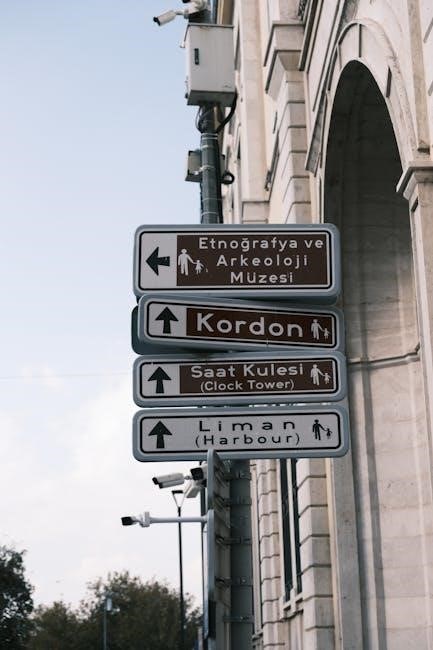
From Portree, easily access iconic landmarks like the Old Man of Storr and the Quiraing, making it a convenient starting point for hikes and scenic drives.
The town’s welcoming atmosphere and central location make it an essential stop on any Skye itinerary, offering a true taste of island life.
The Quiraing and Old Man of Storr
The Quiraing and the Old Man of Storr represent Skye’s most iconic and dramatically beautiful geological formations, attracting hikers and photographers from across the globe.
The Quiraing, a landslip on the Trotternish peninsula, presents a surreal landscape of jagged peaks, hidden plateaus, and towering rock formations, perfect for adventurous exploration.
The Old Man of Storr, a prominent pinnacle of rock, dominates the skyline and offers challenging but rewarding hikes with panoramic views of the surrounding coastline.
Allow ample time to navigate the often-muddy trails and be prepared for changeable weather conditions, ensuring a safe and enjoyable experience.
These geological wonders embody the raw, untamed beauty of Skye, providing unforgettable moments and breathtaking vistas for self-guided adventurers.
Eastern Scotland & St Andrews (4-5 Days)
Eastern Scotland offers a compelling blend of history, coastal scenery, and cultural attractions, making it an ideal extension to a Highland or Skye itinerary.
Dedicate 4-5 days to explore this region, beginning with the historic city of St Andrews, renowned as the “Home of Golf” and a significant religious center.
Explore the iconic Old Course, wander through the ruins of St Andrews Cathedral, and delve into the town’s rich academic heritage at the University of St Andrews.
Continue along the Fife coast, discovering charming fishing villages and picturesque harbors, before heading north to Dundee, a city undergoing a cultural renaissance.
Visit the V&A Dundee, a stunning design museum, and explore the city’s waterfront, offering a captivating glimpse into Scotland’s eastern charm.
St Andrews: Golf and History
St Andrews is a captivating destination steeped in both sporting legend and ecclesiastical history, drawing visitors from across the globe.
For golf enthusiasts, a pilgrimage to the Old Course is essential, offering a chance to walk in the footsteps of golfing greats and experience the challenge of this iconic links course.
Beyond golf, St Andrews boasts a rich religious heritage, evidenced by the magnificent ruins of St Andrews Cathedral, once the largest church in Scotland.
Explore St Andrews Castle, a historic fortress with dramatic coastal views, and wander through the charming streets of the town, lined with historic buildings and quaint shops.
The University of St Andrews, one of the oldest in the British Isles, adds to the town’s intellectual atmosphere, offering a glimpse into Scotland’s academic traditions.
Dundee and the Fife Coast
Dundee, a vibrant city on the Firth of Tay, offers a compelling blend of cultural attractions and maritime history, making it a worthwhile stop on any Scottish road trip.
The V&A Dundee, a stunning architectural masterpiece, showcases design from around the world, while Discovery Point tells the story of Captain Scott’s Antarctic expedition.
Venturing along the Fife coast reveals picturesque fishing villages, dramatic cliffs, and sandy beaches, offering a scenic contrast to the Highland landscapes.
Explore the historic town of St Monans, known for its charming harbor and well-preserved architecture, or visit the Secret Bunker, a fascinating Cold War relic.
The Fife Coastal Path provides opportunities for stunning walks, allowing you to soak in the coastal scenery and discover hidden gems along the way.
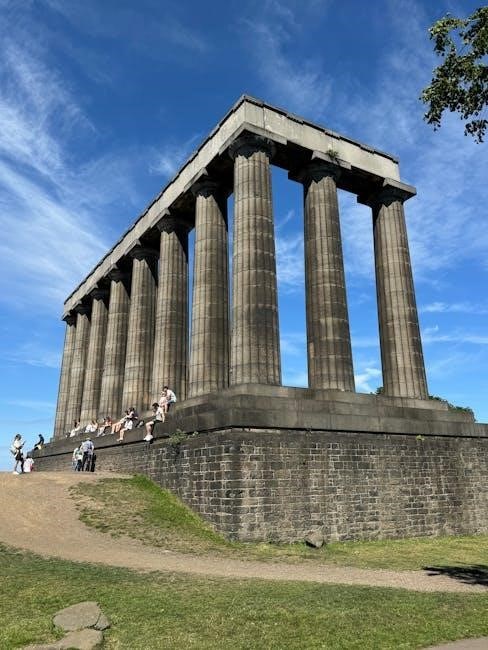
Must-See Attractions Along the Way
Scotland’s allure lies in its historic castles, iconic battlefields, and breathtaking scenic lochs and glens, enriching every self-guided tour experience.
These landmarks offer immersive glimpses into the nation’s rich heritage and stunning natural beauty, creating unforgettable memories.
Historic Castles of Scotland
Scotland is famed for its majestic castles, each whispering tales of clan warfare, royal intrigue, and centuries of history. A self-guided tour provides the perfect opportunity to explore these iconic landmarks at your leisure.
Edinburgh Castle, perched atop an extinct volcano, dominates the city skyline and offers panoramic views. Eilean Donan Castle, dramatically situated on an island where three lochs meet, is arguably Scotland’s most photographed castle.
Stirling Castle, historically significant as a royal residence and fortress, played a crucial role in Scotland’s Wars of Independence. Don’t miss Inveraray Castle, the ancestral home of the Duke of Argyll, showcasing stunning architecture and beautiful gardens.
Exploring these castles allows you to step back in time, imagining life within their walls and uncovering the captivating stories they hold. Many offer guided tours and interactive exhibits, enhancing the visitor experience.
Iconic Battlefields
Scotland’s history is etched in the landscapes of its iconic battlefields, sites where pivotal moments shaped the nation’s destiny. A self-guided tour allows for respectful exploration and contemplation of these historically significant locations.
The Battlefield of Culloden, the site of the final Jacobite rising in 1746, is a poignant and moving experience, with a visitor centre detailing the events and aftermath. Stirling Bridge, where William Wallace famously defeated the English army in 1297, offers a dramatic setting and historical insights.
Bannockburn, another crucial battlefield in the Wars of Independence, commemorates Robert the Bruce’s victory in 1314. Visiting these sites provides a powerful connection to Scotland’s past, allowing you to understand the struggles and triumphs of its people.
Interactive displays and guided walks often enhance the experience, bringing the stories of these battles to life.
Scenic Lochs and Glens
Scotland’s breathtaking scenery is defined by its majestic lochs and dramatic glens, offering unparalleled beauty for self-guided exploration. These natural wonders provide a stunning backdrop to any road trip, inviting moments of peaceful contemplation and awe-inspiring views.
Loch Ness, shrouded in mystery and legend, is a must-see, with opportunities for boat tours and monster hunting. Glencoe, a glen of haunting beauty and tragic history, offers challenging hikes and breathtaking vistas. Loch Lomond & The Trossachs National Park provides a diverse landscape of lochs, mountains, and forests.
Driving through these areas allows you to fully appreciate the scale and grandeur of the Scottish Highlands. Numerous viewpoints and walking trails offer opportunities to immerse yourself in the natural environment, capturing unforgettable memories.
Don’t forget your camera – the scenery is truly spectacular!
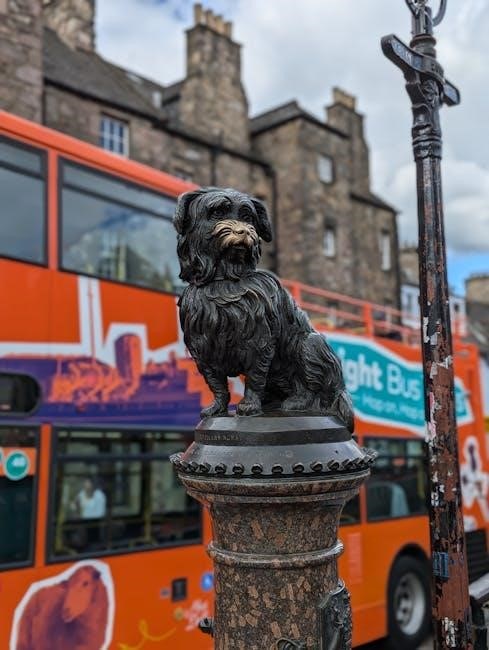
Practical Tips for Self-Driving in Scotland
Navigating Scotland’s roads requires preparation; drive on the left, understand single-track etiquette, and familiarize yourself with unique road signs for a smooth journey.
Driving on the Left
For many visitors, the most significant adjustment when self-driving in Scotland is adapting to driving on the left side of the road. This can initially feel counterintuitive, so take extra care, especially when starting your journey.
Remember that traffic flows in the opposite direction to what you might be accustomed to. Roundabouts are also navigated clockwise. Focus intently on road positioning, particularly when approaching intersections and turns.
Initially, it’s wise to choose quieter routes to build confidence. Pay close attention to lane markings and road signs. Consider having a co-driver to assist with navigation and spotting potential hazards.
Be particularly cautious when overtaking, ensuring a clear view of the road ahead. Allow yourself ample time to adjust and don’t hesitate to pull over if you feel overwhelmed. Prioritizing safety is paramount for an enjoyable Scottish road trip.
Navigating Single-Track Roads
A defining feature of the Scottish Highlands and Islands are the numerous single-track roads. These roads, often winding through stunning scenery, require a specific driving etiquette to ensure safe passage for all.
Single-track roads are typically wide enough for only one vehicle at a time. Passing places, indicated by widened sections of the road, are provided for vehicles to pull over and allow others to pass.
The general rule is that uphill-bound traffic should give way to downhill-bound traffic. However, courtesy and common sense are key. If you see a vehicle approaching, signal your intention to pull into a passing place.
Be prepared to reverse to allow others to pass if necessary. Drive slowly and cautiously, anticipating potential hazards around blind corners. Enjoy the breathtaking views, but always prioritize safe and considerate driving on these unique roads.
Understanding Scottish Road Signs
Familiarity with Scottish road signs is crucial for a smooth and safe self-guided tour. While many signs resemble those used elsewhere in the UK, some unique features require attention.
Pay close attention to signs indicating single-track roads, often marked with a solid white line on either side. Warning signs for livestock, particularly sheep, are common in rural areas, urging drivers to proceed with caution.
Distance signs are typically in miles, and speed limits are displayed in miles per hour. Be aware of signs indicating scenic routes or tourist attractions, often featuring specific symbols.
Road signs in Gaelic, the Scottish Gaelic language, may also be present, usually alongside English translations. Understanding these signs will enhance your journey and ensure you navigate Scotland’s roads with confidence and awareness.
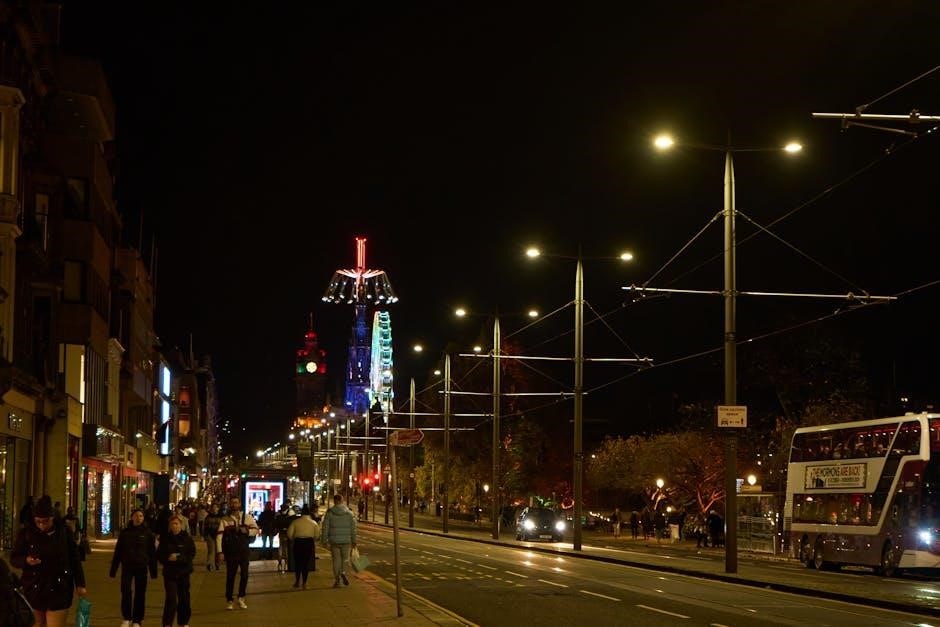
Budgeting for Your Trip
Careful financial planning is essential for a rewarding Scottish adventure, encompassing car rental, diverse accommodation choices, and engaging activities throughout your self-guided exploration.
Estimated Costs: Car Rental, Accommodation, Activities
Anticipating expenses is crucial for a smooth Scottish road trip. Car rental typically ranges from £30 to £60 per day, depending on the vehicle type and rental duration; consider insurance costs as well.
Accommodation varies significantly – budget-friendly options like hostels and guesthouses start around £40-£70 per night, while charming cottages and castle stays can exceed £150-£300 nightly.
Activities contribute substantially to the budget. Entrance fees to castles and historical sites average £10-£20 per person, while guided tours can range from £30 to £80. Factor in costs for whisky distillery visits, boat trips on Loch Ness, and outdoor adventures.
A reasonable daily budget, excluding transportation to/from Scotland, could be £80-£150 per person, depending on your travel style and preferences. Remember to account for fuel, food, and unexpected expenses.
Free Activities and Scenic Stops
Scotland generously offers a wealth of free activities and breathtaking scenic stops, enriching your self-guided tour without straining your budget. Hiking in the Highlands, exploring Glencoe’s dramatic landscapes, and wandering through charming villages are all cost-free.
Many stunning lochs, like Loch Lomond and Loch Awe, provide picturesque picnic spots and opportunities for leisurely walks. Discover hidden beaches along the coastline and enjoy the invigorating sea air.
Explore historic city centers like Edinburgh and Stirling on foot, admiring the architecture and soaking in the atmosphere. Visit free museums and art galleries to delve into Scottish culture.
Don’t overlook the numerous viewpoints offering panoramic vistas – these provide unforgettable photo opportunities and a deeper appreciation for Scotland’s natural beauty. Embrace the freedom to explore and discover hidden gems along your route!