Milton Cauliflower Pizza: A Comprehensive Cooking Guide
Discover the secrets to crafting the perfect Milton’s Cauliflower Pizza, even if you’re a latecomer to this delightful trend – a truly satisfying culinary experience!
Milton’s Cauliflower Pizza represents a delightful fusion of health-conscious eating and pizza indulgence. Initially, many pizza purists were skeptical, but the surprisingly delicious results have won over countless converts. This guide is designed for everyone, from those completely new to cauliflower crusts to seasoned cooks looking to refine their technique.
The journey began with a simple desire: to enjoy pizza without the guilt often associated with traditional, carbohydrate-heavy crusts. The appeal lies in its ability to mimic the satisfying texture of conventional pizza while significantly boosting nutritional value. Don’t be discouraged if your first attempt isn’t perfect; mastering the cauliflower crust takes practice, but the reward – a guilt-free, flavorful pizza – is well worth the effort. We’ll explore every step, ensuring success!
What Makes Milton’s Cauliflower Pizza Unique?
Milton’s Cauliflower Pizza distinguishes itself through a commitment to both flavor and a healthier pizza experience. Unlike some cauliflower crusts that can be soggy or bland, Milton’s focuses on achieving a remarkably crisp texture and robust taste. This isn’t simply about substituting cauliflower for flour; it’s about transforming it into a genuinely enjoyable base.
The key lies in meticulous preparation – from properly steaming or roasting the cauliflower to effectively removing excess moisture. This process is crucial for preventing a mushy crust. Furthermore, the careful balance of binding agents, seasonings, and pre-baking techniques contribute to its unique structural integrity and savory profile. It’s a pizza that doesn’t feel like a compromise, offering a satisfying alternative for those seeking a lighter option.
Understanding the Cauliflower Crust
The cauliflower crust represents a significant departure from traditional pizza bases, demanding a different approach to both preparation and expectation. It’s fundamentally a vegetable-based structure, meaning it won’t behave identically to dough made with wheat flour. Achieving a firm, yet palatable texture requires understanding cauliflower’s natural composition.
Cauliflower, when cooked, releases substantial moisture. This is the primary challenge in crust creation. Successful crusts rely on removing this excess water through methods like steaming, roasting, and squeezing. Binding agents – eggs, cheese, or vegan alternatives – are then incorporated to provide structure and cohesion. The resulting mixture is spread thinly and pre-baked to solidify before toppings are added. It’s a delicate balance of moisture control and binding to create a stable, flavorful base.
Benefits of a Cauliflower Crust
Embracing a cauliflower crust unlocks a wealth of nutritional advantages and dietary flexibility. For those mindful of carbohydrate intake, it’s a fantastic low-carb alternative to traditional pizza dough, offering a guilt-free indulgence. Cauliflower is naturally low in calories and rich in vitamins C and K, as well as fiber, contributing to a healthier meal.
Beyond the nutritional benefits, a cauliflower crust caters to various dietary needs. It’s naturally gluten-free, making it suitable for individuals with celiac disease or gluten sensitivity. Furthermore, it provides a vehicle for increasing vegetable consumption, subtly incorporating more nutrients into a beloved comfort food. It’s a versatile option that doesn’t compromise on flavor, allowing for a satisfying and wholesome pizza experience.
Sourcing Cauliflower for Pizza
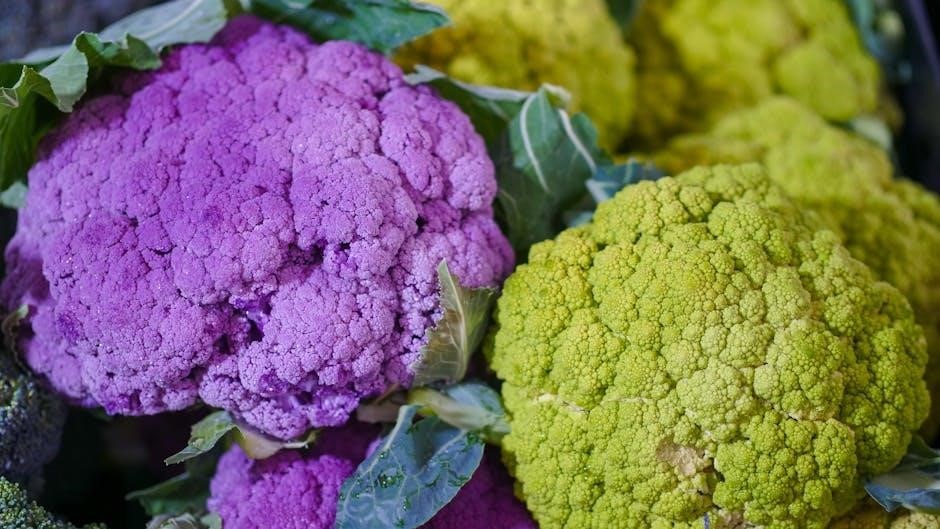
Selecting the right cauliflower is crucial for a successful Milton’s Cauliflower Pizza. Fresh cauliflower heads should be firm, heavy for their size, and exhibit a creamy white color, avoiding any signs of brown spots or wilting. Look for heads that are proportionate, with tightly packed florets – this indicates freshness and density.

While fresh cauliflower is ideal, frozen cauliflower florets can be a convenient alternative, particularly when fresh produce is out of season. Ensure the frozen florets are unseasoned and have not been pre-cooked. Pre-cut cauliflower florets from the produce section can save time, but verify their freshness. Consider purchasing organic cauliflower when possible, to minimize pesticide exposure. Ultimately, quality cauliflower translates to a superior crust texture and flavor.
Preparing the Cauliflower Base
Begin by washing the cauliflower thoroughly under cold water, removing any dirt or debris. Separate the cauliflower into manageable florets, ensuring they are roughly the same size for even cooking. Next, you’ll need to decide between steaming or roasting – both methods soften the cauliflower for processing. Steaming preserves more moisture, while roasting imparts a slightly nutty flavor.
Regardless of your chosen method, avoid overcooking; the cauliflower should be tender but still hold its shape. Once cooked, allow the cauliflower to cool slightly before proceeding to the next step. Proper preparation is key to achieving a cohesive and flavorful cauliflower base for your Milton’s Pizza.
Steaming or Roasting the Cauliflower
For steaming, place the cauliflower florets in a steamer basket over boiling water, cover, and cook for approximately 8-10 minutes, or until tender-crisp. Alternatively, roasting involves tossing the florets with a little olive oil, salt, and pepper, then spreading them in a single layer on a baking sheet. Roast at 400°F (200°C) for 15-20 minutes, flipping halfway through, until slightly browned and tender.
The choice depends on your preference; steaming yields a softer texture, ideal for a smoother crust, while roasting adds depth of flavor. Remember, the goal isn’t fully cooked cauliflower, but a texture that’s easily processed. Avoid mushiness – slightly firm florets are perfect for creating a sturdy pizza base.
Draining and Processing the Cauliflower
After steaming or roasting, allow the cauliflower to cool slightly. This is crucial for safe handling and prevents the food processor from overheating. Next, transfer the cooked cauliflower to a clean kitchen towel or several layers of cheesecloth. The key here is removing excess moisture! Squeeze firmly – and repeatedly – to extract as much water as possible. This step is non-negotiable for a crispy crust.
Once thoroughly drained, transfer the cauliflower to a food processor. Pulse until it resembles rice-like granules. Avoid over-processing into a paste; a slightly textured consistency is desired. You may need to do this in batches to prevent overcrowding the processor. Properly drained and processed cauliflower is the foundation of a successful Milton’s Cauliflower Pizza.
Creating the Crust Mixture
Now, combine the processed cauliflower “rice” with your chosen binding agent – typically eggs and cheese. Start with one egg per cup of cauliflower, and approximately ½ cup of shredded mozzarella or a similar melting cheese. Don’t skimp on the cheese; it’s vital for binding and achieving a desirable texture. Mix thoroughly until a dough-like consistency forms. The mixture should hold together when pressed, but not be overly sticky.
If the mixture seems too wet, add a tablespoon of almond flour or grated Parmesan cheese to absorb excess moisture. Conversely, if it’s too dry, add another egg yolk. Remember, the ideal consistency is key to a sturdy and flavorful Milton’s Cauliflower Pizza crust.
Binding Agents: Eggs, Cheese & Alternatives
Eggs are traditionally the primary binder in cauliflower pizza crusts, providing structure and helping the crust hold its shape. Cheese, particularly mozzarella, adds flavor and further enhances binding. However, for vegan or egg-free options, flax eggs (1 tbsp flaxseed meal + 3 tbsp water, let sit for 5 minutes) work remarkably well.
Nutritional yeast can mimic the cheesy flavor, while mashed sweet potato or pumpkin puree can contribute to binding and moisture. Experimenting with combinations is encouraged! A blend of flax egg and nutritional yeast, or sweet potato and vegan cheese, can yield excellent results. Remember to adjust quantities based on the cauliflower’s moisture content for optimal Milton’s Cauliflower Pizza crust integrity.
Seasoning the Cauliflower Crust
Elevating the flavor of your cauliflower crust is crucial! Don’t underestimate the power of simple seasonings. Italian seasoning is a classic choice, providing a blend of herbs that complements pizza toppings beautifully. Garlic powder and onion powder add savory depth, while a pinch of red pepper flakes introduces a subtle warmth.

For a more complex flavor profile, consider adding dried oregano, basil, or thyme. Salt and pepper are, of course, essential, but be mindful of the salt content in any cheese you’ll be using. Experiment with smoked paprika for a smoky undertone or nutritional yeast for a cheesy flavor boost. Proper seasoning ensures your Milton’s Cauliflower Pizza crust isn’t bland and enhances the overall taste experience.
Pre-Baking the Cauliflower Crust
Pre-baking is a vital step in achieving a sturdy and crispy cauliflower crust. After forming your crust on a parchment-lined baking sheet, bake it at 375°F (190°C) for approximately 20-25 minutes. This initial bake helps to remove excess moisture and sets the crust, preventing it from becoming soggy when topped.
Keep a close watch; the goal is to lightly golden the crust, not fully cook it. A slightly firm texture indicates it’s ready for toppings. If the crust seems too soft after the initial bake, return it to the oven for another 5-10 minutes. Pre-baking ensures your Milton’s Cauliflower Pizza holds its shape and provides a stable base for your favorite toppings, resulting in a more enjoyable pizza experience.
Achieving a Crispy Crust Texture
The key to a truly satisfying Milton’s Cauliflower Pizza lies in achieving a crispy crust. Beyond pre-baking, several techniques contribute to this desirable texture. Thoroughly draining the cooked cauliflower is paramount – excess moisture is the enemy of crispiness! Pressing the cauliflower with cheesecloth or a clean kitchen towel removes even more liquid.
Consider adding a thin layer of grated Parmesan cheese directly onto the parchment paper before spreading the cauliflower mixture; this creates a delightful, crispy base. Baking at a slightly higher temperature during the final bake (around 400°F/200°C) also helps. Don’t overload the toppings, as this can weigh down the crust and prevent it from crisping up properly. Patience and these techniques will reward you with a wonderfully textured pizza!
Troubleshooting Common Crust Issues
If your Milton’s Cauliflower Pizza crust is too soggy, insufficient moisture removal is likely the culprit. Ensure you’ve thoroughly drained and pressed the cooked cauliflower. A longer pre-bake time can also help solidify the crust before adding toppings. Conversely, if the crust is crumbling, it may lack sufficient binding agents – add an extra egg or a tablespoon of cheese to the mixture.

For uneven baking, rotate the pizza halfway through the baking process. If the crust burns before the toppings are cooked, lower the oven temperature slightly or cover the edges with foil. Remember, cauliflower crusts are more delicate than traditional dough, so gentle handling is crucial. Don’t be discouraged by initial attempts; practice makes perfect!
Topping Your Milton’s Cauliflower Pizza
Now for the fun part: topping your Milton’s Cauliflower Pizza! Because the crust is lighter, avoid overloading it with too many heavy ingredients. Start with a flavorful sauce – marinara, pesto, or even a creamy garlic sauce work wonderfully. Cheese is essential, and a blend of mozzarella and provolone offers a classic, satisfying melt.
Consider lighter toppings like roasted vegetables (peppers, onions, mushrooms), lean proteins (grilled chicken, turkey pepperoni), and fresh herbs. Don’t be afraid to experiment! Pineapple, spinach, and artichoke hearts are all excellent choices. Remember to distribute toppings evenly to ensure consistent cooking and prevent soggy spots. A sprinkle of red pepper flakes adds a delightful kick!
Sauce Selection for Cauliflower Pizza
Choosing the right sauce is crucial for a delicious Milton’s Cauliflower Pizza. Traditional marinara is a classic choice, providing a familiar and comforting flavor base. However, don’t limit yourself! Pesto offers a vibrant, herbaceous alternative, pairing beautifully with roasted vegetables and mozzarella.
For a creamy twist, consider a garlic Alfredo sauce or a light béchamel. If you prefer something spicy, a Calabrian chili sauce adds a delightful kick. Remember that cauliflower crusts are more delicate than traditional dough, so avoid overly wet sauces that could make the pizza soggy. A thinner layer of sauce is generally best, allowing the other flavors to shine through. Experiment and find your perfect pairing!
Cheese Choices and Combinations
Selecting the ideal cheese elevates Milton’s Cauliflower Pizza to new heights. Mozzarella is a staple, offering a classic melt and mild flavor. However, exploring beyond the basics unlocks exciting possibilities! Provolone adds a slightly sharper, tangier note, while Parmesan provides a salty, umami-rich finish.
Consider combining cheeses for a complex flavor profile. A blend of mozzarella, provolone, and a sprinkle of Parmesan is a winning combination. For a bolder taste, try adding crumbled feta or goat cheese. Remember that cheese acts as a binder and adds moisture, so adjust the amount based on your sauce and toppings. Don’t be afraid to experiment and discover your favorite cheesy creation!
Popular Topping Ideas
Milton’s Cauliflower Pizza is a blank canvas for your culinary creativity! Classic pepperoni and mushroom combinations remain eternally popular, offering familiar comfort. For a Mediterranean twist, consider sun-dried tomatoes, Kalamata olives, and feta cheese. Spice lovers will adore a topping of jalapeños, chorizo, and a drizzle of hot sauce.
Vegetarian options abound – roasted vegetables like bell peppers, onions, and zucchini create a colorful and flavorful pizza. Pineapple and ham, a controversial yet beloved choice, also works wonderfully on a cauliflower crust. Don’t limit yourself! Experiment with different herbs, spices, and sauces to create a pizza that perfectly suits your taste. Fresh basil, oregano, and a balsamic glaze can elevate any topping combination.
Baking the Finished Pizza
Once topped, your Milton’s Cauliflower Pizza is ready for the oven! Preheat your oven to 400°F (200°C) for optimal baking. Place the pizza directly on a pizza stone or baking sheet lined with parchment paper. Bake for 12-15 minutes, or until the cheese is melted, bubbly, and lightly golden brown.
Keep a close eye on the crust during baking; cauliflower crusts can sometimes brown faster than traditional crusts. If the crust starts to darken too quickly, reduce the oven temperature slightly or cover the edges with foil. Checking for doneness involves ensuring the crust is firm and golden underneath, and the toppings are heated through. Let the pizza cool for a few minutes before slicing and serving – enjoy!
Optimal Baking Temperature & Time
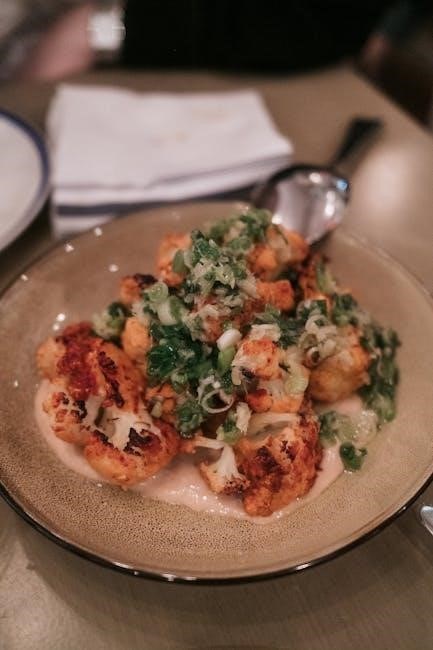
Achieving the perfect bake with Milton’s Cauliflower Pizza requires precision. A temperature of 400°F (200°C) is generally ideal, providing enough heat to crisp the crust without burning the toppings. Initial baking should last between 12-15 minutes, but this can vary based on your oven and the thickness of your crust.
For a crispier crust, consider a slightly longer bake time, closely monitoring to prevent over-browning. If you notice the cheese melting too quickly, reduce the temperature to 375°F (190°C) for the remaining bake time. Consistent oven temperature is key; avoid opening the oven door frequently during baking to maintain even heat distribution and ensure a beautifully cooked pizza.
Checking for Doneness
Determining when Milton’s Cauliflower Pizza is perfectly baked involves assessing both the crust and the toppings. The crust should be golden brown and firm to the touch – a gentle press shouldn’t leave a significant indentation. Lift a slice to check the underside; it should be crisp and slightly browned, avoiding any signs of sogginess.
Regarding the toppings, the cheese should be melted, bubbly, and lightly browned. Ensure any meat toppings are cooked through. If the crust is browning too quickly but the cheese isn’t fully melted, cover the pizza loosely with foil for the final few minutes of baking. Visual cues and a quick texture check are your best indicators of a perfectly done Milton’s Cauliflower Pizza!
Serving and Storage
To best enjoy your freshly baked Milton’s Cauliflower Pizza, serve it immediately for optimal crispness. A sprinkle of fresh herbs, like basil or oregano, can elevate the flavors. For a delightful presentation, slice it into wedges and pair it with a fresh side salad. Leftover pizza can be stored in an airtight container in the refrigerator for up to three days.
Reheating is key to restoring some of the original texture. A quick reheat in a preheated oven at 350°F (175°C) for 5-10 minutes will crisp up the crust. Alternatively, a skillet on medium heat can also work well. Proper storage and reheating methods ensure your Milton’s Cauliflower Pizza remains delicious!
Best Ways to Serve Milton’s Pizza
Milton’s Cauliflower Pizza shines when served fresh from the oven, boasting a delightful crispness. Consider a simple presentation – sliced into attractive wedges, perfect for sharing. Enhance the experience with complementary sides like a vibrant green salad dressed with a light vinaigrette, or a selection of colorful roasted vegetables. A sprinkle of red pepper flakes adds a touch of heat for those who enjoy it;
For a more sophisticated touch, drizzle a balsamic glaze over the finished pizza. Pair it with a crisp white wine or a refreshing sparkling water. Don’t underestimate the power of fresh herbs; a scattering of basil or parsley elevates both flavor and visual appeal. Enjoy!
Storing Leftover Cauliflower Pizza

Leftover Milton’s Cauliflower Pizza is best stored in an airtight container in the refrigerator. To maintain some crispness, place a paper towel beneath the slices to absorb any excess moisture. Expect a slight textural change upon reheating, as the crust won’t be quite as firm as when freshly baked. Reheating methods include a conventional oven, toaster oven, or even a skillet on the stovetop.
For optimal results, reheat at a moderate temperature (around 350°F/175°C) for 5-10 minutes. Avoid microwaving if you desire a crispy crust, as it tends to make it soggy. Properly stored, leftover pizza will remain palatable for up to 3 days. Enjoy a second serving of this guilt-free delight!