
Navigating landlord taxes requires understanding allowable deductions, significantly impacting profitability and tax liability; maximizing savings is crucial for financial success.

Why Understanding Deductions is Crucial for Landlords
For landlords, a firm grasp of tax deductions isn’t merely beneficial—it’s essential for maximizing profitability. Failing to utilize all eligible deductions directly translates to a higher tax burden, diminishing your return on investment. These deductions reduce your taxable rental income, leading to substantial savings.
Accurate deduction claiming ensures compliance with IRS regulations, avoiding potential penalties and audits. Landlords must meticulously track expenses like mortgage interest, property taxes, repairs, and operating costs. The recent “One Big Beautiful Bill” extends certain tax cuts, potentially impacting deduction amounts, so staying informed is vital. Proper recordkeeping, including receipts and invoices, is paramount for substantiating claims. Ultimately, understanding and leveraging these deductions empowers landlords to optimize their financial outcomes.
Tax Year Relevance (Focus on Current & Upcoming Changes ⎼ 2026)
Tax laws impacting landlords are dynamic, necessitating vigilance regarding yearly updates. As of February 17, 2026, landlords should be aware of changes stemming from recent legislation like the “One Big Beautiful Bill.” This bill permanently extends certain Tax Cuts and Jobs Act provisions, including adjustments to the State and Local Tax (SALT) deduction cap, potentially affecting property tax deductions.
Furthermore, modifications to energy credits under the Inflation Reduction Act may offer new deduction opportunities for energy-efficient property improvements. Landlords must also monitor evolving regulations concerning income reporting, specifically regarding advance rent and tenant-paid expenses. Staying current with these changes—and consulting with a tax professional—is crucial for accurate filing and maximizing tax savings in the 2026 tax year and beyond.

Common Rental Property Tax Deductions
Landlords can deduct essential expenses like mortgage interest, property taxes, repairs, maintenance, depreciation, and property management fees to lower taxable rental income.
Mortgage Interest Deduction
A significant benefit for landlords is the ability to deduct mortgage interest paid on loans used to purchase rental properties. This deduction substantially reduces taxable income, offering considerable tax savings. The IRS allows landlords to deduct all ordinary and necessary expenses related to managing and maintaining their rental properties, and mortgage interest clearly falls into this category.
It’s crucial to keep accurate records of all mortgage interest payments made throughout the tax year, typically found on Form 1098 provided by your lender. This form details the total interest paid, simplifying the deduction process. Remember, this deduction applies to both the principal residence if rented out, and investment properties. Understanding this deduction is fundamental to maximizing your tax benefits as a landlord, contributing to a healthier bottom line.
Property Tax Deduction
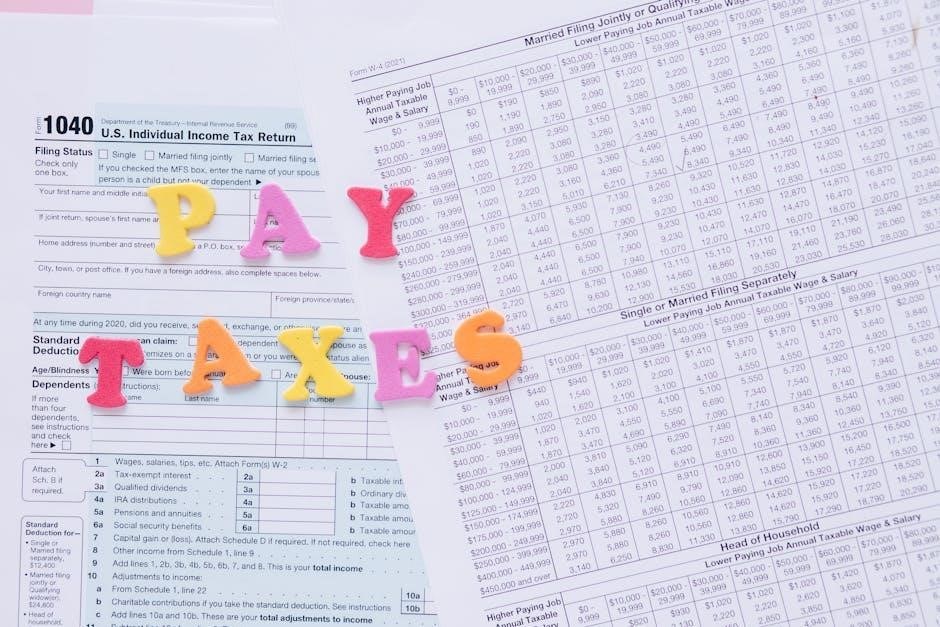
Landlords can deduct property taxes paid on their rental properties, representing another substantial tax benefit. Like mortgage interest, property taxes are considered an ordinary and necessary expense for owning and operating a rental business, directly reducing taxable rental income. This deduction applies to both real estate taxes and personal property taxes levied on the rental unit.
Accurate record-keeping is vital; retain property tax bills and assessment notices throughout the year. The IRS requires documentation to support claimed deductions. It’s important to note that limitations may apply, particularly concerning the State and Local Tax (SALT) deduction cap, potentially impacting the total deductible amount. Staying informed about current tax laws and consulting with a tax professional ensures you maximize this deduction and maintain compliance.
Repairs and Maintenance Expenses
Landlords can deduct ordinary and necessary expenses for property repairs and maintenance, crucial for keeping the rental in good operating condition. These costs encompass a wide range of items, from fixing leaky faucets and patching walls to routine landscaping and appliance repairs. These deductions directly reduce taxable rental income, boosting profitability.
However, a key distinction exists between repairs and improvements. Repairs maintain the property’s current condition, while improvements add value or extend its life – improvements are depreciated, not immediately deducted. Careful categorization is essential. Maintaining detailed records of all repair and maintenance expenses, including invoices and receipts, is vital for substantiating claims during a tax audit.
Distinguishing Between Repairs and Improvements
The IRS differentiates between repairs and improvements based on their impact on the property. Repairs keep a property in good working order – think fixing a broken window or patching a roof leak; These are deductible in the year they occur. Improvements, however, add to the property’s value, prolong its life, or adapt it to new uses, like adding a new bathroom or replacing the entire roof.
Improvements aren’t immediately deductible; instead, they’re depreciated over their useful life. Correctly classifying these expenses is critical. For example, replacing a broken water heater is a repair, but upgrading to a more efficient model is an improvement. Thorough documentation, including detailed invoices, is essential to justify your classification to the IRS during an audit.

Depreciation Deduction
Depreciation allows landlords to deduct a portion of a rental property’s cost over its useful life, recognizing that assets wear out over time. This isn’t a cash expense, but a non-cash deduction reflecting the decline in value. Landlords can depreciate the building itself, but not the land, as land doesn’t depreciate; The IRS sets depreciation periods – typically 27.5 years for residential rental property.
Calculating depreciation involves determining the property’s basis (cost minus land value) and applying the appropriate depreciation method. Understanding these methods is crucial for maximizing tax benefits. Proper record-keeping of the original purchase price, improvements, and depreciation claimed each year is vital for accurate tax reporting and avoiding potential issues with the IRS.
Understanding Depreciation Methods
The most common depreciation method is the straight-line method, dividing the property’s depreciable basis equally over its useful life (27.5 years for residential rentals). However, other methods exist, like the Modified Accelerated Cost Recovery System (MACRS), allowing for faster depreciation in the early years. MACRS offers different recovery periods depending on the property type.
Choosing the right method impacts your tax liability. Accelerated methods can provide larger deductions upfront, potentially lowering taxes now, but smaller deductions later. Consulting a tax professional is recommended to determine the most advantageous method for your specific situation. Accurate calculation and consistent application of the chosen method are essential for compliance and maximizing tax savings.
Property Management Fees
Landlords utilizing property management services can deduct these fees as a rental expense. This encompasses a wide range of services, including tenant screening, rent collection, property maintenance coordination, and handling tenant communications. These fees are considered ordinary and necessary expenses for operating a rental property, directly contributing to its upkeep and profitability.
Whether you employ a full-service property management company or pay for individual services, maintain detailed records of all payments. Proper documentation is crucial for substantiating these deductions during a tax audit. Deducting property management fees reduces your taxable rental income, ultimately lowering your overall tax burden and improving your return on investment.

Operating Expenses
Essential costs to maintain a rental property, like advertising, insurance, and utilities (if landlord-paid), are deductible, reducing taxable income and boosting profitability.
Advertising Costs
Landlords can deduct expenses incurred for advertising their rental properties, a crucial aspect of maintaining occupancy and minimizing vacancy periods. This encompasses a wide range of promotional activities, including online listings on platforms like Zillow, Apartments.com, and social media advertising campaigns. Traditional methods, such as newspaper advertisements or printed flyers, also qualify for deduction.
The key requirement is that the advertising must be directly related to seeking or obtaining tenants. Costs associated with creating a website specifically for rental listings are generally deductible, as are fees paid to rental agencies for marketing the property. However, expenses for improving the property itself, even if advertised as an upgrade, are typically categorized as improvements and subject to depreciation, not immediate deduction. Detailed record-keeping of all advertising expenditures is essential for substantiating these deductions during a tax audit.
Insurance Premiums
Rental property insurance premiums are generally fully deductible as an operating expense, representing a significant tax benefit for landlords. This includes various types of insurance policies essential for protecting your investment, such as property insurance covering damage from fire, storms, or other covered perils. Landlords can also deduct the cost of liability insurance, which protects against claims of injury or property damage occurring on the rental premises.
Flood insurance, if required, is also deductible. However, premiums for life insurance where the landlord is the beneficiary are not deductible. It’s crucial to only deduct the portion of a policy premium directly related to the rental property; if a policy covers both a rental and a personal residence, only the rental portion is deductible. Maintaining detailed records of all insurance payments and policy details is vital for accurate tax reporting and potential audit defense.
Utilities (If Paid by Landlord)
When a landlord directly pays for utilities – such as electricity, gas, water, or trash removal – for a rental property, these costs are typically deductible as operating expenses. This is common in situations where utilities are included in the rent or when the property is vacant between tenants. However, it’s essential to understand the specific circumstances, as deductibility can be affected by lease agreements and local regulations;
If the lease requires tenants to reimburse the landlord for utilities, the landlord can deduct the actual costs incurred. If the reimbursement doesn’t fully cover the costs, the difference is deductible. Accurate record-keeping of utility bills and tenant reimbursements is crucial. Deducting utility costs helps reduce taxable income, improving overall profitability, but proper documentation is key to substantiating these deductions during an audit.

Less Common, But Important Deductions
Explore often-overlooked deductions like home office expenses, travel related to property management, and legal/professional fees to maximize tax savings effectively.
Home Office Deduction (For Qualifying Landlords)
Landlords can potentially deduct expenses for a dedicated home office space, but strict IRS guidelines must be met to qualify. The space must be exclusively and regularly used for rental property management activities – think bookkeeping, tenant communication, and administrative tasks.
It cannot be a space used for personal purposes, even occasionally. You can calculate the deduction using the simplified method (a standard rate per square foot) or the regular method (allocating a percentage of home expenses like mortgage interest, rent, utilities, and insurance based on the office’s square footage).
Careful recordkeeping is essential, documenting the exclusive use and regular basis of the space. This deduction can significantly reduce taxable income, but improper claiming can trigger an audit, so ensure full compliance with IRS regulations.
Travel Expenses (Related to Property Management)
Landlords can deduct ordinary and necessary travel expenses directly related to managing their rental properties, but limitations and careful documentation are key. Deductible expenses include transportation costs (car mileage, airfare, train tickets), lodging, and meals – however, meal deductions are typically limited to 50%.
Travel must be primarily for property management purposes, such as inspecting properties, meeting with tenants, or overseeing repairs. Personal vacations combined with property management activities require careful allocation of expenses.

Maintaining a detailed travel log documenting dates, destinations, business purpose, and expenses is crucial for substantiation. Remember to use standard mileage rates or actual vehicle expenses, and always adhere to IRS guidelines to avoid potential issues during tax season.
Legal and Professional Fees
Landlords can deduct reasonable legal and professional fees paid for services related to their rental property, significantly reducing their taxable income. These deductible expenses encompass costs for attorneys, accountants, and tax preparers directly involved in managing the rental business.
Examples include fees for drafting or reviewing leases, handling eviction proceedings, resolving tenant disputes, and obtaining legal advice concerning property management. Crucially, expenses must be directly connected to the rental activity to qualify.
Accounting and tax preparation fees are also deductible, provided they relate to preparing Schedule E (Supplemental Income and Loss) or other tax forms for the rental property. Maintaining detailed invoices and records of services rendered is essential for proper documentation and substantiation during an audit.
Accounting and Tax Preparation Fees
Deducting accounting and tax preparation fees is a significant benefit for landlords, simplifying tax compliance and reducing overall tax liability. These fees, incurred for preparing tax forms related to rental income and expenses, are considered ordinary and necessary business expenses.
Specifically, costs associated with completing Schedule E (Supplemental Income and Loss) – the form used to report rental income and deductions – are fully deductible. This includes fees paid to certified public accountants (CPAs), enrolled agents, or even tax software subscriptions used specifically for rental property tax preparation.
Maintaining detailed receipts and invoices is crucial for substantiating these deductions in case of an audit. Proper recordkeeping ensures landlords can confidently claim these expenses and maximize their tax savings, contributing to a healthier bottom line.

Income Reporting & Deduction Considerations
Accurate income reporting and diligent recordkeeping are paramount, alongside understanding the impact of recent tax legislation like the Tax Cuts and Jobs Act.
Reporting Rental Income Accurately
Landlords must comprehensively report all rental income received, extending beyond standard monthly rent payments. This includes advance rent collected, expenses paid directly by tenants on the landlord’s behalf, and any property or services tenants provide in lieu of rent. Lease payments incorporating an option to buy, lease cancellation payments received, and specific security deposits also constitute taxable rental income.
Failing to accurately report all income sources can lead to penalties and interest charges during an IRS audit. Maintaining meticulous records of all financial transactions related to the rental property is essential for demonstrating compliance. Utilizing accounting software or working with a qualified tax professional can significantly streamline this process and ensure accurate reporting, minimizing potential tax liabilities and maximizing eligible deductions.
Recordkeeping Best Practices
Diligent recordkeeping is paramount for landlords seeking to maximize tax deductions and ensure audit readiness. Maintain organized documentation of all income and expenses, including rent receipts, invoices, bank statements, and cancelled checks. Digital recordkeeping systems offer efficiency and accessibility, but physical copies should be retained as backups.
Categorize expenses meticulously – mortgage interest, property taxes, repairs, and so on – to simplify tax preparation. Regularly reconcile bank statements with your records to identify discrepancies promptly. Keep records for at least three years after filing your return, as the IRS can audit returns from prior years. A well-maintained recordkeeping system not only simplifies tax time but also provides valuable insights into your property’s financial performance.
Impact of Tax Cuts and Jobs Act (and Subsequent Legislation)
The Tax Cuts and Jobs Act (TCJA) of 2017 brought significant changes impacting landlords, many of which have been extended or modified by subsequent legislation like the “One Big Beautiful Bill” passed in 2026. Notably, the TCJA initially placed limitations on the deduction for state and local taxes (SALT), including property taxes, but recent changes have increased the cap.
Landlords should be aware of evolving energy credit provisions stemming from the Inflation Reduction Act, potentially offering deductions for energy-efficient improvements. Changes to tax rules regarding tips and overtime for workers may also indirectly affect landlords employing property management staff. Staying informed about these legislative updates is crucial for accurate tax planning and maximizing allowable deductions, ensuring compliance and optimized tax savings.