Bike Purchase Guide: Finding the Right Ride

Navigating the world of bicycles can be daunting! This guide simplifies the process‚ helping beginners find the perfect bike in 2024/2026‚ considering needs and budget.
Understanding Your Cycling Needs
Before diving into models‚ honestly assess your cycling goals. Are you envisioning leisurely weekend rides‚ a daily commute‚ tackling challenging trails‚ or pursuing fitness? Beginners often underestimate the importance of this initial step. Consider the terrain you’ll frequently encounter – smooth pavement‚ gravel paths‚ or rugged mountain landscapes.
Think about your desired intensity level. Do you prefer relaxed cruising or fast-paced workouts? Your fitness level also plays a crucial role. A heavier mountain bike might be overkill for primarily road cycling‚ while a lightweight road bike won’t handle off-road adventures effectively. Defining these needs narrows your search considerably.
Defining Bike Types: Road‚ Mountain‚ Hybrid‚ and More
Road bikes prioritize speed and efficiency on paved surfaces‚ featuring drop handlebars and lightweight frames. Mountain bikes are built for off-road trails‚ boasting suspension and durable construction. Hybrid bikes offer versatility‚ blending features of both for comfortable riding on various terrains. Beyond these‚ you’ll find gravel bikes (for mixed surfaces)‚ touring bikes (for long distances)‚ and electric bikes (with motor assistance).
Understanding these distinctions is key. A beginner might lean towards a hybrid for its adaptability‚ while someone focused on fitness might prefer a road bike. Consider the Specialized Allez as a starting point‚ or a Cannondale Trail for off-road exploration.
Road Bikes: Speed and Efficiency
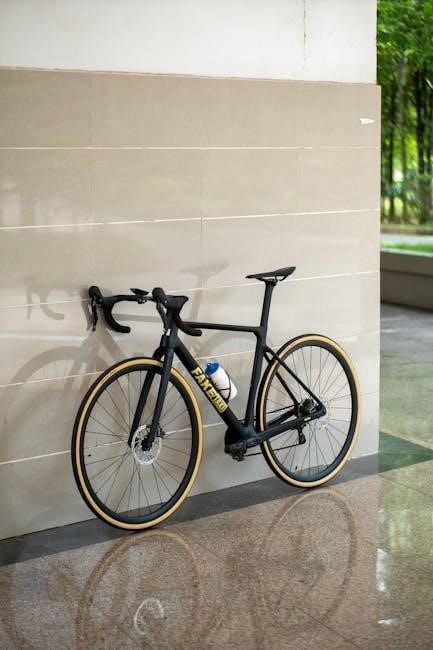
Road bikes excel at covering distances quickly and efficiently on paved roads. Their lightweight frames‚ typically aluminum or carbon fiber‚ minimize effort. Drop handlebars offer multiple hand positions for comfort and aerodynamics. Narrow tires reduce rolling resistance‚ enhancing speed. These bikes are ideal for fitness riding‚ commuting‚ or participating in road cycling events.
Beginners should consider endurance-focused road bikes for a more relaxed geometry. Models like the Schwinn Discover or Vilano Aluminum Road Bike provide a good entry point. Upgrading tires‚ like on a Specialized Allez‚ can significantly improve performance.
Beginner Road Bike Considerations (2024/2026)
When selecting a first road bike in 2024/2026‚ prioritize comfort and fit over top-tier components. Aluminum frames offer a good balance of affordability and durability. Look for bikes with a slightly more relaxed geometry – less aggressive positioning is kinder to new riders. Consider bikes like the Vilano Aluminum or Tommaso Imola.
Focus on reliable brakes and a wide enough gear range to tackle varied terrain. Don’t overspend initially; fitness gains matter more than expensive equipment. Remember‚ upgrading components like tires is easier than replacing an entire bike!
Popular Beginner Road Bike Models (Schwinn‚ Vilano‚ Tommaso)
Schwinn offers accessible options‚ while Vilano provides excellent value for money‚ particularly their Aluminum Road Bike. The Tommaso Imola Endurance Road Bike stands out for its comfortable geometry and reliable components‚ making it ideal for longer rides. These models consistently appear on “best of” lists for beginners in 2024.
Each brand caters to different budgets and preferences. Consider the Schwinn Discover Hybrid if road riding isn’t your sole focus. Remember to prioritize fit and test ride before committing‚ ensuring a comfortable and enjoyable cycling experience.
Mountain Bikes: Off-Road Adventures
Mountain bikes are built for tackling rough terrain‚ offering durability and suspension for a comfortable ride on trails. They differ significantly from road bikes‚ featuring wider tires and robust frames. The Cannondale Trail series is frequently recommended as a beginner-friendly option‚ providing a good balance of performance and affordability.
Key features to look for include front suspension‚ disc brakes‚ and a frame size appropriate for your height. Consider the type of trails you’ll be riding to determine the necessary suspension travel and component quality.
Key Features for Beginner Mountain Bikes
Essential features for newcomers include a suspension fork to absorb bumps‚ enhancing control and comfort. Disc brakes provide reliable stopping power in all conditions‚ crucial for descending trails. Wider‚ knobby tires offer superior traction on loose surfaces. A simple‚ yet durable‚ drivetrain is preferable‚ focusing on ease of use rather than complex gearing.
Frame material impacts weight and cost; aluminum is a common choice for beginner bikes. Ensure the frame size fits properly for optimal handling and efficiency. Prioritize a comfortable saddle and grips for longer rides.
Cannondale Trail Series: A Beginner-Friendly Option
Cannondale’s Trail series presents excellent value for aspiring mountain bikers. These bikes boast a lightweight aluminum frame‚ providing a responsive and agile ride. The suspension fork effectively absorbs trail obstacles‚ enhancing comfort and control. Reliable Shimano drivetrains ensure smooth shifting‚ while disc brakes deliver confident stopping power.
The Trail series is known for its balanced geometry‚ making it approachable for beginners. It’s a versatile choice‚ capable of handling various trail conditions‚ from smooth paths to moderately technical terrain. Cannondale’s reputation for quality adds further appeal.
Hybrid Bikes: Versatility for Various Terrains
Hybrid bikes bridge the gap between road and mountain bikes‚ offering a comfortable and efficient ride on diverse surfaces. They typically feature a relaxed geometry‚ flat handlebars‚ and wider tires than road bikes‚ providing stability and cushioning. This makes them ideal for commuting‚ leisurely rides‚ and exploring paved and unpaved paths.
Hybrids excel in adaptability‚ handling city streets‚ gravel roads‚ and light trails with ease. They often include mounting points for racks and fenders‚ enhancing practicality for everyday use. They are a fantastic all-around option for riders seeking versatility.
Hybrid Bike Benefits for Commuting and Leisure
Hybrid bikes shine as commuter companions‚ offering a comfortable upright position for enhanced visibility in traffic. Their ability to handle varied terrain eliminates the need for multiple bikes – seamlessly transitioning from city streets to bike paths. Mounting points for racks allow easy transport of work essentials or groceries.
For leisure‚ hybrids provide a relaxed and enjoyable riding experience. The wider tires absorb bumps‚ making longer rides more comfortable. Models like the Diamondback Haanjo and Raleigh Venture offer step-through frames for easy mounting and dismounting‚ perfect for casual cycling.
Diamondback Haanjo and Raleigh Venture: Hybrid Choices
Diamondback’s Haanjo series presents versatile hybrid options‚ blending road bike speed with gravel bike capability. These bikes feature comfortable geometry and mounting points for accessories‚ ideal for commuting and weekend adventures. The Haanjo 3 stands out as a budget-friendly choice without sacrificing quality.
Raleigh Venture bikes offer a similar blend of versatility‚ with a focus on comfort and practicality. Step-through frame options enhance accessibility‚ while robust components ensure durability. Both brands provide excellent value‚ making them strong contenders for beginners seeking a reliable hybrid.

Bike Size and Fit: Ensuring Comfort and Performance
Proper bike fit is paramount for both comfort and efficiency. An incorrectly sized bike can lead to discomfort‚ injury‚ and reduced performance. Determining your ideal frame size involves considering your height‚ inseam‚ and riding style. Online size charts offer a starting point‚ but a professional bike fit is highly recommended.
Reach and stack measurements are crucial aspects of fit‚ influencing your posture and handling. Adjustments to saddle height‚ handlebar position‚ and stem length further refine the fit. Prioritizing comfort and a natural riding position will maximize enjoyment and minimize strain.
Determining Your Ideal Frame Size
Finding the correct frame size begins with measuring your inseam. Stand with your shoes on and measure from the ground to your crotch. This measurement‚ combined with a bike size chart (available online from most manufacturers)‚ provides a preliminary frame size recommendation. However‚ charts are generalizations.
Consider your flexibility and riding style. More aggressive riders might prefer a slightly smaller frame for better handling‚ while those prioritizing comfort may opt for a larger size. Test riding different sizes is crucial. Pay attention to reach – can you comfortably reach the handlebars?
Components to Consider: Gears‚ Brakes‚ and Wheels
Essential bike components significantly impact performance. Gears dictate how easily you conquer hills and maintain speed; a wider gear range offers versatility. Brakes ensure safety – disc brakes provide superior stopping power‚ especially in wet conditions‚ compared to rim brakes.
Wheels influence ride quality and efficiency. Lighter wheels accelerate faster‚ while stronger wheels withstand rough terrain. Upgrading tires and wheels‚ like with a Specialized Allez‚ is a common first improvement. Understanding gear ratios and brake types empowers informed decisions.
Understanding Gear Ratios

Gear ratios determine the relationship between pedal rotations and wheel revolutions‚ impacting speed and effort. A lower ratio (easier gear) requires less force but provides slower speed‚ ideal for climbing. Conversely‚ a higher ratio (harder gear) demands more effort but yields greater speed on flat terrain or descents.
Beginners should prioritize a wide gear range for adaptability. Consider the terrain you’ll frequently encounter. Bikes with closer ratios offer smoother transitions‚ while wider ranges provide more options for varied conditions. Mastering gear selection enhances efficiency and enjoyment.
Brake Types: Disc vs. Rim Brakes
Disc brakes offer superior stopping power‚ especially in wet or muddy conditions‚ utilizing calipers that squeeze rotors attached to the wheel hubs. Rim brakes‚ traditionally more common‚ clamp onto the wheel’s rim. Disc brakes generally provide more consistent performance and modulation.
For beginners‚ rim brakes are often found on entry-level bikes and are sufficient for casual riding. However‚ if you anticipate challenging terrain or frequent wet weather‚ disc brakes are a worthwhile investment. Consider hydraulic disc brakes for enhanced power and feel.
Budgeting for Your Bike: Setting Realistic Expectations
Establishing a realistic budget is crucial before diving into bike shopping. Entry-level bikes typically range from $300 to $800‚ offering basic components suitable for casual riding. Mid-range bikes‚ costing $800 to $1500‚ provide improved performance and durability.

Remember that the bike itself isn’t the only expense; factor in essential safety gear like a helmet‚ lights‚ and potentially cycling apparel. Upgrades‚ like tires or a better saddle‚ can add to the overall cost. Prioritize quality components within your budget‚ and remember fitness matters more than an expensive bike initially!
Entry-Level vs. Mid-Range Bikes

Entry-level bikes‚ generally under $800‚ are ideal for beginners and recreational riders. They feature basic components‚ often with heavier frames and simpler gear systems. These are perfect for short commutes or leisurely rides on paved surfaces.
Mid-range bikes‚ priced between $800 and $1500‚ offer a significant upgrade in performance. Expect lighter frames‚ smoother shifting‚ and potentially disc brakes for enhanced stopping power. These bikes suit more frequent riders and those tackling varied terrain‚ providing better value and longevity.
Upgrading Your Bike: When and What to Improve
Upgrading components can dramatically enhance your cycling experience. Initially‚ focus on areas impacting speed and comfort. Tyres are a cost-effective upgrade; better rubber improves grip and reduces rolling resistance. Wheels offer the most noticeable performance boost‚ particularly for acceleration and climbing‚ as seen with the Specialized Allez example.
Consider upgrading your saddle for improved comfort on longer rides. As fitness improves‚ explore component upgrades like a lighter stem or handlebars. Remember‚ a well-fitted and maintained bike is crucial before investing in expensive upgrades.
Tyres and Wheels: Common First Upgrades (Specialized Allez example)
Tyres represent a relatively inexpensive upgrade yielding significant improvements in ride quality and speed. Switching to lighter‚ lower-rolling-resistance tyres can noticeably enhance performance. Similarly‚ upgrading wheels offers substantial gains‚ particularly in acceleration and climbing ability. The Specialized Allez‚ a popular beginner road bike‚ benefits greatly from wheel upgrades.
Investing in a quality wheelset transforms the bike’s handling and responsiveness. Consider tubeless tyre setups for reduced puncture risk and lower rolling resistance. Prioritizing these upgrades maximizes performance gains for your investment.
Safety Gear: Essential Accessories for Every Ride
Prioritizing safety is paramount for all cyclists. A properly fitted helmet is non-negotiable‚ protecting against head injuries. Lights – both front and rear – enhance visibility‚ especially during low-light conditions or at night. Reflective clothing further increases your visibility to motorists‚ crucial for safe riding.

Consider bright colours and reflective accents on your apparel. Don’t forget gloves and eye protection. Regularly inspect your safety gear for wear and tear‚ replacing items as needed. Investing in quality safety equipment is an investment in your well-being.
Helmets‚ Lights‚ and Reflective Clothing
Helmets are your first line of defense‚ absorbing impact during a fall. Ensure a snug‚ secure fit‚ meeting safety standards. Lights – a bright white front light and a red rear light – are essential for visibility‚ day or night. Flashing modes increase attention. Reflective clothing‚ including vests‚ jackets‚ and ankle straps‚ dramatically improves visibility to drivers.
Choose bright colours and reflective materials. Regularly check lights’ battery levels and helmet integrity. Prioritizing these three elements significantly reduces accident risk‚ ensuring safer and more enjoyable rides.

Maintenance Basics: Keeping Your Bike in Top Condition
Regular maintenance extends your bike’s lifespan and ensures optimal performance. Cleaning after each ride removes grime‚ preventing wear. Lubrication of the chain is crucial for smooth shifting and reduced friction. Learn to check tire pressure before every ride – proper inflation improves efficiency and prevents punctures.
Basic repairs‚ like fixing a flat tire‚ are valuable skills. Invest in a multi-tool and learn from online resources. Consistent care prevents costly repairs and keeps your bike running smoothly for years to come.
Cleaning‚ Lubrication‚ and Basic Repairs
Consistent cleaning removes dirt and debris‚ protecting your bike’s components. Use a mild detergent and water‚ avoiding high-pressure washers. Lubrication is vital; apply chain lube regularly‚ wiping off excess. Learn to identify worn parts – brake pads‚ cables‚ and tires require periodic replacement.
Mastering basic repairs‚ like fixing a flat tire or adjusting brakes‚ boosts confidence. A multi-tool‚ tire levers‚ and a pump are essential. Online tutorials offer step-by-step guidance for common maintenance tasks‚ saving money and ensuring safe rides.
Where to Buy: Local Bike Shops vs. Online Retailers
Local bike shops (LBS) offer expert advice‚ professional fitting‚ and immediate support – invaluable for beginners. You can test ride bikes and build a relationship with knowledgeable staff. However‚ prices might be higher than online.
Online retailers often provide wider selections and competitive pricing. Convenience is a major draw‚ but you miss the personalized service and fitting expertise. Assembly may be required‚ and returns can be more complex. Consider your comfort level and needs when choosing.