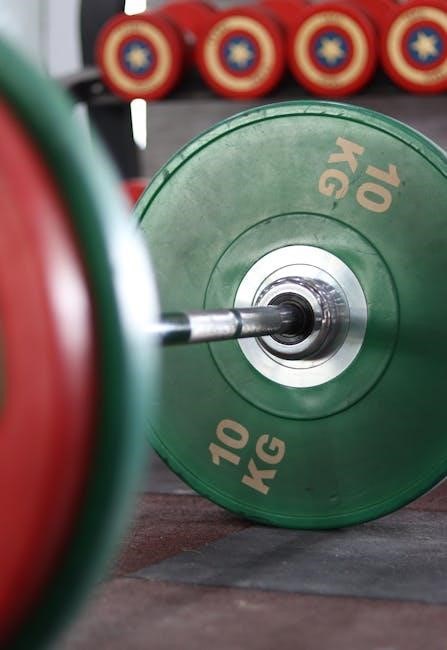
Burn Fat Feed Muscle‚ popularized by Tom Venuto’s eBook‚ offers a strategy for fat loss while preserving lean muscle mass. This approach combines diet and exercise principles.
What is the “Burn Fat Feed Muscle” Philosophy?
The “Burn Fat Feed Muscle” philosophy‚ detailed in Tom Venuto’s eBook‚ centers around achieving simultaneous fat loss and muscle preservation – a goal often considered mutually exclusive. It rejects traditional restrictive dieting‚ which can lead to muscle breakdown‚ and instead advocates for a strategic approach to nutrition and training.
This isn’t about quick fixes; it’s a long-term lifestyle change. The core idea revolves around manipulating macronutrient ratios‚ prioritizing protein intake‚ and utilizing calorie cycling to optimize metabolism. The plan aims to ‘feed’ muscles with adequate protein while creating a calorie deficit to encourage fat burning. It’s a balanced methodology‚ acknowledging the importance of both dietary control and consistent exercise for sustainable results.
The Role of Tom Venuto and the eBook
Tom Venuto‚ a former bodybuilding champion‚ is the creator of the “Burn Fat Feed Muscle” eBook. His personal experience and extensive research led him to develop a system challenging conventional weight loss advice. He observed that many diets failed because they didn’t prioritize muscle preservation during fat loss phases.
The eBook itself is a comprehensive guide detailing the principles of this philosophy. It provides practical strategies‚ including detailed meal plans‚ exercise recommendations‚ and tools for tracking progress. Venuto’s approach emphasizes a scientific understanding of metabolism and nutrition‚ offering a sustainable path to a leaner physique. The eBook has become a popular resource for those seeking a more informed and effective approach to body composition.

Understanding the Core Principles
Burn Fat Feed Muscle centers on strategic macronutrient ratios‚ adequate protein intake‚ and utilizing calorie deficits or cycling to maximize fat loss and muscle retention.
Macronutrient Ratios for Fat Loss and Muscle Gain
Burn Fat Feed Muscle emphasizes a tailored macronutrient approach‚ differing from generic diet plans. Protein intake is paramount‚ typically ranging from 0.8 to 1.0 gram per pound of bodyweight‚ crucial for muscle preservation during calorie restriction. Carbohydrate intake is strategically timed and adjusted based on activity levels‚ often lower during initial fat-burning phases.
Healthy fats are also vital‚ comprising around 20-30% of total calories‚ supporting hormonal function and overall health. The ideal ratio isn’t fixed; it’s personalized based on individual metabolism‚ activity‚ and goals. Careful tracking of these macronutrients‚ utilizing food trackers‚ is essential for optimal results‚ ensuring the body receives the necessary building blocks for muscle maintenance and fat mobilization.
The Importance of Protein Intake
Burn Fat Feed Muscle places significant emphasis on adequate protein consumption‚ recognizing its critical role in preserving lean muscle mass during a calorie deficit. Protein provides the amino acids necessary for muscle repair and growth‚ preventing muscle breakdown when the body is seeking energy from stored fat;
Consuming sufficient protein also increases satiety‚ helping to control hunger and reduce overall calorie intake. Recommended intake typically falls between 0.8 to 1.0 gram of protein per pound of body weight daily. Prioritizing lean protein sources like chicken‚ fish‚ and tofu is key to maximizing benefits while minimizing unnecessary fat intake‚ supporting the core philosophy of the program.
Calorie Deficit vs. Calorie Cycling
Burn Fat Feed Muscle advocates for a strategic approach to calorie intake‚ often incorporating both calorie deficits and calorie cycling. A moderate calorie deficit is essential for initiating fat loss‚ forcing the body to utilize stored fat for energy. However‚ prolonged severe deficits can hinder muscle preservation and negatively impact metabolism.

Calorie cycling involves alternating between days of lower calorie intake and days with slightly higher calorie consumption. This approach can help prevent metabolic adaptation‚ maintain hormonal balance‚ and support continued fat loss while minimizing muscle loss. It’s a nuanced strategy designed to optimize results and enhance long-term adherence.

The 7-Day Meal Plan Breakdown
This plan delivers a week of recipes designed to boost metabolism and burn fat‚ featuring breakfast‚ lunch‚ dinner‚ and snack options focused on high protein intake.
Day 1-3: Initial Fat Burning Phase
The first three days of the plan prioritize initiating fat loss through a carefully calibrated dietary approach. This phase typically involves a moderate calorie deficit‚ strategically implemented to encourage your body to tap into stored fat reserves for energy. Protein intake remains high throughout‚ crucial for safeguarding muscle mass during this period of reduced caloric intake.
Meal plans for these days emphasize lean protein sources like chicken‚ fish‚ or tofu‚ paired with non-starchy vegetables to maximize satiety and nutrient density. Carbohydrate intake is generally lower during this initial phase‚ focusing on complex carbohydrates in smaller portions. The goal is to kickstart the fat-burning process without compromising muscle preservation‚ setting the stage for the subsequent phases of the plan.
Day 4-7: Muscle Preservation & Refeeding
Days four through seven shift the focus towards muscle preservation and initiating a controlled refeeding process. While maintaining a slight calorie deficit‚ carbohydrate intake is strategically increased to replenish glycogen stores and support muscle recovery. This phase aims to prevent metabolic slowdown and optimize hormonal balance‚ crucial for sustained fat loss and muscle maintenance.
Meal plans incorporate more complex carbohydrates like quinoa and sweet potatoes‚ alongside continued emphasis on lean protein. The refeeding aspect helps signal to the body that it’s not in a prolonged starvation state‚ promoting a more favorable metabolic environment. This phase is vital for long-term success and preventing plateaus.
Sample Meal Ideas: Breakfast Options
Breakfast options within the “Burn Fat Feed Muscle” plan prioritize protein to kickstart metabolism and promote satiety. Consider an omelet with spinach and lean turkey‚ providing a substantial protein boost alongside essential nutrients. Greek yogurt with berries and a small handful of nuts offers a quick and convenient option‚ balancing protein with healthy fats and antioxidants.
Another excellent choice is a protein smoothie blended with whey protein‚ fruit‚ and a source of healthy fats like avocado. Oatmeal prepared with water or unsweetened almond milk‚ topped with protein powder and berries‚ is a fiber-rich and satisfying start to the day.
Sample Meal Ideas: Lunch & Dinner Options
Lunch and dinner should continue the focus on lean protein‚ complex carbohydrates‚ and healthy fats. For lunch‚ a large salad with grilled chicken or fish‚ quinoa‚ and a light vinaigrette dressing is a fantastic choice. Alternatively‚ a turkey breast wrap with whole-wheat tortilla‚ vegetables‚ and hummus provides a convenient and balanced meal.
Dinner options include baked salmon with roasted sweet potatoes and steamed broccoli‚ or a lean ground turkey stir-fry with brown rice and mixed vegetables. Prioritize portion control and mindful eating to stay within your calorie goals.

Key Foods to Include
Prioritize lean proteins like chicken and fish‚ complex carbohydrates such as quinoa and sweet potatoes‚ and healthy fats from avocados and olive oil.
Lean Protein Sources (Chicken‚ Fish‚ Tofu)
Central to the “Burn Fat Feed Muscle” philosophy is a high protein intake‚ crucial for muscle preservation during a calorie deficit. Chicken breast is a staple‚ offering substantial protein with minimal fat. Fish‚ particularly salmon and tuna‚ provides protein alongside beneficial omega-3 fatty acids‚ supporting overall health and recovery.
For those preferring plant-based options‚ tofu stands out as a complete protein source‚ versatile in various dishes. These lean proteins aid in satiety‚ reducing cravings and supporting metabolic function. Consuming adequate protein helps maintain muscle mass‚ ensuring that weight loss primarily comes from fat stores‚ rather than valuable muscle tissue. Prioritizing these sources is key to achieving optimal results.
Complex Carbohydrates (Quinoa‚ Sweet Potatoes)
Unlike simple sugars‚ complex carbohydrates provide sustained energy and support muscle glycogen replenishment‚ vital for performance and recovery. Quinoa is a complete protein and a complex carb‚ offering a nutritional powerhouse. Sweet potatoes deliver essential vitamins and fiber alongside carbohydrates‚ promoting digestive health and satiety.
These sources have a lower glycemic index compared to refined carbs‚ leading to more stable blood sugar levels and reduced fat storage. Incorporating complex carbohydrates strategically‚ particularly around workouts‚ optimizes energy levels and supports muscle growth. They are essential for fueling activity and preventing the body from entering a catabolic state.
Healthy Fats (Avocados‚ Nuts‚ Olive Oil)
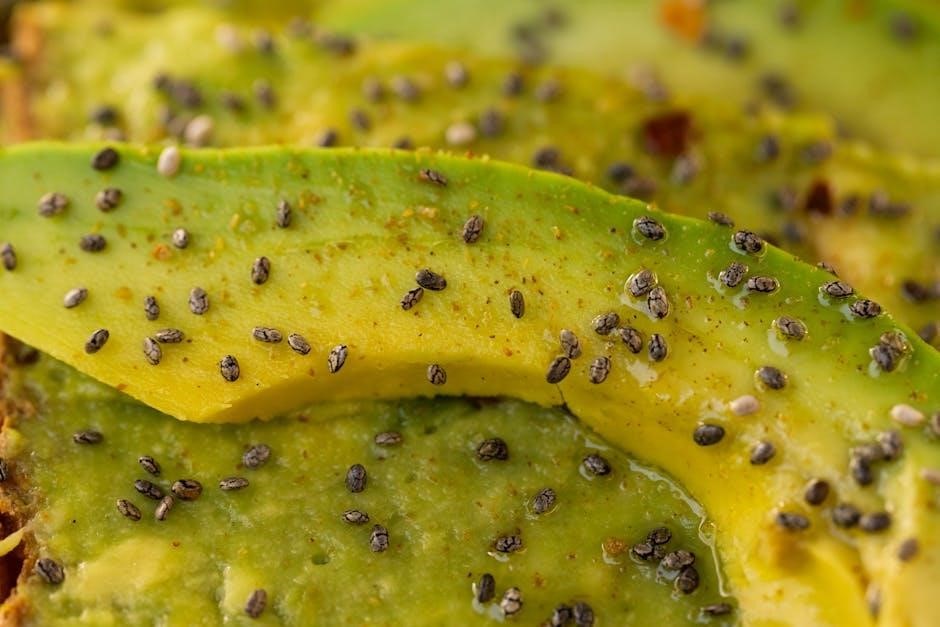
Essential for hormonal balance and overall health‚ healthy fats play a crucial role in the “Burn Fat Feed Muscle” philosophy. Avocados provide monounsaturated fats‚ fiber‚ and vital nutrients‚ promoting satiety and heart health; Nuts‚ like almonds and walnuts‚ offer a blend of healthy fats‚ protein‚ and fiber‚ supporting muscle recovery and energy levels.
Olive oil‚ particularly extra virgin‚ is rich in antioxidants and anti-inflammatory compounds. These fats aid in nutrient absorption and contribute to a feeling of fullness‚ helping to control calorie intake. Prioritizing these sources over saturated and trans fats is key for optimizing body composition and well-being.

Exercise Integration
Combining strength training with cardiovascular exercise is vital. Strength work preserves muscle‚ while cardio boosts calorie expenditure‚ maximizing fat loss results effectively.
Strength Training for Muscle Preservation
Prioritizing strength training is paramount within the “Burn Fat Feed Muscle” philosophy. Resistance exercises‚ utilizing weights or bodyweight‚ signal the body to retain existing muscle mass during a calorie deficit. This is crucial‚ as muscle is metabolically active tissue‚ meaning it burns calories even at rest.
Focus on compound movements – exercises that work multiple muscle groups simultaneously – such as squats‚ deadlifts‚ bench presses‚ and overhead presses. Aim for 2-4 strength training sessions per week‚ incorporating a variety of exercises to target all major muscle groups. Over 850 exercises with 3D animations are available to guide proper form and technique‚ ensuring effectiveness and minimizing injury risk. Maintaining muscle mass not only supports metabolic rate but also contributes to overall strength and physical function.
Cardiovascular Exercise for Calorie Expenditure
Cardiovascular exercise plays a supporting role in the “Burn Fat Feed Muscle” approach‚ primarily focused on creating a calorie deficit. While strength training preserves muscle‚ cardio helps increase overall energy expenditure‚ accelerating fat loss. However‚ excessive cardio can interfere with muscle recovery‚ so moderation is key.
Consider incorporating a mix of low-intensity steady-state (LISS) cardio‚ like brisk walking‚ and High-Intensity Interval Training (HIIT). HIIT‚ involving short bursts of intense activity followed by brief recovery periods‚ is particularly effective for burning calories in a shorter timeframe. Remember to balance cardio with strength training and prioritize adequate nutrition for optimal results. Over 5000 food products with nutrition facts can help track calorie intake.
High-Intensity Interval Training (HIIT)
High-Intensity Interval Training (HIIT) is a powerful tool within the “Burn Fat Feed Muscle” framework‚ offering significant benefits for calorie expenditure and metabolic conditioning. HIIT involves alternating between short periods of intense anaerobic exercise with less intense recovery periods. This method is more time-efficient than steady-state cardio while potentially yielding greater fat-burning results.
Examples include sprinting intervals‚ burpees‚ or cycling bursts. Over 850 exercises with 3D animations can guide proper form. It’s crucial to warm up adequately before HIIT and cool down afterward. While effective‚ HIIT is demanding; listen to your body and adjust intensity as needed to avoid overtraining and support muscle preservation.

The Korean Switch-On Diet Connection
The Korean Switch-On diet‚ by Dr. Park Yong-Woo‚ aligns with “Burn Fat Feed Muscle” by emphasizing intermittent fasting and prioritizing protein intake for fat loss.

Intermittent Fasting and its Benefits
Intermittent fasting (IF)‚ a cornerstone of the Korean Switch-On diet‚ resonates strongly with the “Burn Fat Feed Muscle” philosophy. IF isn’t what you eat‚ but when you eat‚ cycling between periods of eating and voluntary fasting on a regular schedule. This approach can enhance fat burning by extending the period when the body utilizes stored fat for energy.
Benefits extend beyond weight management; IF may improve insulin sensitivity‚ allowing for better nutrient partitioning – directing nutrients towards muscle tissue rather than fat storage. Furthermore‚ it can promote cellular repair processes‚ like autophagy‚ contributing to overall health. When combined with a protein-rich diet‚ as advocated in both approaches‚ IF becomes a powerful tool for preserving muscle mass during a calorie deficit‚ aligning perfectly with the core tenets of the “Burn Fat Feed Muscle” strategy.
Protein Emphasis in the Korean Diet
The Korean Switch-On diet‚ developed by Dr. Park Yong-Woo‚ places significant emphasis on protein intake‚ mirroring a key principle within the “Burn Fat Feed Muscle” framework. This isn’t merely about quantity‚ but prioritizing protein with each meal to maximize satiety and support muscle protein synthesis.
Adequate protein consumption is crucial during calorie restriction to prevent muscle loss‚ a common concern when dieting. The Korean approach‚ like Venuto’s‚ recognizes that preserving lean muscle mass is vital for maintaining a healthy metabolism and achieving long-term fat loss success. Focusing on lean protein sources – such as fish‚ chicken‚ and tofu – ensures optimal amino acid availability for muscle repair and growth‚ solidifying the synergy between these dietary strategies.
Tools and Resources
Effective tools include food trackers with extensive databases (over 5000 food products) and exercise databases featuring 3D animations of over 850 exercises.
Food Trackers and Calorie Counters
Utilizing food trackers is crucial for success with the Burn Fat Feed Muscle philosophy. These digital tools allow for meticulous monitoring of daily caloric intake and macronutrient ratios‚ essential for achieving a calorie deficit or strategically cycling calories.
Many applications boast extensive databases‚ containing nutritional information for over 5000 food products‚ simplifying the process of logging meals accurately. Features like barcode scanners expedite data entry‚ while built-in calorie counters provide real-time feedback on progress.
Consistent tracking fosters awareness of eating habits‚ identifying areas for improvement and ensuring adherence to the prescribed dietary guidelines. Accurate data empowers informed decisions‚ maximizing fat loss and muscle preservation efforts.
Exercise Databases (3D Animations)
Complementing the dietary plan‚ access to comprehensive exercise databases is vital for implementing the Burn Fat Feed Muscle program effectively. Resources offering over 850 exercises‚ presented with high-quality 3D animations‚ ensure proper form and technique.
Visual demonstrations minimize the risk of injury and maximize muscle activation during strength training sessions. These databases often categorize exercises by muscle group‚ simplifying workout creation tailored to individual goals.
Having a diverse range of exercises prevents plateaus and maintains engagement. Correct form‚ guided by 3D animations‚ is paramount for preserving muscle mass while in a calorie deficit‚ a cornerstone of the program’s success.
Potential Challenges and Solutions
Navigating the Burn Fat Feed Muscle plan may involve plateaus or consistency issues; solutions include adjusting calorie intake and prioritizing motivation techniques.
Plateaus and How to Overcome Them
Hitting a weight loss plateau is a common frustration when following the Burn Fat Feed Muscle approach. Initially‚ rapid progress is typical‚ but the body adapts‚ slowing metabolism and hindering further fat loss. To overcome this‚ strategic adjustments are crucial. First‚ reassess your calorie intake; even slight reductions can reignite progress.
Consider implementing calorie cycling‚ alternating between higher and lower calorie days. Secondly‚ modify your macronutrient ratios‚ potentially increasing protein intake to further support muscle preservation and boost thermogenesis. Varying your exercise routine is also vital; introduce new strength training exercises or increase intensity. Finally‚ ensure adequate sleep and manage stress‚ as both significantly impact hormonal balance and fat loss.
Maintaining Consistency and Motivation
Sustaining long-term success with Burn Fat Feed Muscle hinges on consistency and motivation. Set realistic goals and track your progress – utilizing food trackers and exercise databases can be incredibly helpful. Celebrate small victories to reinforce positive behaviors and maintain momentum.
Find an accountability partner or join a supportive community to share experiences and stay motivated. Prepare meals in advance to avoid impulsive unhealthy choices. Remember your “why” – the underlying reasons driving your health journey. Don’t view setbacks as failures‚ but as learning opportunities. Prioritize self-care and remember that consistency‚ not perfection‚ is key.