Immediate Post-Operative Care (First 24-48 Hours)
Following surgery, expect swelling, bruising, and discomfort—common responses to the procedure․ Prioritize rest and adhere strictly to provided post-operative instructions for optimal healing․
Pain Management
Managing discomfort is crucial during the initial recovery phase․ Your dentist will likely prescribe pain medication; take it precisely as directed, even if you feel minimal pain, to proactively control inflammation and ensure comfort․
Over-the-counter pain relievers, such as ibuprofen or acetaminophen, may also be recommended or used in conjunction with prescription medication, but always consult your dentist first․ Applying ice packs to the outside of your cheek in 20-minute intervals (20 minutes on, 20 minutes off) can significantly reduce swelling and alleviate pain․
Avoid strenuous activity, as it can increase blood flow and exacerbate discomfort․ Remember, effective pain management contributes to a smoother and more comfortable healing process, allowing you to focus on following all other post-operative instructions diligently․ Contact your dentist if pain persists or worsens despite medication․
Swelling and Bruising
Post-operative swelling and bruising are normal occurrences following dental implant surgery․ Expect some degree of facial swelling and discoloration, peaking around 48-72 hours after the procedure․ This is a natural part of the healing process as your body responds to the surgical intervention․
To minimize swelling, consistently apply ice packs to the affected area for the first 24-48 hours, using 20-minute on/off intervals․ Elevating your head with extra pillows while resting can also help reduce fluid buildup․ Bruising may appear around the surgical site and is generally harmless, resolving within one to two weeks․
Avoid strenuous activities that could increase blood flow to the head and worsen swelling․ If swelling or bruising seems excessive or persists beyond the expected timeframe, contact your dental professional for evaluation and guidance․
Bleeding Control

Some minor bleeding is expected in the first 24-48 hours after dental implant surgery․ To control bleeding, firmly bite down on the gauze pads provided by your surgeon for at least 30-60 minutes at a time, replacing them as needed․ Avoid disturbing the surgical site by spitting, rinsing vigorously, or using straws․
A small amount of pink-tinged saliva is normal during this period․ If excessive bleeding occurs, apply continuous pressure to the area with fresh gauze for an extended period․ Avoid hot liquids and strenuous activity, as these can increase blood flow․
If bleeding persists or is uncontrollable, contact your oral surgeon immediately․ It’s crucial to follow their specific instructions regarding bleeding management to ensure proper healing and prevent complications․
Dietary Restrictions ⎻ Soft Foods
Following dental implant surgery, a soft food diet is essential for the initial healing phase․ For the first 24-48 hours, consume liquids like broth, smoothies (without seeds), and yogurt․ Gradually introduce soft foods such as mashed potatoes, applesauce, scrambled eggs, and well-cooked pasta․
Avoid hard, crunchy, chewy, or spicy foods that could irritate the surgical site or damage the implant․ Do not consume foods requiring significant chewing effort․ Ensure all foods are lukewarm or cool in temperature to avoid disrupting the healing process․
Stay hydrated by drinking plenty of water․ As healing progresses, you can slowly reintroduce more solid foods, following your surgeon’s guidance․
Short-Term Healing (First Week)
Consistent medication adherence, including antibiotics and pain relievers, is crucial during the first week․ Gentle oral hygiene and avoiding strenuous activity promote optimal recovery․
Medication Adherence ⎻ Antibiotics & Pain Relievers
Following your dentist’s instructions regarding medication is paramount to a successful recovery․ Antibiotics are prescribed to prevent infection, and completing the entire course, even if you feel better, is essential․ Skipping doses can lead to complications and compromise the implant’s integration․
Pain relievers will manage discomfort during the initial healing phase․ Take them as directed, and do not exceed the recommended dosage․ If pain persists despite medication, contact your oral surgeon․ Be sure to inform your dentist of any allergies or other medications you are taking to avoid potential interactions․
Understanding the purpose of each medication and adhering to the prescribed schedule significantly contributes to a smooth and complication-free healing process․ Consistent medication management is a cornerstone of post-operative care․
Oral Hygiene ⎻ Gentle Rinsing
Maintaining oral hygiene is crucial, but requires a gentle approach in the initial healing stages․ Avoid vigorous rinsing or spitting for the first 24-48 hours, as this can disrupt blood clot formation and potentially lead to a dry socket․
After 24 hours, begin gentle rinsing with a warm saltwater solution (1/2 teaspoon salt in 8 ounces of water) after meals and before bedtime․ This helps keep the surgical site clean and promotes healing․ Avoid commercial mouthwashes containing alcohol, as they can irritate the area․
Brush your teeth carefully, avoiding direct contact with the implant site․ Continue this gentle rinsing routine as directed by your dentist․ Proper, yet delicate, oral hygiene is vital for preventing infection and ensuring optimal implant integration․
Activity Restrictions ⎻ Avoiding Strenuous Exercise
Following dental implant surgery, it’s essential to limit physical activity for the first few days to promote proper healing․ Avoid strenuous exercise, heavy lifting, and vigorous movements that could increase blood pressure and potentially disrupt the surgical site․
Increased blood flow to the head can cause bleeding or swelling․ Rest is paramount during this initial phase․ Light walking is generally permissible and even encouraged to promote circulation, but avoid anything that causes undue exertion․
Listen to your body and gradually increase activity levels as you feel comfortable, always consulting with your dentist before resuming your normal exercise routine․ Prioritizing rest and adhering to activity restrictions will significantly contribute to a smoother and more successful recovery process․
Intermediate Healing (Weeks 2-8)
Continue diligent oral hygiene and gradually expand your diet․ Regular check-ups monitor healing, ensuring the implant integrates successfully with your jawbone over time․
Gradual Dietary Progression
Initially, stick to soft foods like yogurt, applesauce, and mashed potatoes․ As healing progresses, slowly introduce slightly more textured options․ Avoid chewing directly on the implant site during this phase․
Over weeks 2-8, you can gradually reintroduce foods with a bit more substance, such as pasta, soft-cooked vegetables, and tender meats․ However, continue to avoid hard, crunchy, or sticky foods that could potentially damage the implant or surrounding tissues․
Listen to your body and don’t rush the process․ If a food causes discomfort, revert to softer options for a few more days․ Maintaining adequate nutrition is vital for healing, so prioritize easily digestible, nutrient-rich meals․ Proper dietary progression supports optimal implant integration and long-term success․
Continued Oral Hygiene ⎻ Soft Brushing
Gentle oral hygiene is paramount during weeks 2-8, but modify your technique․ Use an ultra-soft bristled toothbrush and brush carefully around the implant site, avoiding direct pressure․ Non-abrasive toothpaste is crucial to prevent irritation․
Focus on cleaning the surrounding teeth and gums, ensuring no food particles accumulate near the implant․ Avoid vigorous brushing or flossing directly on the implant until cleared by your dentist․ Continue rinsing with a gentle mouthwash as recommended․
Maintaining impeccable hygiene minimizes the risk of infection and promotes healthy tissue integration․ Daily oral hygiene should remain a priority throughout the entire healing process and beyond, ensuring the longevity of your dental implant․
Wound Check-Ups & Monitoring
Regular follow-up appointments are essential for successful implant integration․ Your dentist will schedule check-ups during the intermediate healing phase (weeks 2-8) to monitor the surgical site and assess tissue response․
These appointments allow for early detection of any potential complications, such as infection or improper healing․ The dentist will examine the gums, check the implant’s stability, and potentially take X-rays to evaluate bone integration․
It’s crucial to attend all scheduled appointments and openly communicate any concerns or unusual sensations you experience․ Consistent monitoring ensures the implant is healing correctly and allows for timely intervention if needed, maximizing the chances of a long-lasting, functional restoration․
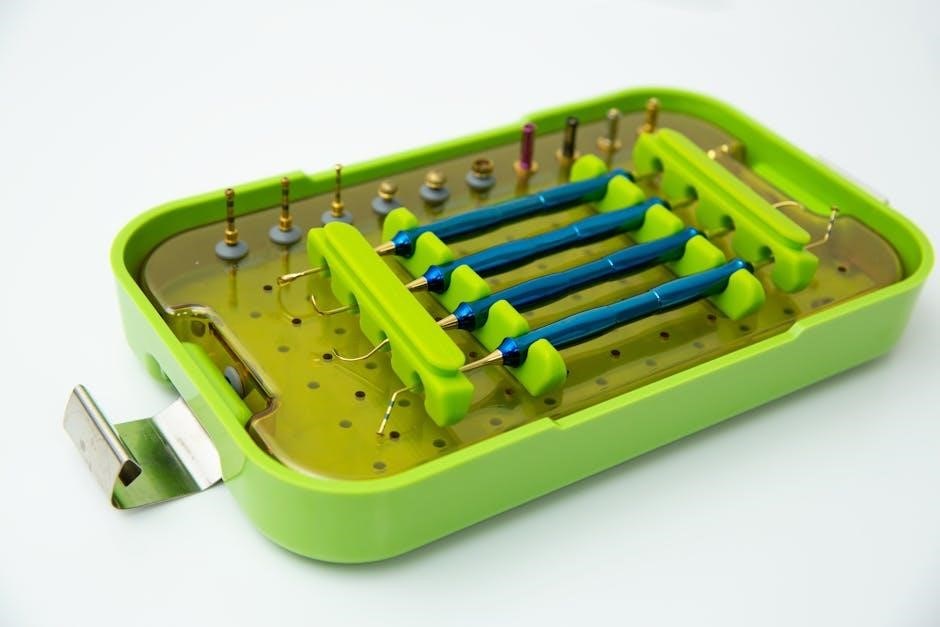
Long-Term Implant Maintenance
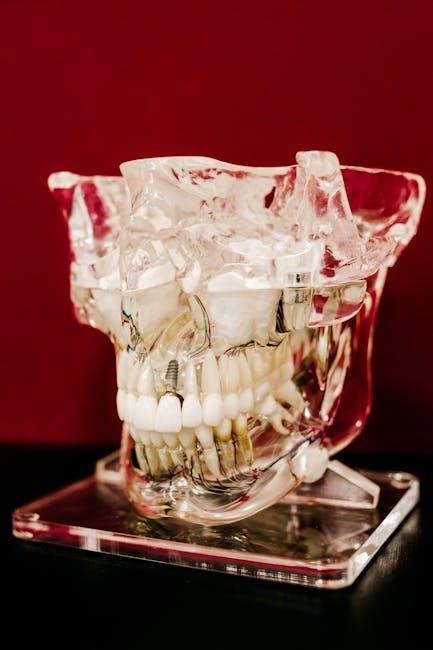
Maintaining dental implants requires a lifelong commitment to excellent oral hygiene and regular dental visits․ Consistent care ensures lasting functionality and prevents potential issues․
Regular Dental Check-ups & Professional Cleanings
Consistent professional dental care is paramount for the longevity of your dental implant․ Schedule regular check-ups, typically every six months, although your dentist may recommend a different frequency based on your individual needs and oral health․ These appointments allow for a thorough evaluation of the implant, surrounding gums, and supporting bone structure․
During these visits, your dentist or hygienist will perform a professional cleaning to remove plaque and tartar buildup, which can contribute to peri-implantitis – an inflammation around the implant․ Early detection and treatment of peri-implantitis are crucial to prevent implant failure․ The dental team will also assess your bite to ensure proper distribution of forces and identify any potential issues․
Don’t hesitate to discuss any concerns or changes you’ve noticed with your dental professional․ Proactive monitoring and intervention are key to maintaining a healthy and functional dental implant for years to come, safeguarding your investment in a beautiful and confident smile․
Proper Brushing Technique ⎻ Soft Bristled Toothbrush
Maintaining impeccable oral hygiene starts with the right tools and technique․ Always use a soft-bristled toothbrush to avoid scratching the implant surface or irritating the surrounding gums․ Employ gentle, circular motions, focusing on the gumline where plaque tends to accumulate․ Avoid aggressive scrubbing, which can damage tissues and potentially compromise the implant’s stability․
Brush at least twice daily, ensuring you clean all surfaces of each tooth and around the implant restoration․ Pay particular attention to the areas where the implant meets the natural teeth․ Non-abrasive toothpaste is essential; avoid whitening or abrasive formulas that could harm the implant material․
Spend adequate time brushing – at least two minutes each session – to effectively remove plaque and food particles․ Regular, gentle brushing, combined with professional cleanings, is the cornerstone of long-term implant health and a vibrant smile․
Flossing Around Implants
Flossing is crucial for removing plaque and debris from areas a toothbrush can’t reach, especially around dental implants․ Use floss carefully to avoid damaging the delicate gum tissues․ Traditional floss works, but interdental brushes or floss threaders can be particularly effective for cleaning around implants․
Gently guide the floss along the implant’s surface and under the gumline, using a sawing motion․ Avoid snapping the floss, which can injure the gums․ Focus on cleaning the spaces between the implant and adjacent teeth, as these areas are prone to plaque buildup․
Daily flossing is essential for preventing peri-implantitis, an inflammation around the implant that can lead to bone loss․ If you find flossing difficult, ask your dentist or hygienist for a demonstration of proper technique and alternative cleaning aids․ Consistent flossing ensures long-term implant health․
Avoiding Hard & Sticky Foods
Protect your new implant by carefully managing your diet during the healing process․ Initially, avoid hard foods like nuts, ice, and crunchy vegetables that could place excessive stress on the implant site․ Sticky foods, such as caramel or chewing gum, should also be avoided as they can become lodged around the implant and are difficult to remove․
These types of foods can potentially dislodge sutures or compromise the healing process․ Focus on soft foods – yogurt, mashed potatoes, smoothies, and well-cooked pasta – that require minimal chewing effort․ As healing progresses, you can gradually reintroduce firmer foods․
Always cut food into smaller pieces and chew carefully on the opposite side of the mouth from the implant․ Following these dietary guidelines will promote optimal healing and ensure the long-term success of your dental implant․
Nightguard Use (If Recommended)
Your dentist may recommend a nightguard, particularly if you have a history of teeth grinding (bruxism) or clenching․ This custom-fitted appliance is worn while you sleep to protect your dental implant from excessive forces that can compromise its stability and longevity․
Bruxism can create significant stress on the implant and surrounding bone, potentially leading to complications like implant loosening or fracture․ A nightguard acts as a cushion, distributing the forces evenly and preventing direct impact on the implant․
Consistent nightguard use, as directed by your dentist, is crucial for preserving the integrity of your implant․ It’s important to clean the nightguard regularly and bring it to your dental appointments for evaluation and adjustments․
Smoking Cessation & Alcohol Limitation
To ensure successful implant integration, complete smoking cessation is strongly advised, ideally before surgery and absolutely during the healing process․ Smoking significantly impairs blood flow, hindering the bone’s ability to fuse with the implant – a process called osseointegration․ This delay increases the risk of implant failure․
Alcohol consumption should also be limited in the immediate post-operative period․ Alcohol can interfere with medication effectiveness, potentially increasing bleeding and hindering the healing process․ It can also negatively impact your immune system, making you more susceptible to infection․
Prioritizing a healthy lifestyle, free from tobacco and excessive alcohol, dramatically improves your chances of long-term implant success and overall oral health․ Discuss cessation resources with your dentist if you require assistance․
Recognizing & Reporting Potential Complications
Promptly reporting any concerns is crucial for successful implant recovery․ Be vigilant for signs of infection, including increased pain, swelling, redness, or pus around the implant site․ A fever is also a concerning symptom requiring immediate attention․
Implant loosening, though rare, can manifest as wobbliness or instability when chewing․ Persistent, unexplained pain that doesn’t subside with prescribed medication warrants a call to your oral surgeon․
Don’t hesitate to contact your dental team if you experience any unusual symptoms or have any doubts about your healing process․ Early detection and intervention can prevent minor issues from escalating into more serious complications, safeguarding your investment and oral health․
Infection Signs
Recognizing infection early is paramount for successful dental implant recovery․ Be acutely aware of any increased pain at the surgical site, escalating beyond what was initially expected․ Noticeable swelling, redness, or warmth around the implant area are also key indicators․
The presence of pus emanating from the surgical site is a definitive sign of infection and requires immediate attention․ A fever, even a low-grade one, coupled with these symptoms, should not be ignored․
Contact your oral surgeon immediately if you suspect an infection․ Delaying treatment can lead to implant failure and further complications․ Prompt intervention with antibiotics or other necessary procedures is crucial to restore your oral health and protect your investment․
Implant Loosening
Implant loosening is a serious concern, though relatively uncommon with proper care and osseointegration․ Any sensation of movement or instability in the implant, even slight, warrants immediate investigation by your oral surgeon․ This feeling differs from initial post-operative sensitivity․
Changes in the bite, where teeth no longer meet comfortably, can indicate potential implant issues, including loosening․ Difficulty chewing or a noticeable gap when biting down should be reported promptly․
Regular dental check-ups are vital for monitoring implant stability․ Your dentist will assess the implant’s integration and identify any early signs of loosening․ Do not attempt to self-diagnose or adjust the implant; professional evaluation is essential to prevent further complications and ensure long-term success․
Persistent Pain
While some discomfort is expected after dental implant surgery, persistent or worsening pain beyond the initial post-operative period is a cause for concern․ Mild pain typically subsides within a week with prescribed pain medication, but ongoing, sharp, or throbbing pain requires attention․
Pain accompanied by swelling, redness, or fever could indicate an infection, demanding immediate medical intervention․ Don’t simply increase your pain medication dosage; seek professional evaluation to determine the underlying cause․
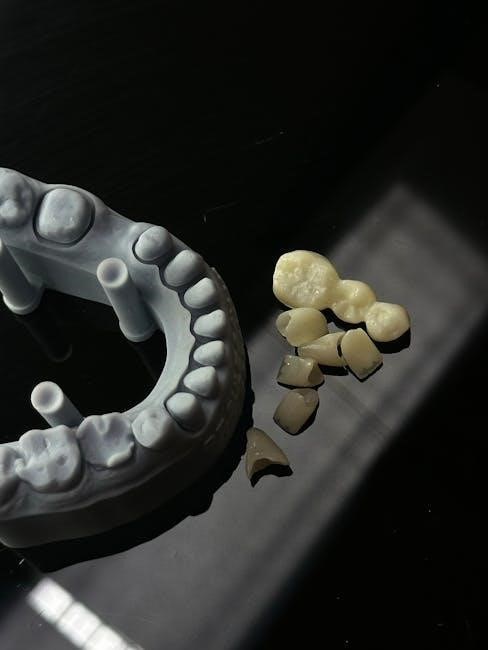
Report any pain that interferes with daily activities, such as eating or sleeping, to your oral surgeon․ Ignoring persistent pain can lead to more serious complications and potentially jeopardize the implant’s success․ Prompt diagnosis and treatment are crucial for a positive outcome․
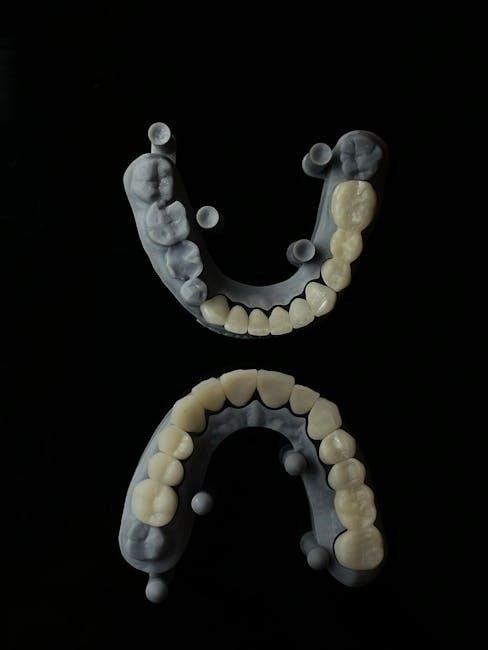
Potential Complications & When to Seek Help
Although dental implant surgery boasts a high success rate, potential complications can arise․ Being aware of these and knowing when to seek professional help is vital for optimal healing and long-term implant function․ Early detection and intervention can prevent minor issues from escalating into significant problems․
Common complications include infection, implant loosening, and persistent pain․ Signs of infection may manifest as increased swelling, redness, pus, fever, or a foul taste in your mouth․ Implant loosening can cause instability when chewing or speaking․
Don’t hesitate to contact your oral surgeon if you experience any unusual symptoms or have concerns․ Prompt attention to potential complications significantly increases the likelihood of a successful outcome and preserves your investment in a healthy, functional smile․